Magnets in the Workshop

I realized I have a lot of magnets around the workshop. They can be used for so many things.


These trays are invaluable for keeping screws, nuts, bolts, and washers from rolling all over my work area. Harbor Freight has a coupon making them a free item. I use them at my hobby desk too.

img_0487

The rubber base is also magnetic.

img_0502.jpg

Another Harbor Freight freebie are these tool holders. I’m using 4 on my pegboards instead of creating custom tool holders for this stuff.

53695628049__9799dd4f-d2bc-4442-a910-ab35c8f66781.jpg

53695627590__a7216900-a2ee-4539-a9c3-2552aea43ca6.jpg

There is another on my drill press cart for the chuck key, set screw allen wrenches, tape measure, and clamp.

img_0507.jpg

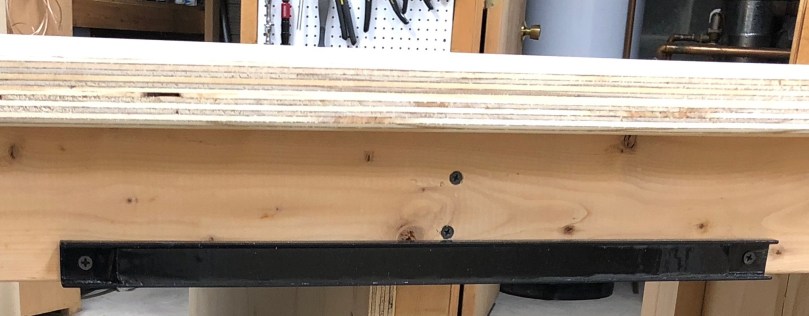
I also put one on each side of a workbench I just finished building. I’ll post about that workbench later this week after a final accessory arrives.
IMG_0494.jpeg

The final freebie from Harbor Freight are these LED lights. I’ve used them many times already.

img_0504.jpg

I picked up this digital angle gauge on AliExpress for about $15, which is half the price I’ve seen anywhere else. With the floor of my shop being so uneven, the table tops of my tools are never level. I use this gauge to set a zero reference on the table top and then make sure my saw blades or drill press bit are square or set to any specific angle I want. Here it is on my miter saw.

I received these rare Earth magnets for Christmas. They come in a variety of sizes so I included my iPhone charge cable for reference. You can place these magnets in the corners of a custom box to hold the top closed or use them in many different ways in projects you might build. So far I’ve only used them to help organize things around the shop.

img_0506.jpg

I stuck one inside the clip of the tape measure on the drill press tool holder shown above so it has a stronger attraction.

img_0509

I also glued one to the back of this small tape measure so I could keep it to my table saw fence.

It’s always handy to have a tape measure within reach around the shop!

img_0510.jpg

My Dad gave me his Dad’s old scroll saw. The lock key was missing so I hacked together my own out of a piece of metal, a piece of rubber, and some electrical tape.

img_0514.jpg

Since it doesn’t snap in the switch like the normal key, I added a magnet to the back and stick it to the saw when it’s not being used. After I get my 3D printer I’ll create a proper key that snaps in the switch and won’t fall out.

img_0515.jpg

I also have a random assortment of other magnets in case I need them.

img_0512.jpg

Do you use magnets for anything creative?


Clamp Replacements at Harbor Freight

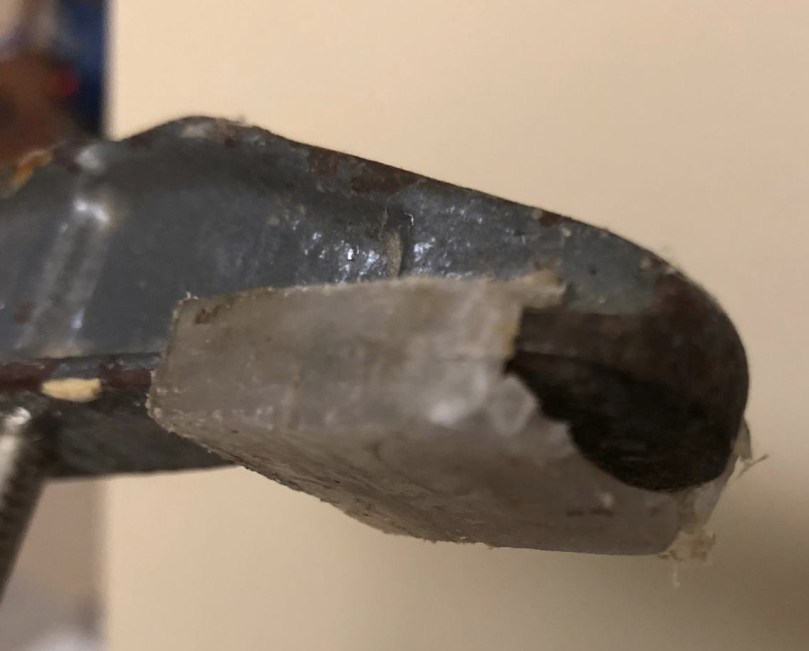
In the post about my DIY clamp storage racks last week I mentioned getting most of my clamps at estate sales. I put together a solid collection that way, with most of the clamps being really old. There was a Pittsburgh sticker and a Harbor Freight price tag on one of the clamps. Knowing they have a lifetime warranty on this stuff, I went in to Harbor Freight with 2 of the clamps which had beat up pads like this…

broken-clamp-pad

The sales associate said, “Yep, we’ll replace them. There doesn’t even need to be anything wrong with them.”

“Really?” I asked. “I have a bunch of these old clamps.”

“Yeah, bring them in and get new ones.”

I rushed home and grabbed the rest of the old clamps.

old-pittsburgh-clamps.jpeg

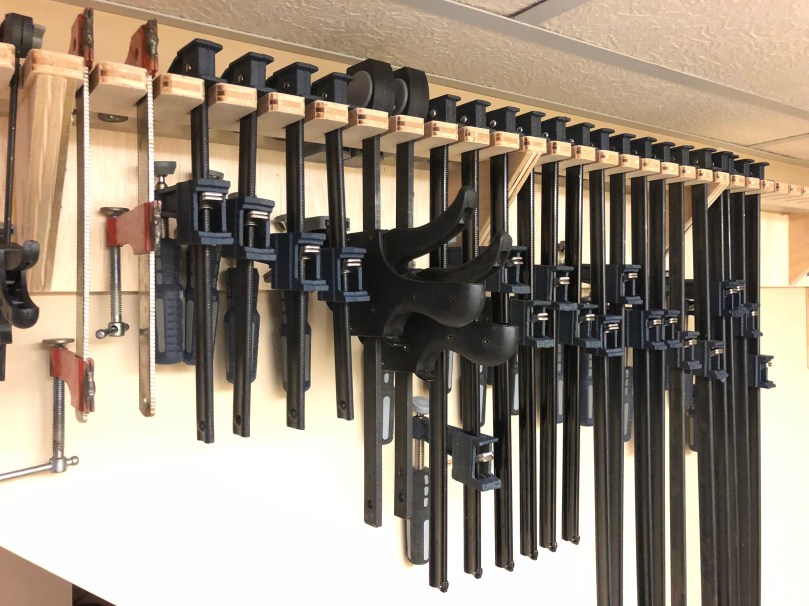
In total I had 4 each of the 6″, 12″, and 24″ old clamps. Now everything matches the others I had purchased new from the store.

all-new-clamps.jpeg

Harbor Freight gets a bad rap because their products can be pretty cheap (in price and quality). According to reviews you have to be careful with some of their tools, but these clamps are one of the most recommended products in the store. The almost identical clamps cost 3-4 times as much at Home Depot.

logo_hft.png

I like it when a company stands by their products and policies. I haven’t tried it yet, but I’ve heard that Sears does the same type of replacement on Craftsman hand tools.

Upgrading a Used Table Saw – Part 3

Following up on part 2 of upgrading the used Craftsman table saw (model 113.298032).

I found a couple of push blocks for $1/each at an estate sale. These will probably come in handy more for a router table when I build one and if I ever get a jointer.

After organizing all of my hand tools, I had floor space back and was able to spend some time building this weekend. I made a cross-cut sled, following most of the instructions from a build by The Wood Whisperer.

table-saw-cross-cut-sled.jpeg

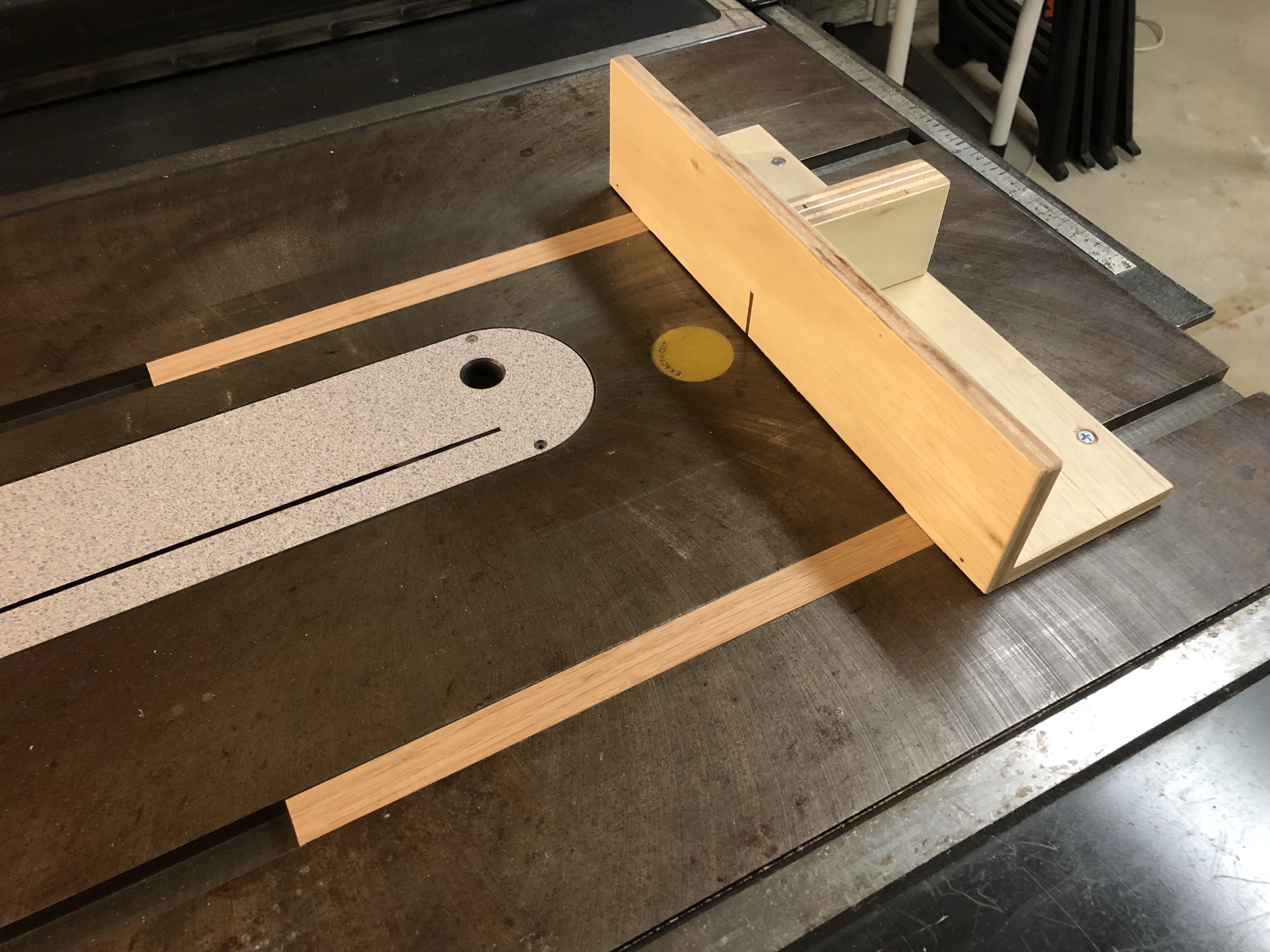
Since I had extra pieces of the oak runners already cut to size I made a mini sled too.

The sleds will make it easier and safer to use the saw. I already used the large sled to cut the pieces for the mini sled and then during the mini build I used it to cut the block that covers the blade when it goes through the back. Really handy accessories!

I gave a good coat of paste finishing wax to the table saw surface, miter slots, fence, rails, and the bottom of both sleds. Everything slides really well now.

I didn’t like how sketchy it was cutting the long thin runners, so I moved this push stick up in priority on my project list so I’ll have it the next time I need it. Figured I might as well make two because they’ll get chewed up over time.

Made some adjustments to the side storage to put the push sticks in each reach at the front.

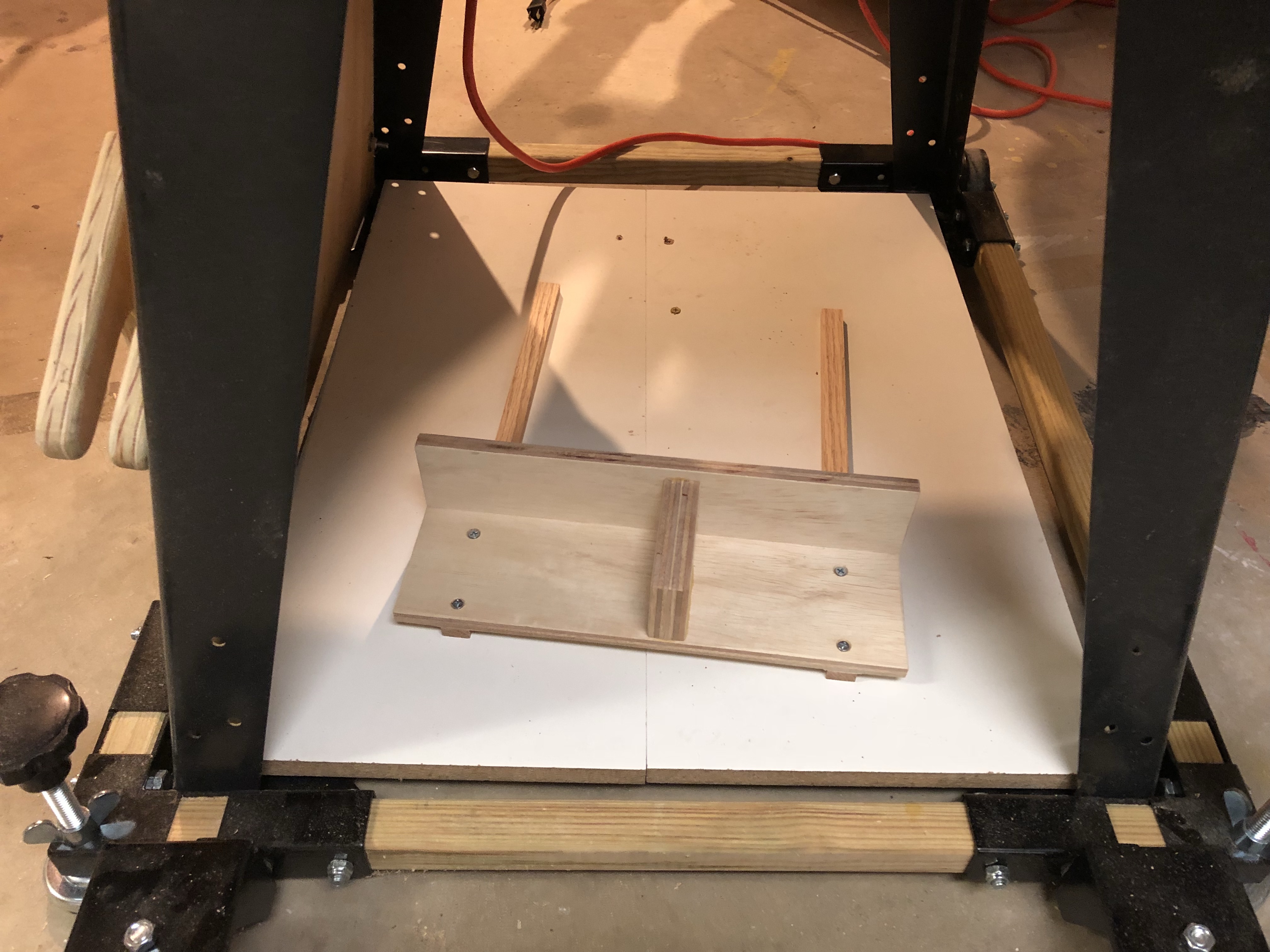
Added a platform underneath and felt dumb pretty dumb doing it. At first I cut a sized piece before realizing there is no way to get it in there without removing the saw from the rolling base, which I definitely was not going to do. I ended up ripping the piece in half and screwing in a couple of supports down the middle to connect the two sides. I may store my circular and jig saws here too.

More Hand Tools

Last night I completed a huge task in my new basement workshop by doing a first pass at organizing all of my hand tools. My toolbox (so to speak) has expanded a lot in the last few months. For reference, I posted the photo below in May of 2015 when I setup a tool bench in the garage.

2015-tool-bench.jpg

Fast forward 2 years to May of this year, when I added more pegboard.

expanded-tools-garage.jpg

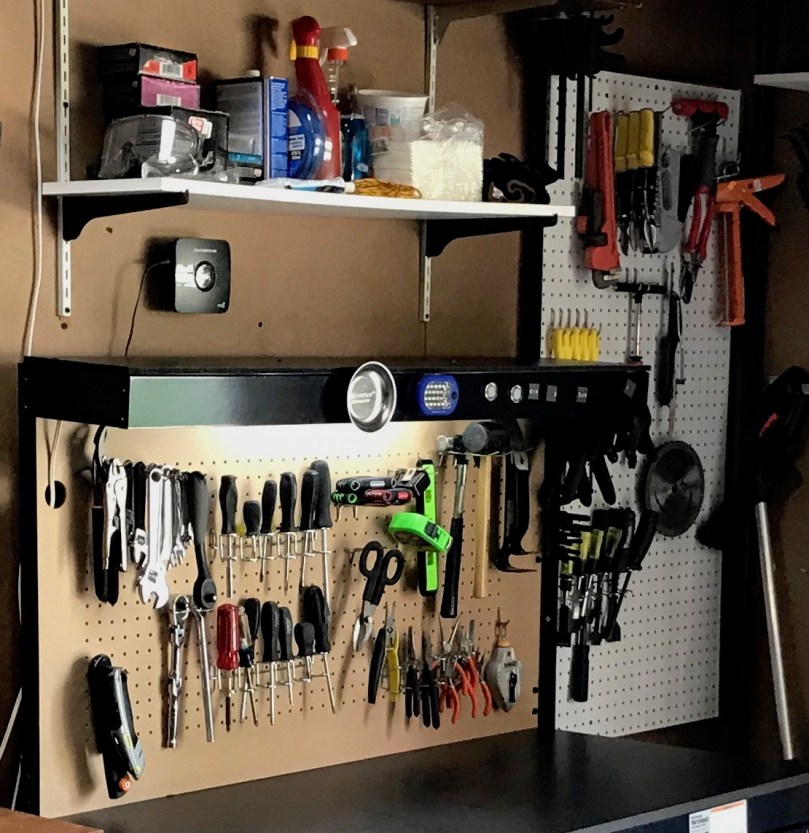
I’ve been acquiring a lot from garage and estate sales in the last few months. When I transplanted everything to the basement it was the perfect time to organize everything. Here is what I ended up with last night.

tools-basement.jpg

The lighting really is terrible down there. I think I’m going to take out the drop ceiling to give me more space and put in LED lighting. Anyway, as you can see my pegboard area more than doubled!

I kept thinking about two things as I was figuring out where to put everything. First, I wanted like things grouped together. Measuring tools like squares, levels, and tape measures are all together. Cutting tools like saws, knifes, tin snips, and scissors got grouped. You get the idea. The second thing was what Adam Savage refers to as first order of retrievability; almost every hand tool can be accessed without having to move something else.

I can’t even begin to explain how satisfying this process was. I’m not married to the result though. As I use the workshop I’ll see if it makes sense to move things around and iterate.

Homier Distributing Company BDM 5 Drill Press Restoration

My Dad gave me an old drill press that was sitting unused in his garage. Homier Distributing Company (HDC) made this BDM 5 model back in 1991. Over the years the machine accumulated a lot of rust, so I wanted to give it some new life.

It was a fun project and I really love how it turned out. It looks like a brand new tool.

I recorded a lot of video while working on this and tried to trim down to the important parts so I could explain the process I used.

If you have any questions or anything here helps you with a project of your own, leave a comment to let me know.


Eagle No. 66 Oil Can

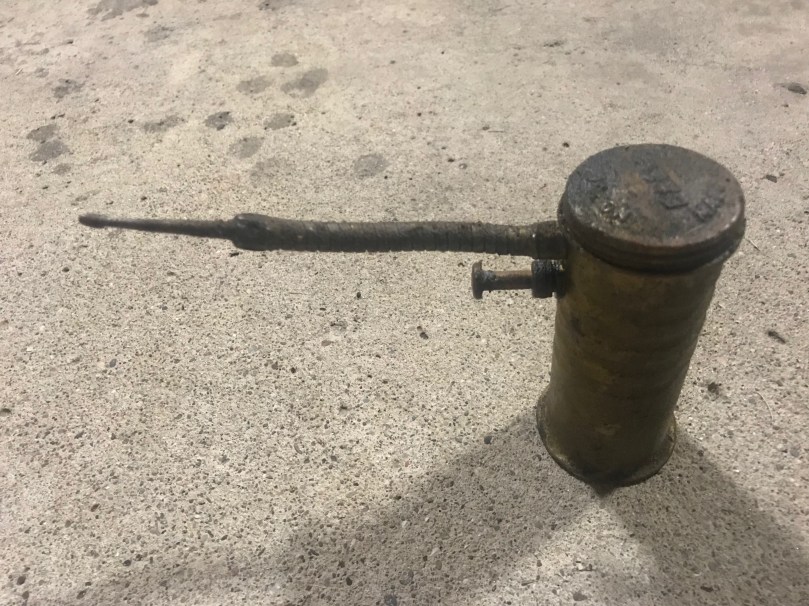
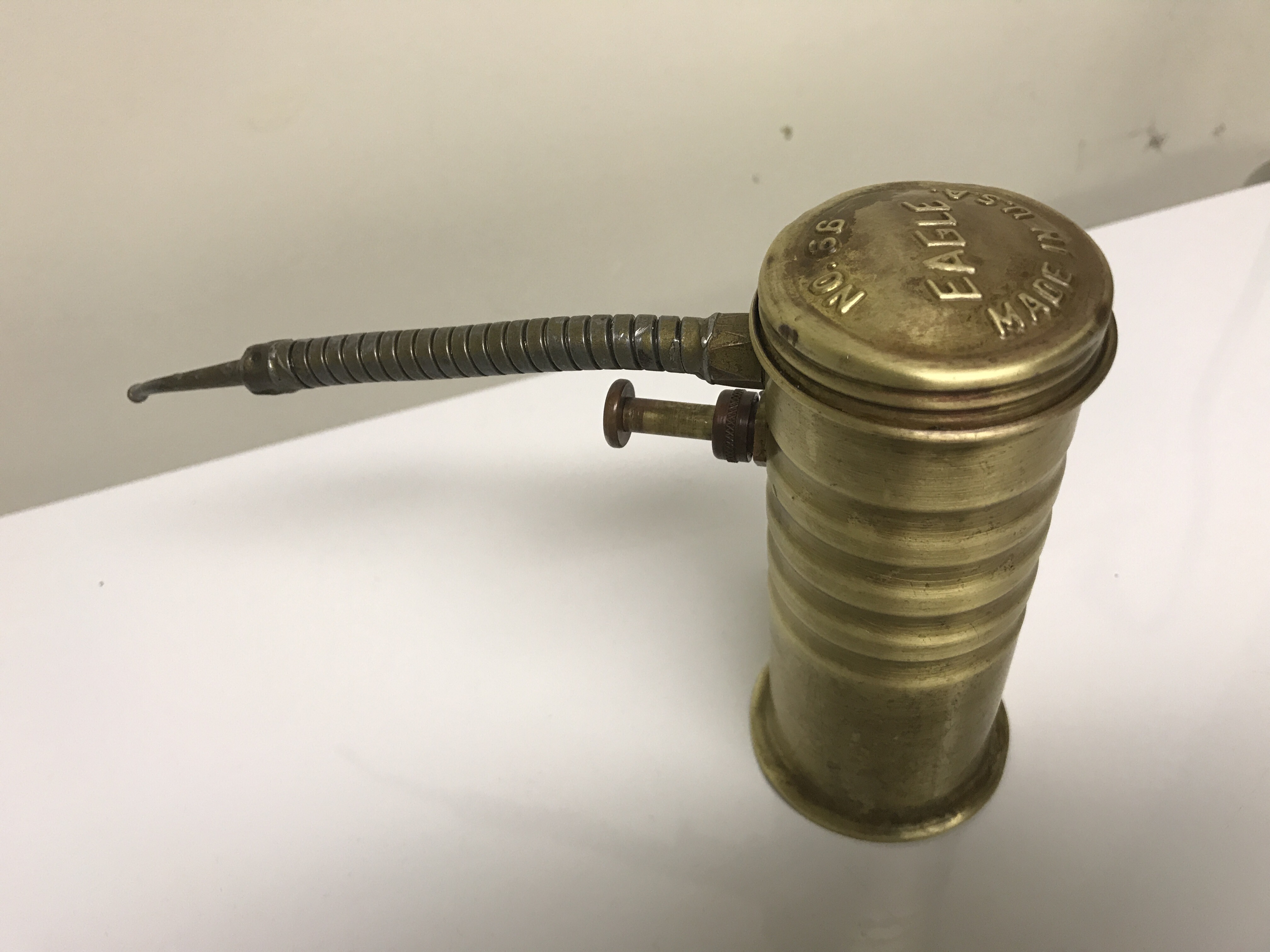
I got this oil can from my Dad when he gave me his old drill press.

eagle-66-side

It reminded me of so many things I’ve seen on American Pickers. I started cleaning it up and then was able to read the top. It’s an old Eagle 66 oil can and pretty collectible. They sell for anywhere from $25 to $50 or more on eBay.

As I was taking it apart, small parts were falling out. Uh oh! Thankfully I found a photo showing how everything goes together (source). After cleaning all of the parts, I grabbed a Scotch-Brite pad to give it a little more scrubbing. Bad idea on brass! It would have looked really stupid to stop since I had rubbed a pretty good area, so I ran with it and used the pad all over. There is still some patina left, but it would have looked much better without the mistake. I finished the main body, cap, and spout arm with 2 coats of Rust-Oleum Rust Inhibitor and filled it with cutting fluid to be used when drilling into metal.


I love this piece. Bringing something back from the grave is rewarding and fun.

Upgrading a Used Table Saw – Part 2

I’ve done a lot more to my used Craftsman table saw (model 113.298032) since the upgrades in part 1 of this series.

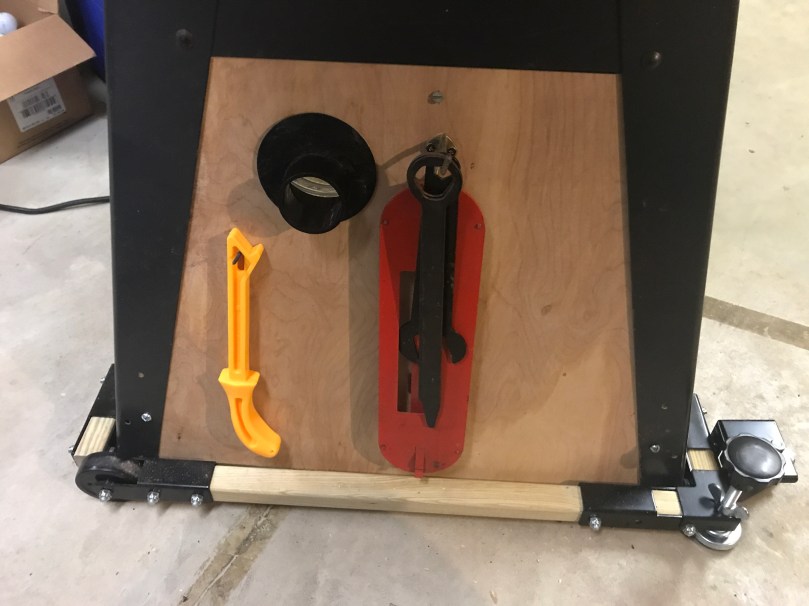
To go along with building my dust separator, I needed a way to connect it to the table saw. I used a dust hood ($8), 4″ hose ($20, with plenty extra for future uses), hose clamps (2x $1.29), 4 in.- 2 1/4 in. adapter ($1.78), and some scrap wood.

While I was grabbing parts from Menard’s I grabbed a push stick (yellow-orange in picture below) for $2. Eventually I’ll make one or two other versions on my own to use with different cuts or sizes of wood. Since I had to add the insert on a side for the dust hose, I add some places to hook stuff. I’ll probably add something similar to the other side of the stand and maybe put in a bottom for more storage space.

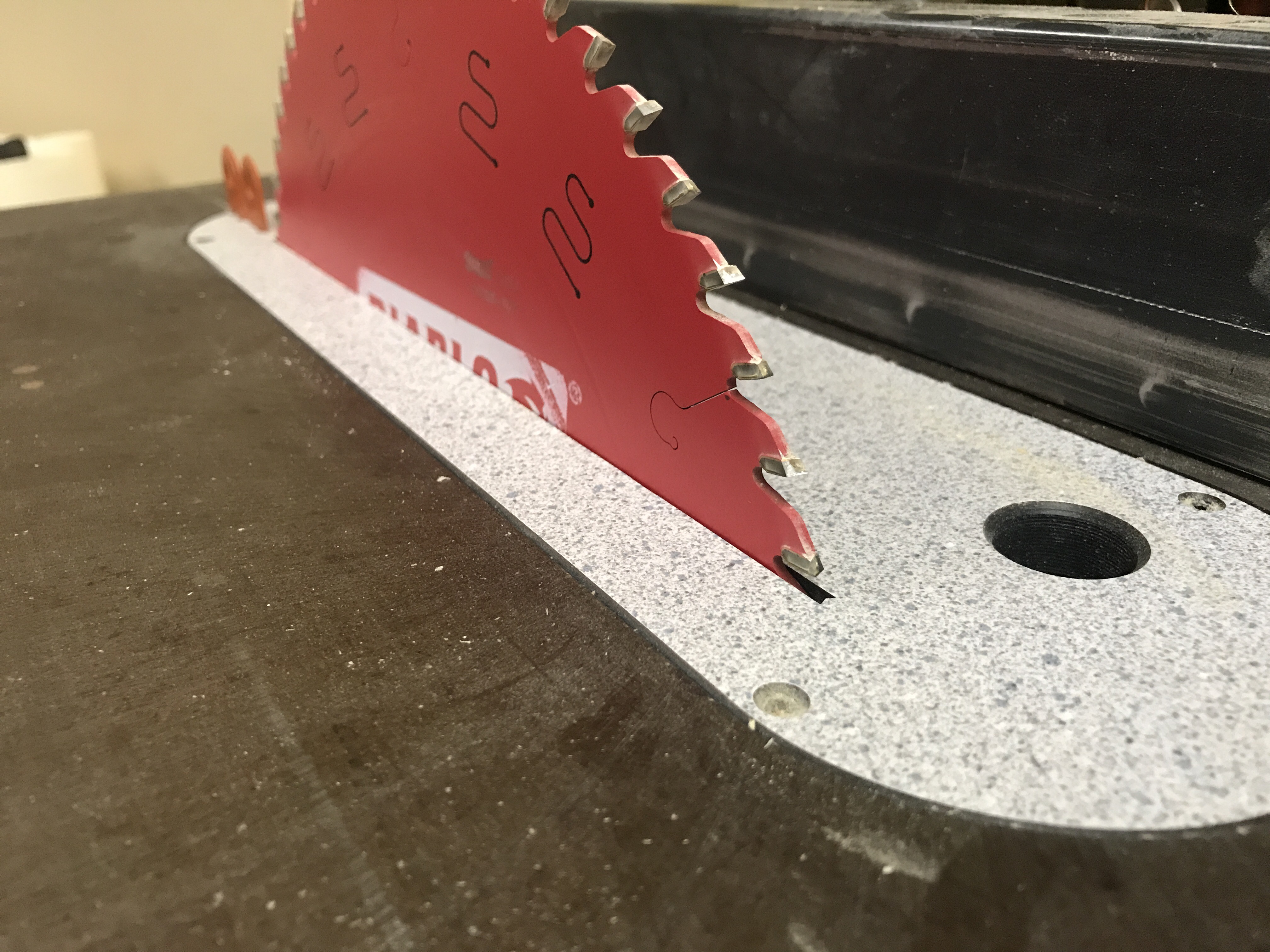
I grabbed a nice Diablo 60 tooth blade ($34) from Amazon, a zero clearance insert ($34), and a splitter kit ($35). After installing the blade, I tuned up all of the alignments on the saw following tips from parts 1 and 2 of a YouTube guide. Once everything was aligned properly I was able to install the insert and splitter. The combo will help prevent tearout, not give space for pieces of wood to fall down into the saw, and help prevent kickback since this old saw doesn’t allow a riving knife. You can never be too safe on these machines.

In part 1, I mentioned fence customizations. The plan there was mainly based on reviews I read about this saw before buying it. Many people said the fence was junk. After aligning everything, making sure to move the fence from the T end (not the end by the blade), and using the saw for a bit, I think it’ll work just fine for me.

At an estate sale I found a miter gauge that actually fits my slots. I bought a digital angle gauge ($15), which not only helps to make sure the blade is aligned properly with the table, but will allow accuracy when setting angled cuts.

Check out part 3.