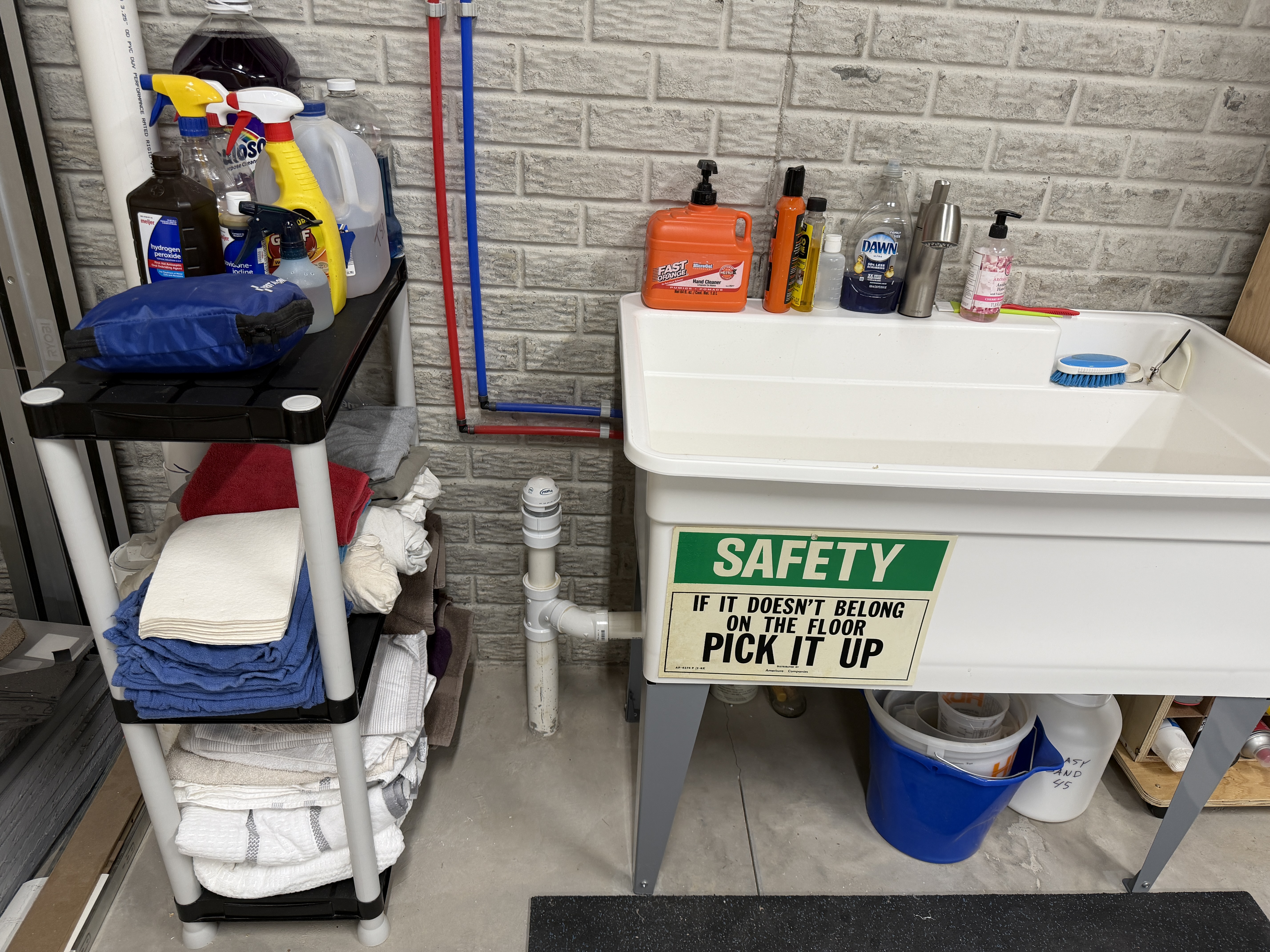
With my big shop table done and a lot of storage space to fill, I finally started to tackle the boxes and piles of things that have been sitting in the corner for nearly a year and a half. First up was towels, rags, cleaning supplies, and first aid. We had an unused plastic shelving unit, so I put it to use. It went between my Ryobi cordless tool wall and the utility sink.
Finally trying to pick things up!
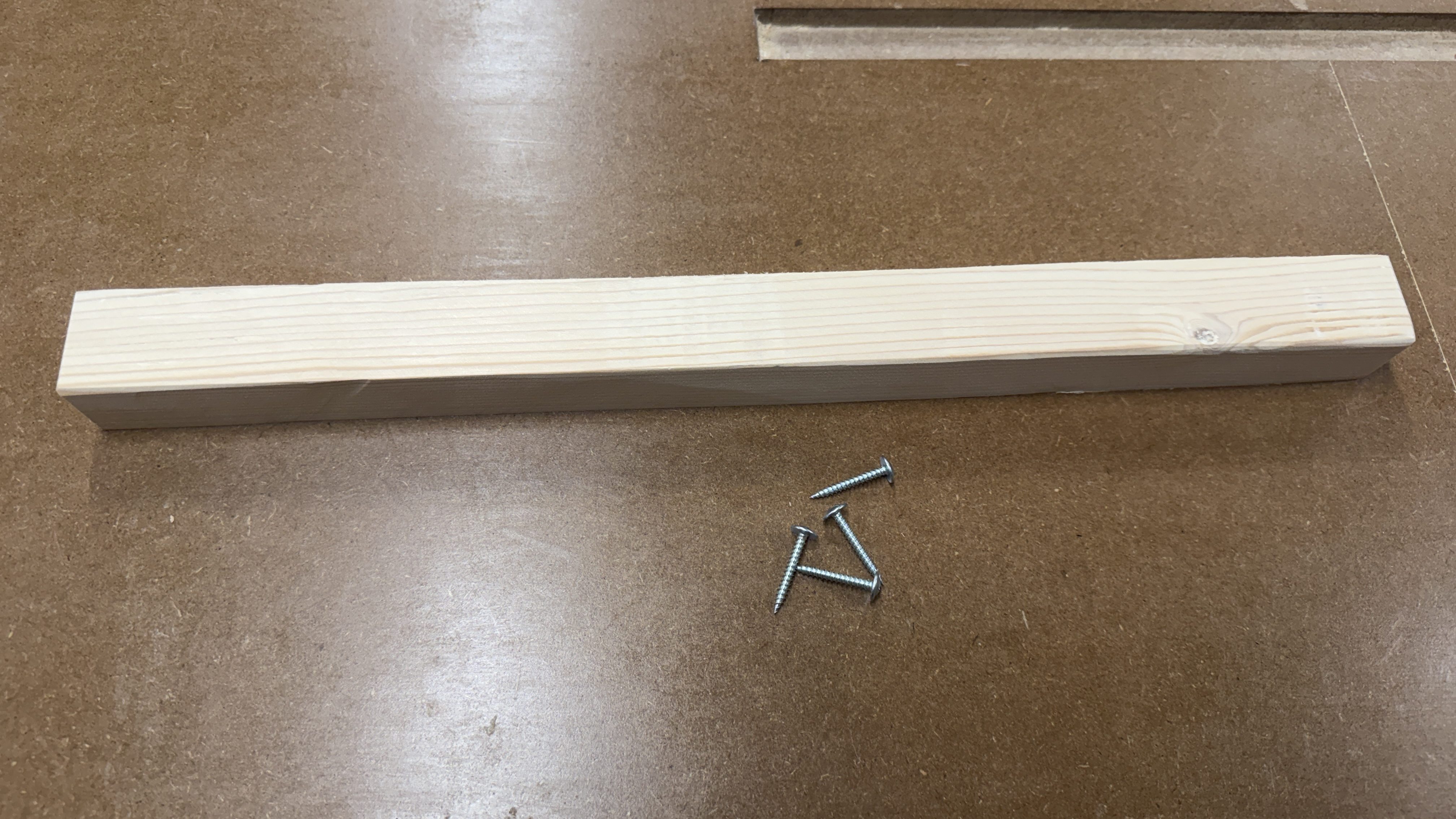
I’ve been draping a hand towel over the edge of the sink since moving in and now I had a place to mount a towel bar. I quickly cut some 2×4 to size, so it would fit between the edges on the side of the top shelf.
Truss head screws, so they’re less likely to pull through the plastic.
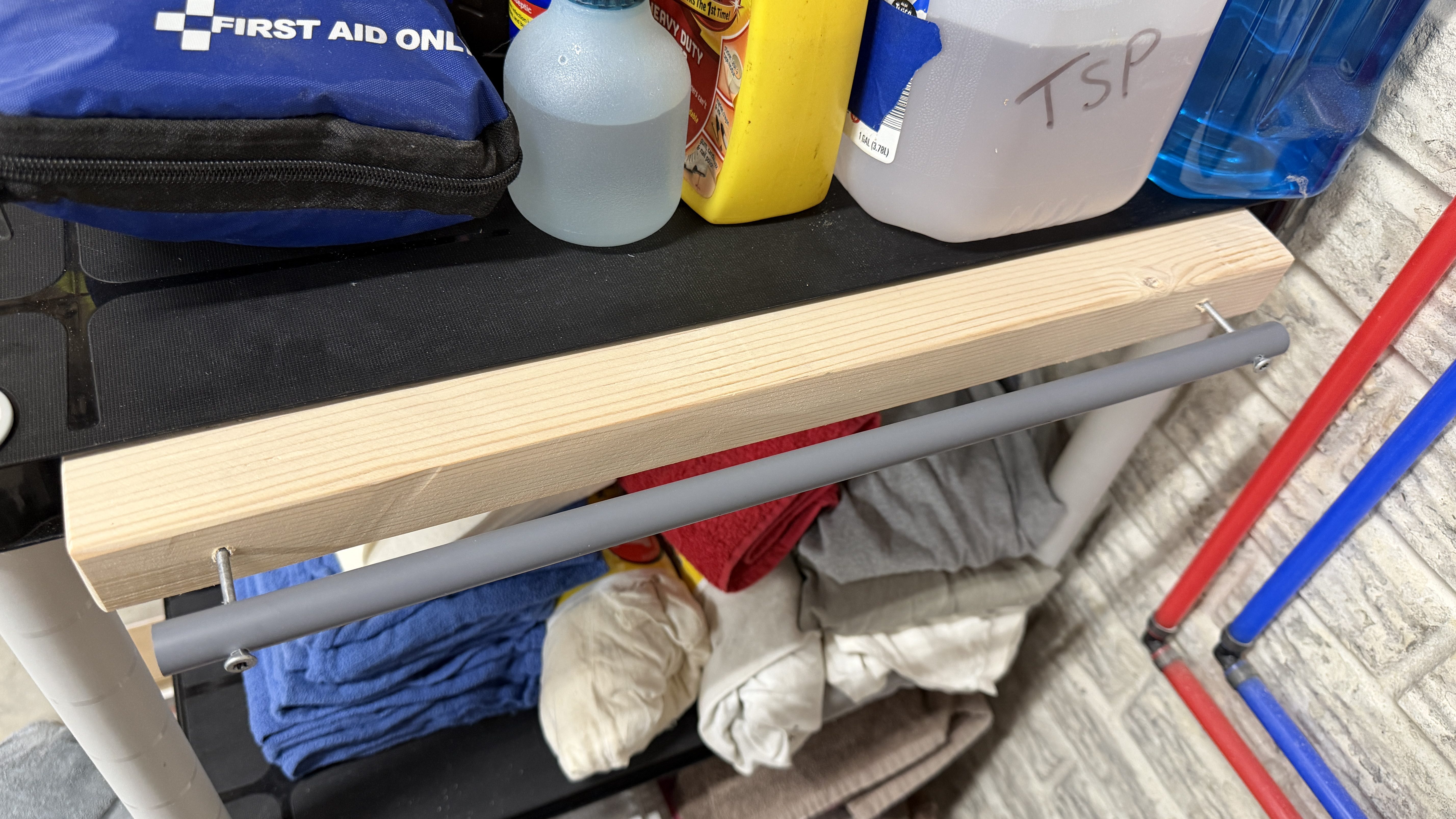
Then I drilled four holes in the edge of that shelf and mounted the piece of wood. I drilled two more holes in a piece of PVC and mounted it to the wood.
Ignore the sand marks.
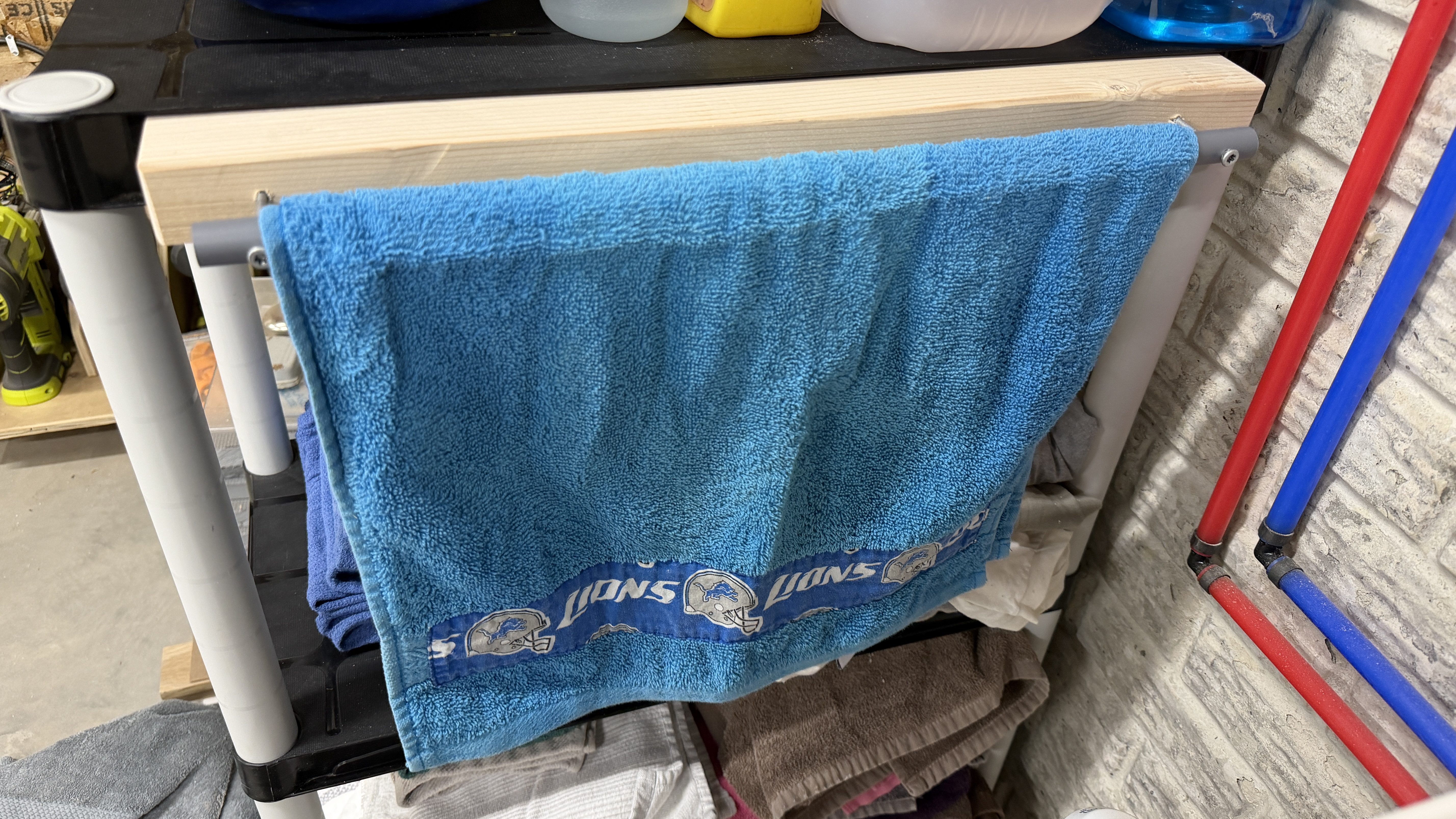
This was a quick project and it’s extremely useful. I love simple shop builds where functionality is the most important requirement.
Several years ago my aunt made me Lions and Red Wings towels that I use in the shop.
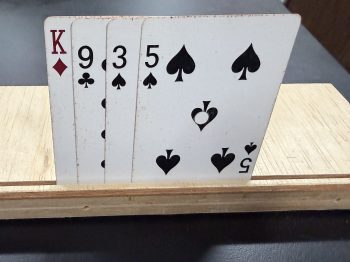
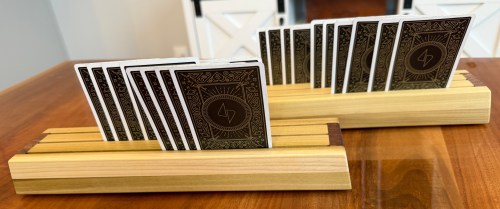
Mom sent this photo and asked me to make a couple racks/holders for playing cards.
Sounded like a fun little project to put my spin on. At first I assumed the slots would need to be angled away from the player. The more I thought about it, the width of the slot should provide enough of a lean. I gave it a test.
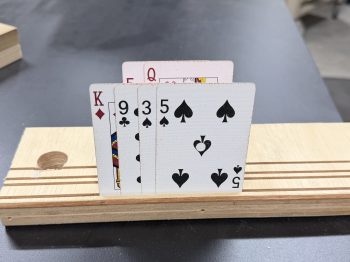
I was right, no angle needed. My next question was if you could see the cards in multiple rows, so I cut slots at several distances apart.
Not great. I had a hunch that differing heights would help and this made me confident. So I cut one slot deeper and tried it as the front row.
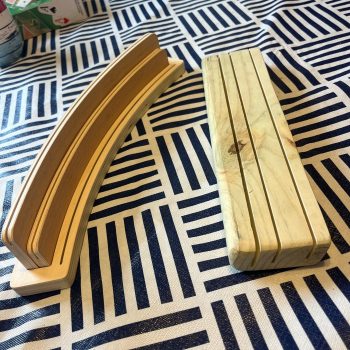
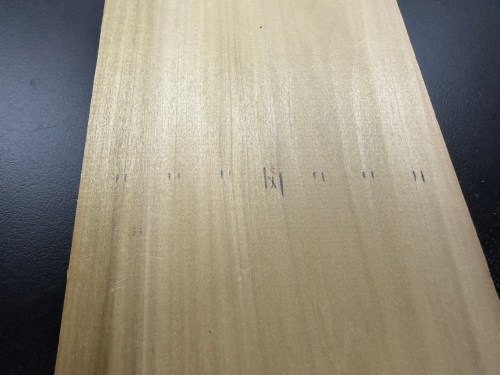
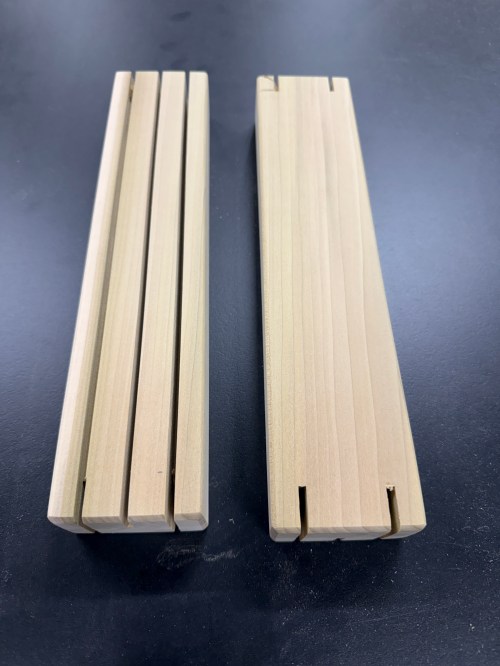
Yep! I grabbed a couple pieces from my lumber rack and marked slot spacing that could get me two racks, each with three slots.
I laminated a couple of boards to give me enough height for the different slot depths.
Then I squared up the edges, cut to length, and sliced down the middle. The dimensions are 12 x 2-5/8 x 1-1/2 inches.
Finally, I cut the slots. The deck of cards I have in the shop are a bad example, since the numbers on most of the cards are lower than they should be. The slots are 1/4, 5/8, and 1″ deep, with 5/8″ of space in between.
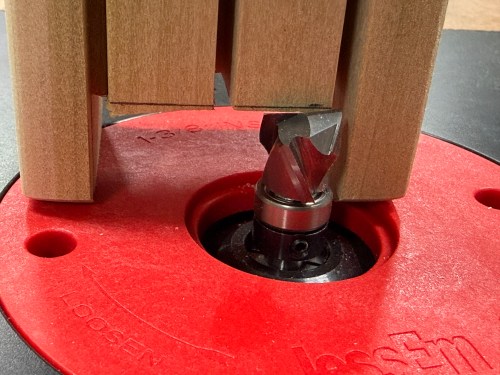
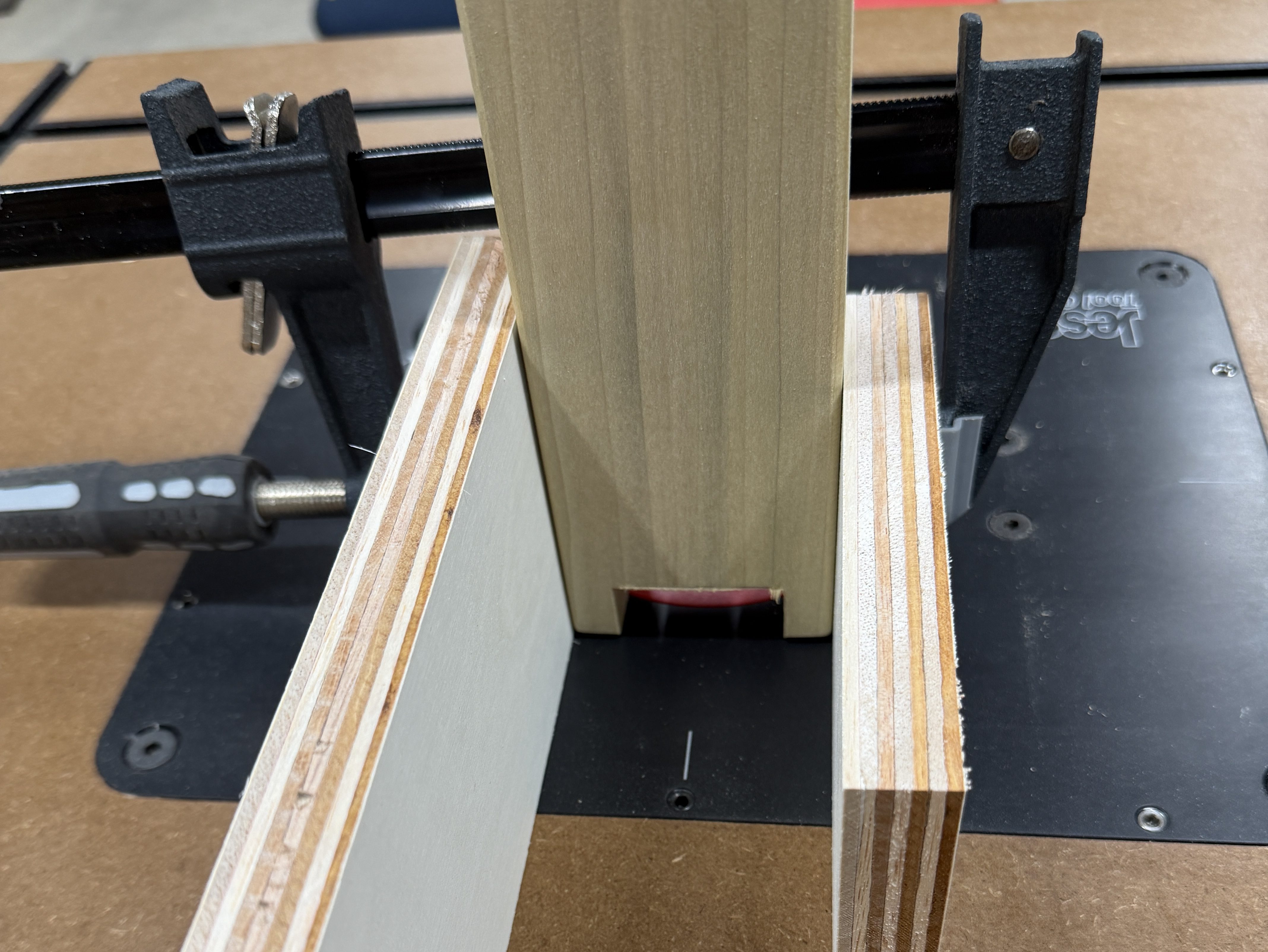
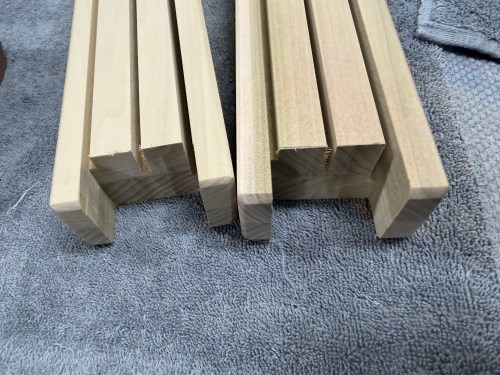
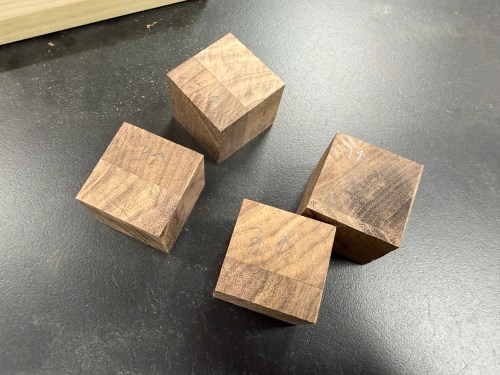
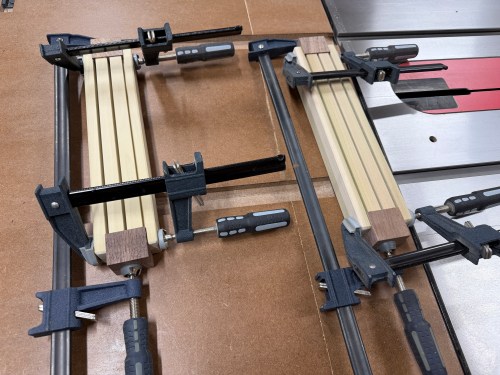
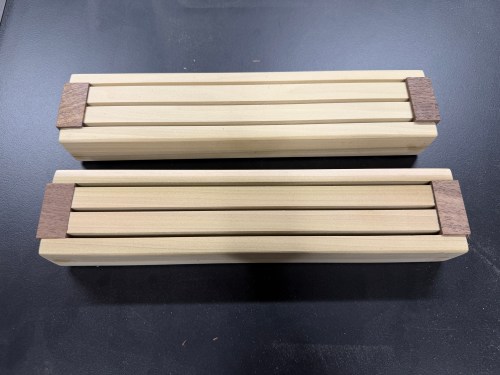
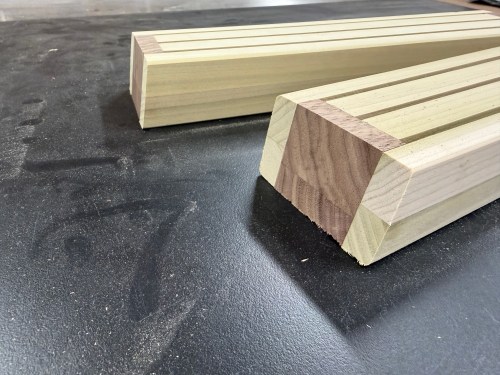
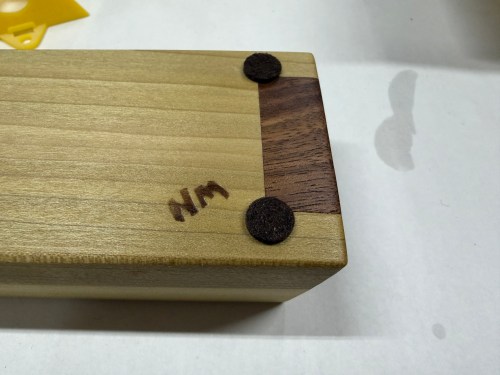
All the chamfers on my ends and the slot depths being visible was a bad look. So I cut out the middle section of each end, made black walnut fillers, glued them in, and trimmed them at a 10° angle to spice up the visual. I also added my NM stamp on the bottoms.
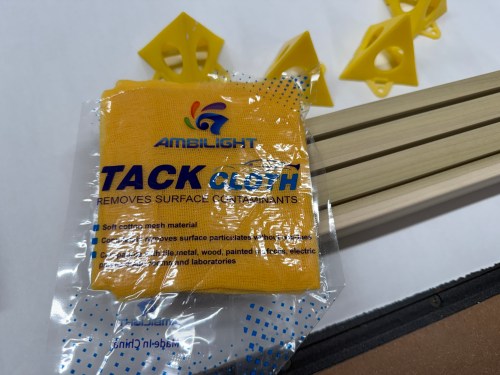
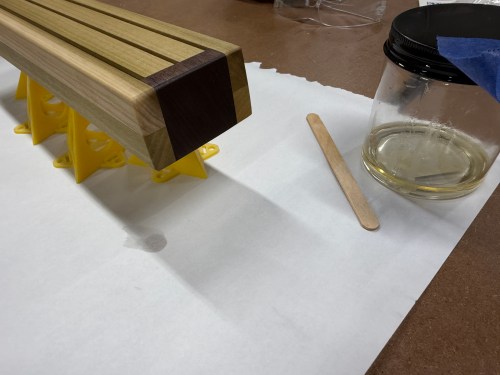
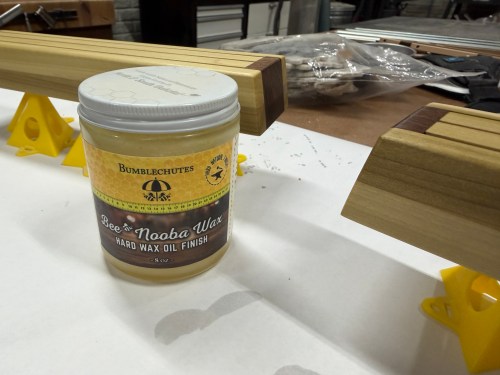
Much better! As a bonus this adds strength and will keep the cards from sliding out if the holder is picked up. I applied two coats of Bumblechutes All Natural Wood Finish and then Bumblechutes Bee’Nooba Wax. To finish them off I added felt pads to the bottom.
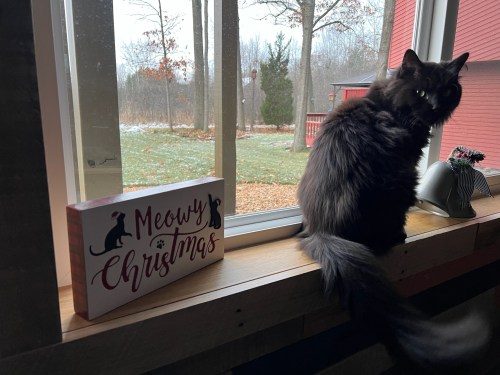
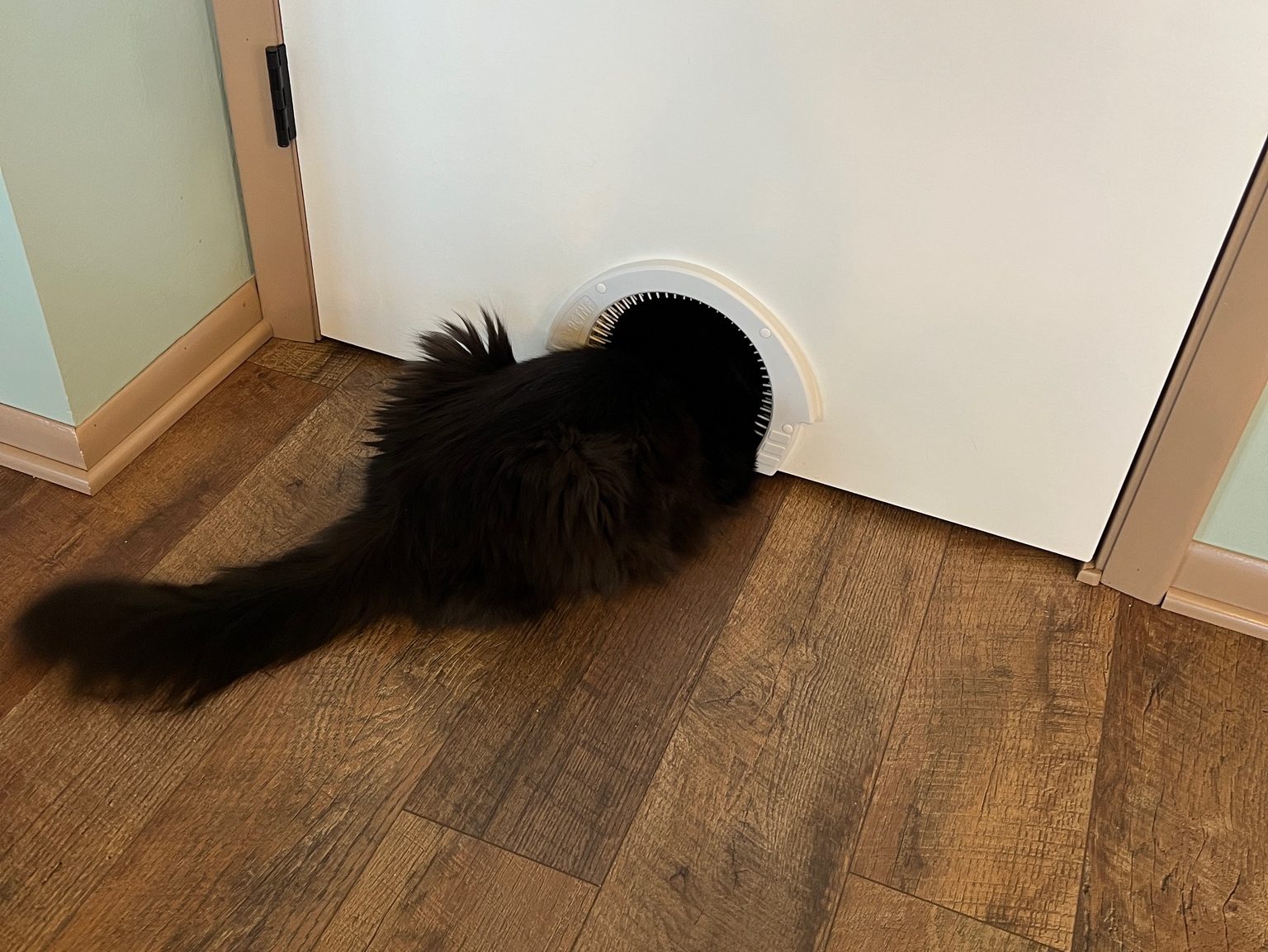
When Brandi moved in she brought her black cat, Ninja, with her. I wasn’t too sure about him because I’d never liked cats. With my job working from home, he quickly became my little buddy and turned me in to a cat guy.
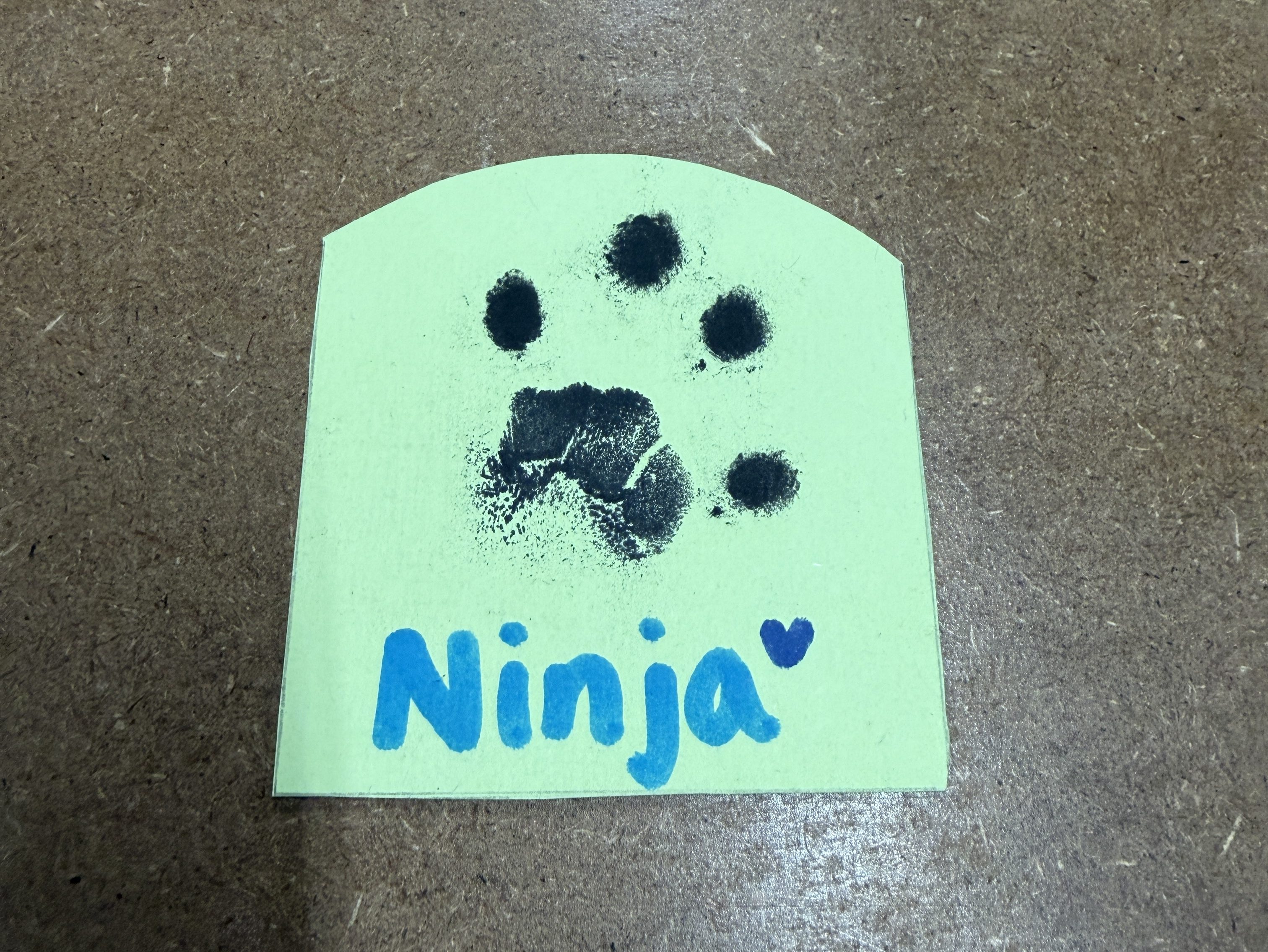
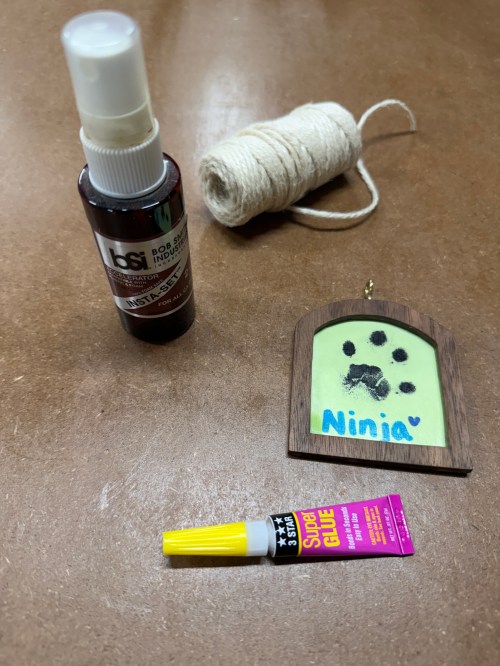
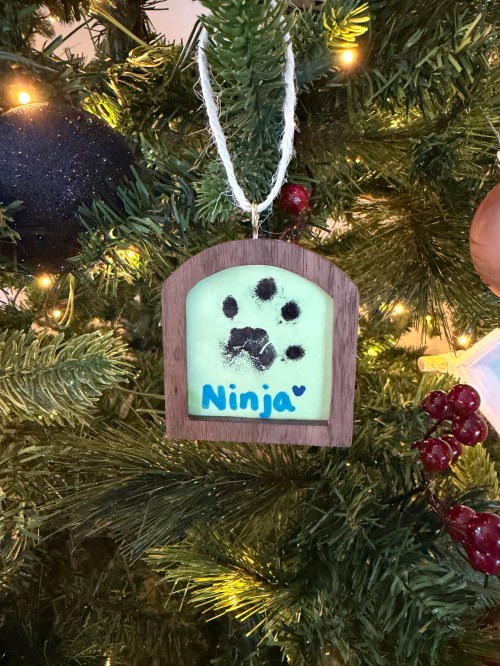
Ninja got sick and we lost him at the end of August, which was really hard. 😿 He was such a good kitty! The vet sent us a sympathy card with his paw print.
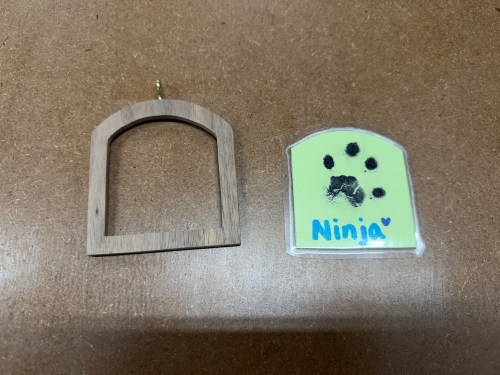
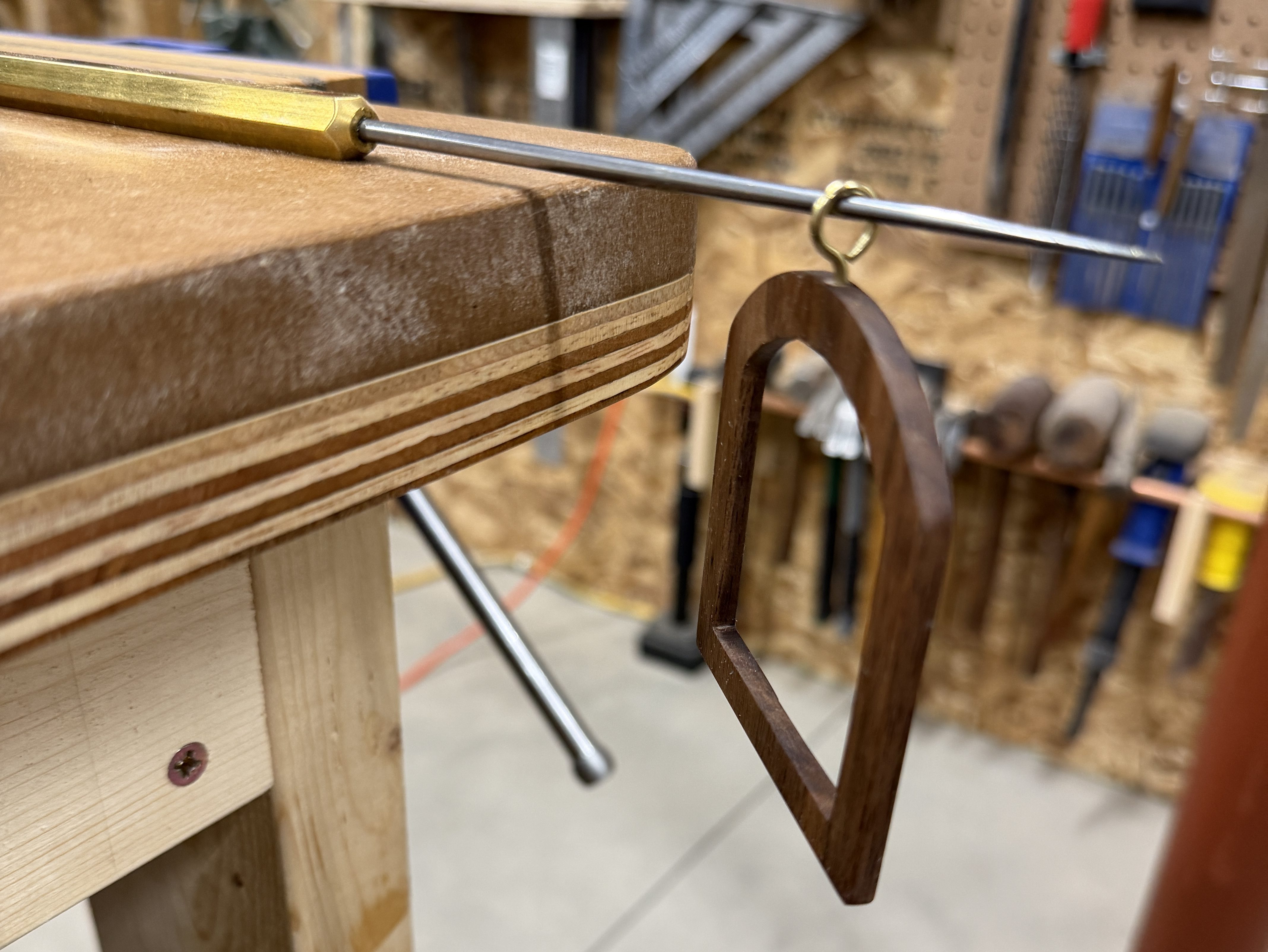
Since holidays are always a good time to remember, we decided to preserve the card in this year’s Christmas ornament and we’ll always have it. Brandi wants to start learning to use some of the tools in the shop, and she got to use the band saw, scroll saw, and sanders while helping to make the frame.
Check out our previous ornaments from 2021, 2022, 2023, and 2024.
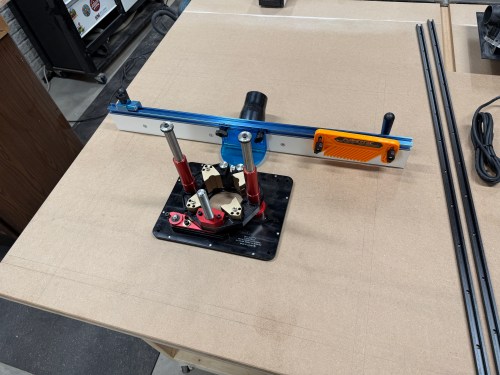
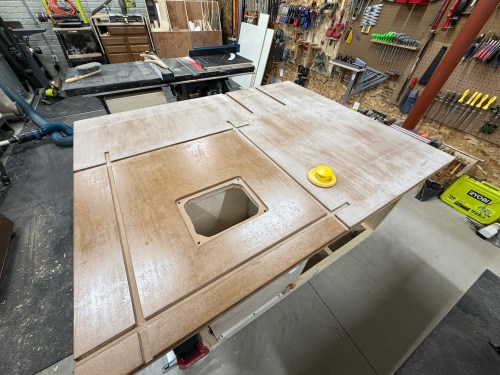
First, I had to figure out exactly where to install everything. I placed the fence and lift (upside down) on the table to get a feel for it. Then I outlined the lift and drew in the T-tracks.
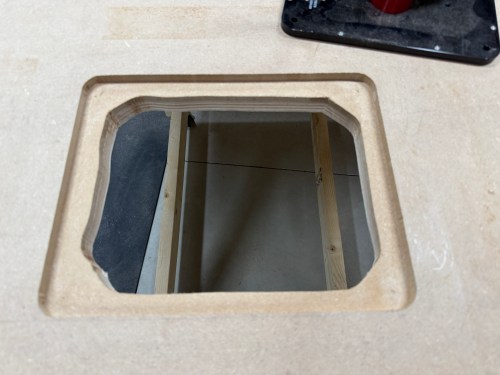
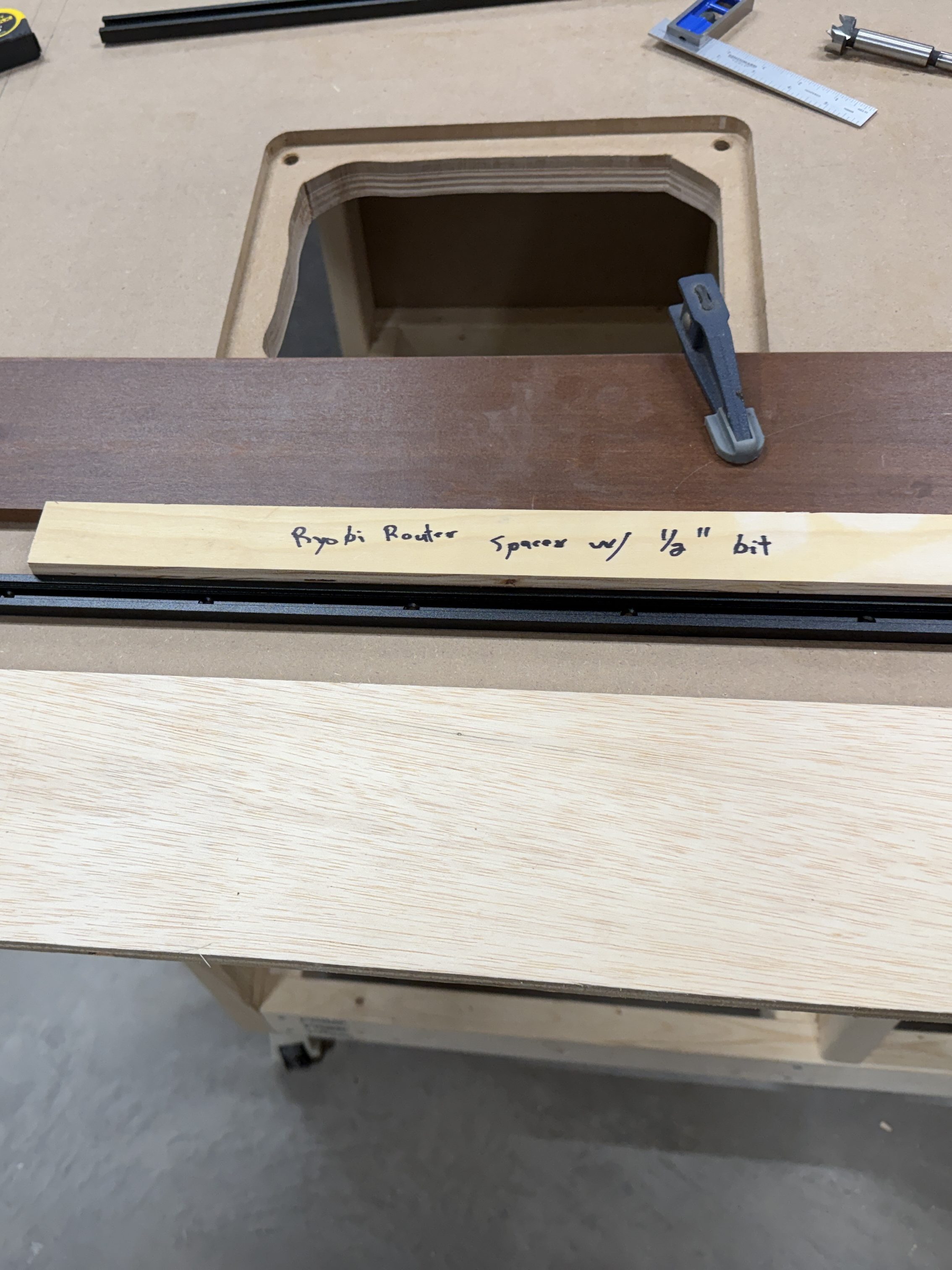
I cut a spacer equal to the distance from my router base to a 3/8″ straight bit. Then I used double-sided tape to secure the border pieces. I removed the material in two passes and cut out the middle with a jig saw. The radius on the corners was much larger than the router bit, so I free-handed those up to the pencil marks.
I installed threaded inserts for the four bolts that secure the lift. Yet my centering was off, so it didn’t work out. I removed the inserts and drilled through to use longer bolts with a washer and nut under the table. I had to drill a recess in the bottom because I couldn’t find long enough bolts.
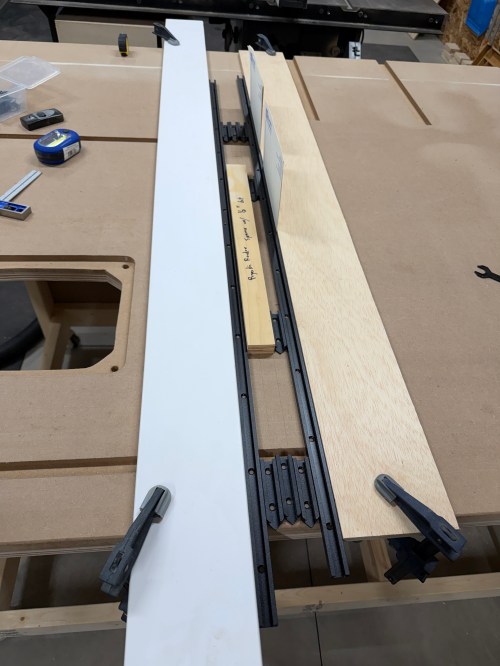
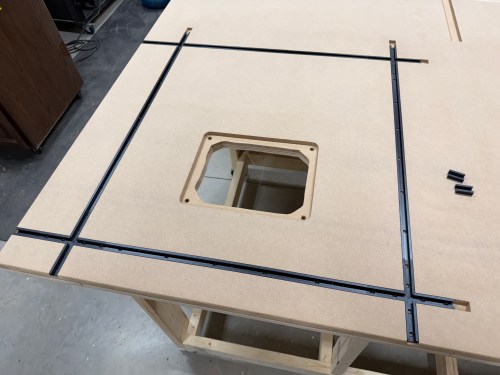
Setting up to route the first T-track took a long time, like when I did the miter slot extensions. I got faster with each one, as I figured out a process and all of the spacing. That same spacer came in handy, as well as pieces of the T-tracks. I measured and cut all of the T-tracks.
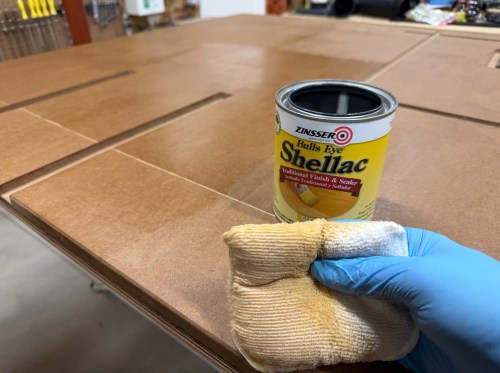
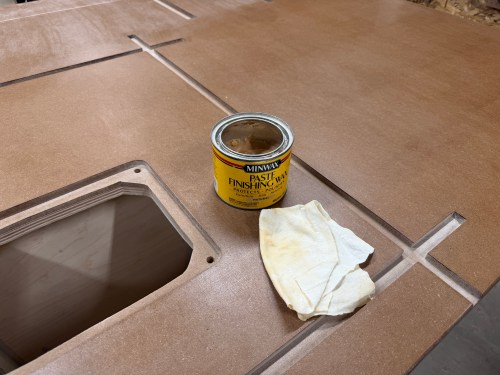
I sanded the top and edges with 80 grit using my random orbital sander .Then I applied four coats of Zinsser Bulls Eye Shellac. A day later I did a light hand sanding with 220 grit and applied paste wax.
A good router table needs dust collection and here are the parts I used for mine:
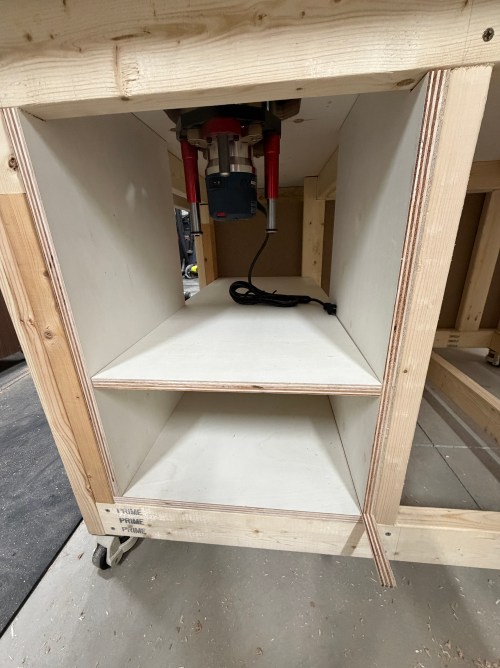
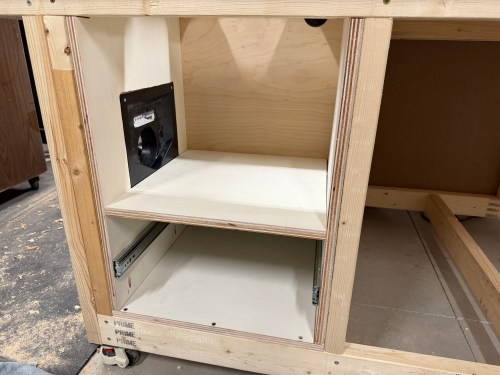
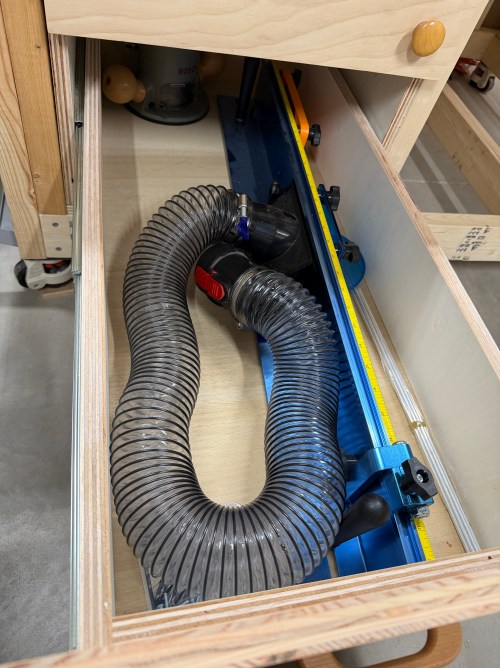
I had to build a cabinet to enclose the router lift, plus a drawer underneath. Due to the table’s frame and a need for the left side, I sketched out a plan. I was making a big version of the L-shaped Tetris piece.
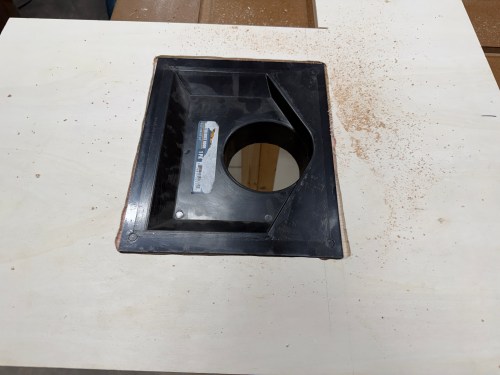
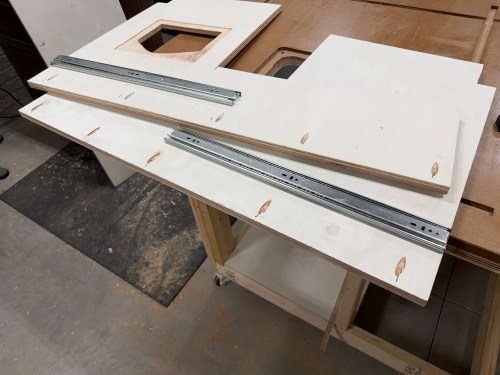
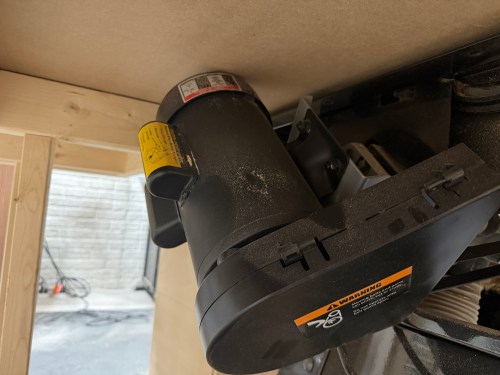
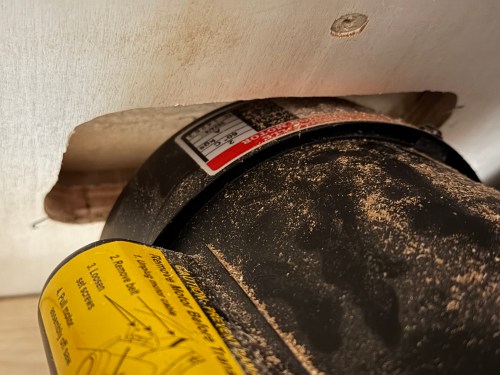
The assembly had to be done inside the frame, due to the cabinet nesting up through the frame. After getting plywood to size, I cut various holes, attached 22″ drawer slides, routed a recess for the dust hood, and drilled pocket holes. It all screwed together quickly.
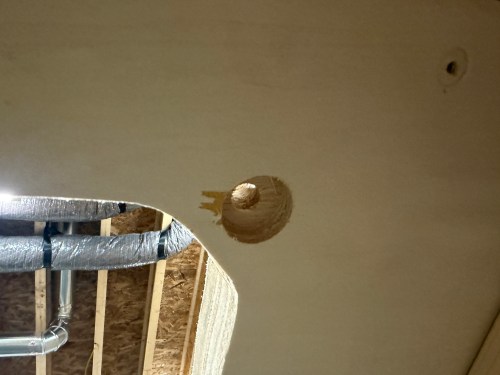
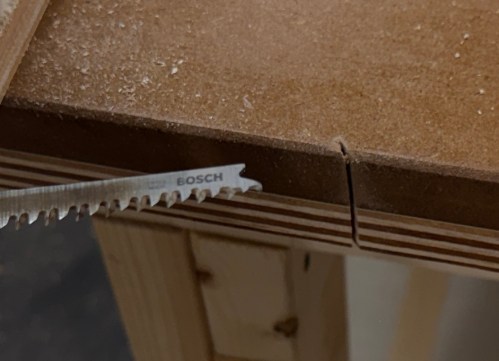
Of course, when using the jig saw, I accidentally cut in to the new table top! I’m the only one who does this, right?
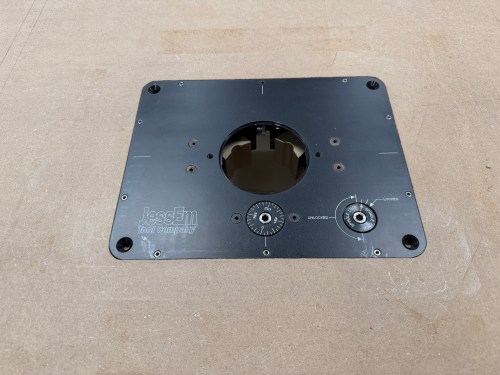
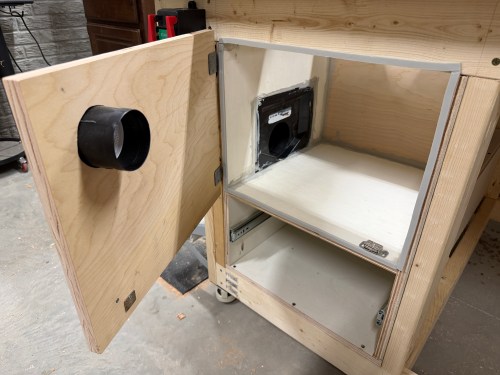
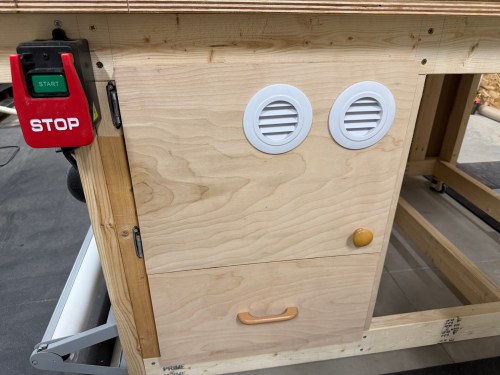
I caulked everywhere inside the dust box. Then I cut a door, mounted hinges, added a magnet close, and used weather stripping to seal it. The door got a hole with a vent cover to supply fresh air to the router and dust collection system. After some use I’ll see if I need to add a second vent. I mounted the lift, leveled it to the table, and bolted it in. The lift doesn’t came with a blank insert, so I bought one from an Etsy store.
Update: I did end up adding a second vent.
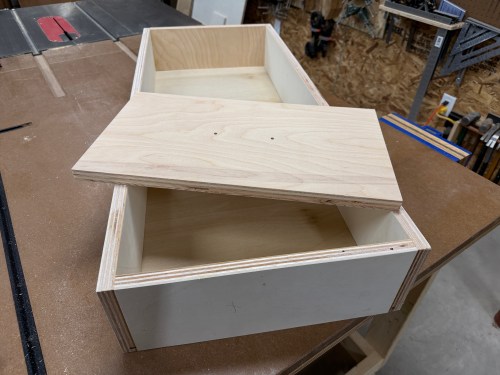
I cut all the pieces for the drawer, cut a rabbet where the bottom would slide in, and drilled pocket holes. Then I glued and screwed it together. Attached a drawer face and mounted a handle.
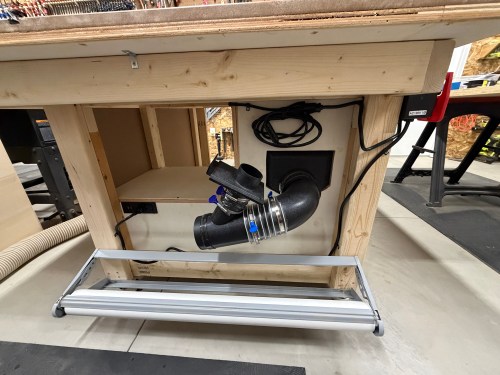
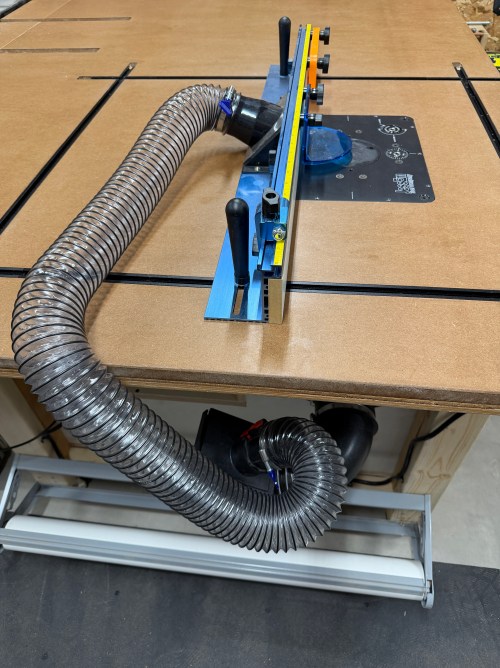
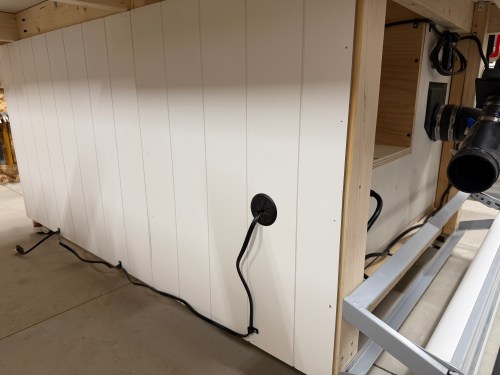
Along the left side of the table, I installed my paper roll dispenser. A 90° and then a Y-fitting connect to the dust hood. A 2.5″ blast gate is attached to the other side of the Y, for a hose up to the fence. The power cord went through a 2″ Desk Grommet on the back side. I screwed a POWERTEC Paddle Switch to the front. These switches makes it quick and easy to turn off the machine with my knee. I put in a recessed power strip with USB ports. Then I clipped in the wires and mounted a heavy duty surge protector power strip. This allows me to plug in the table saw as well.
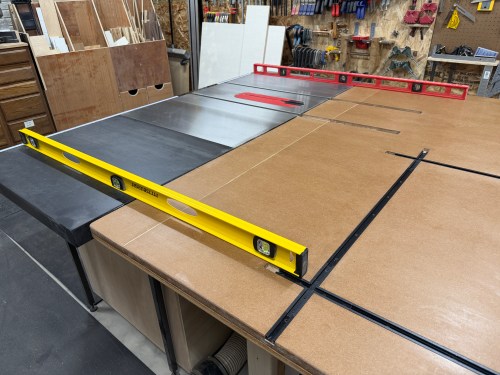
The final thing was to lower the castor feet to raise the table up to the saw.
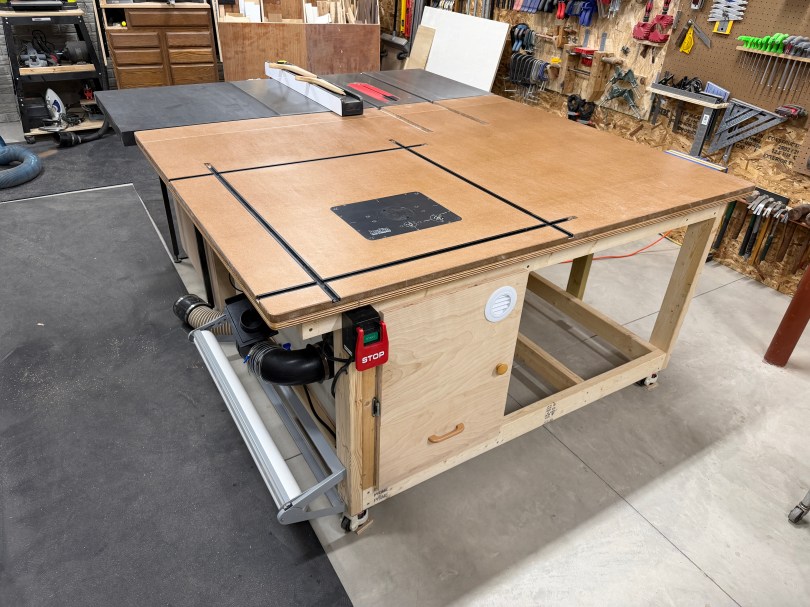
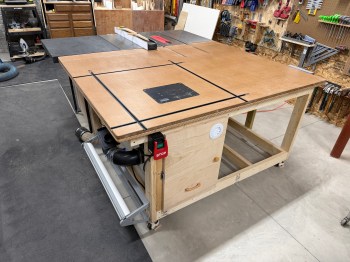
It’s so nice to have a large table table in the shop and I’m excited for the router, where it’s easy to use and always ready. Here are some more pictures.
There are the other accessories I bought for the router station, some of which can also be used at the table saw:
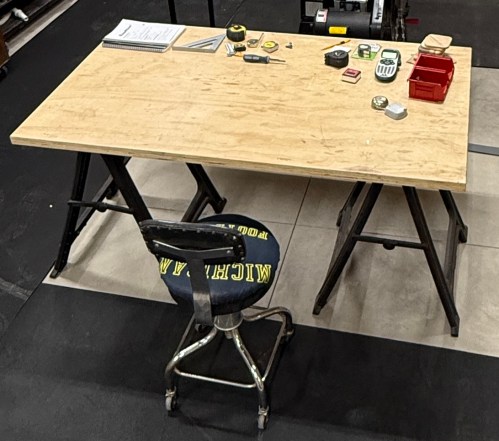
When we moved to the new house, I disassembled my workbench with the plan to build one for the new workshop. More than a year later I was still using the old top on sawhorses and everything I bought for the build was piled up in the corner.
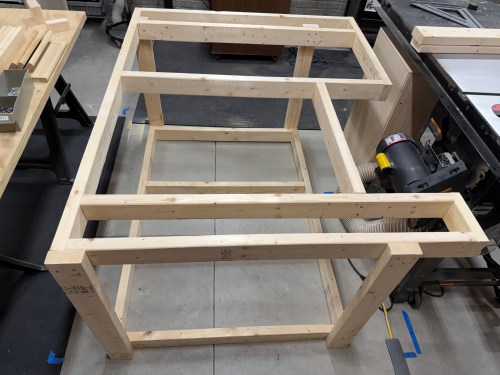
The planning notes and ideas I made last year were a good starting point. I took a bunch of measurements, adjusted to account for the motor when tilting the table saw blade, and mapped it out with blue tape. Made more adjustments, cut all of the pieces from 2x4s, and assembled the frame with 3″ screws. I’ve learned my lesson about not using glue for shop furniture because it’ll likely get taken apart in the future. By only using screws I can reuse the materials when an improved replacement gets made.
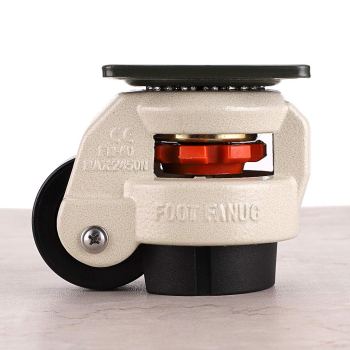
The castors I bought double as adjustment feet, making it easy to raise the height up to the table saw and will make the table stationary 99% of the time.
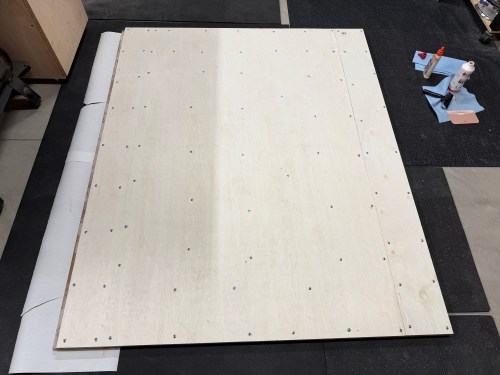
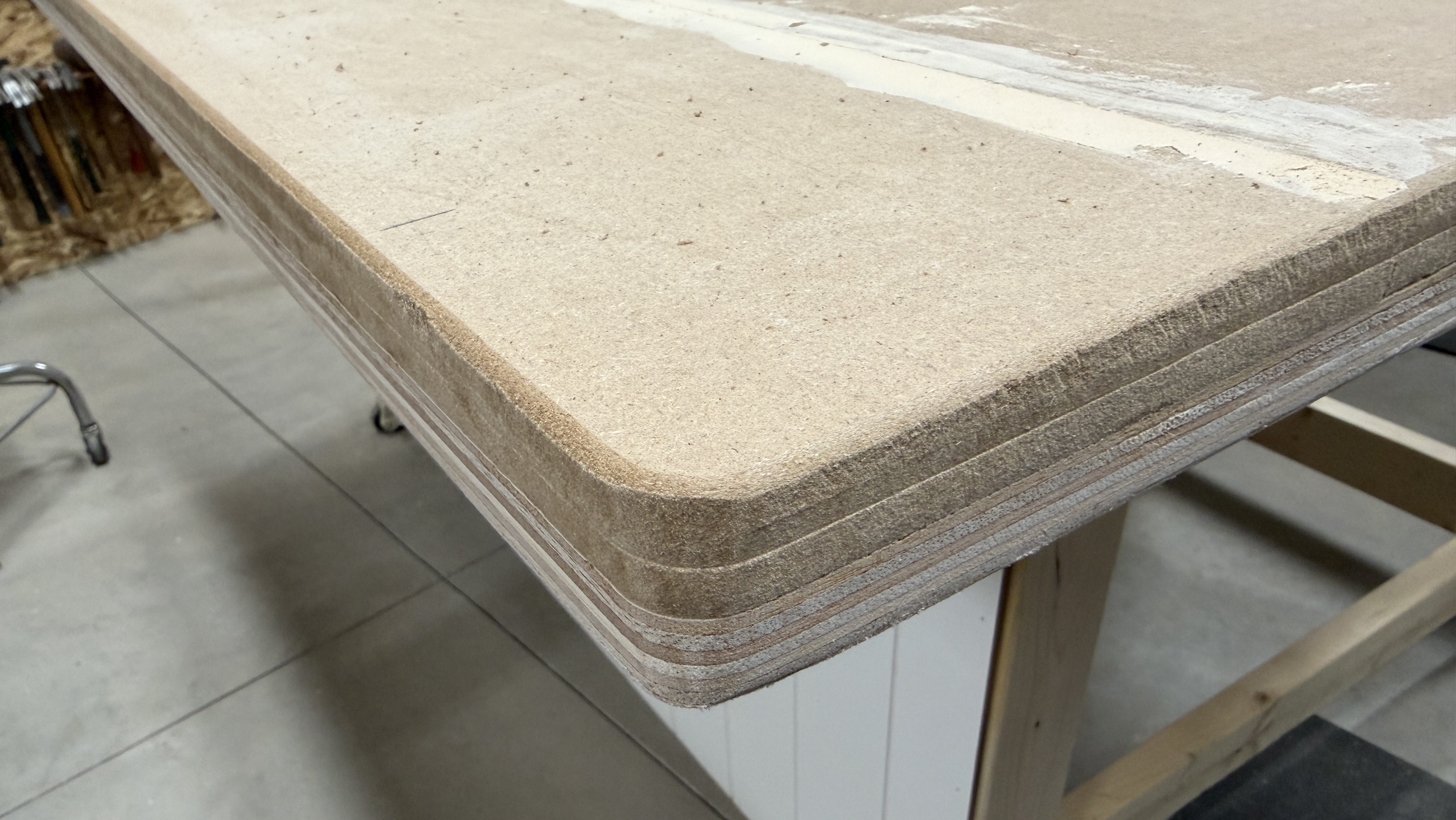
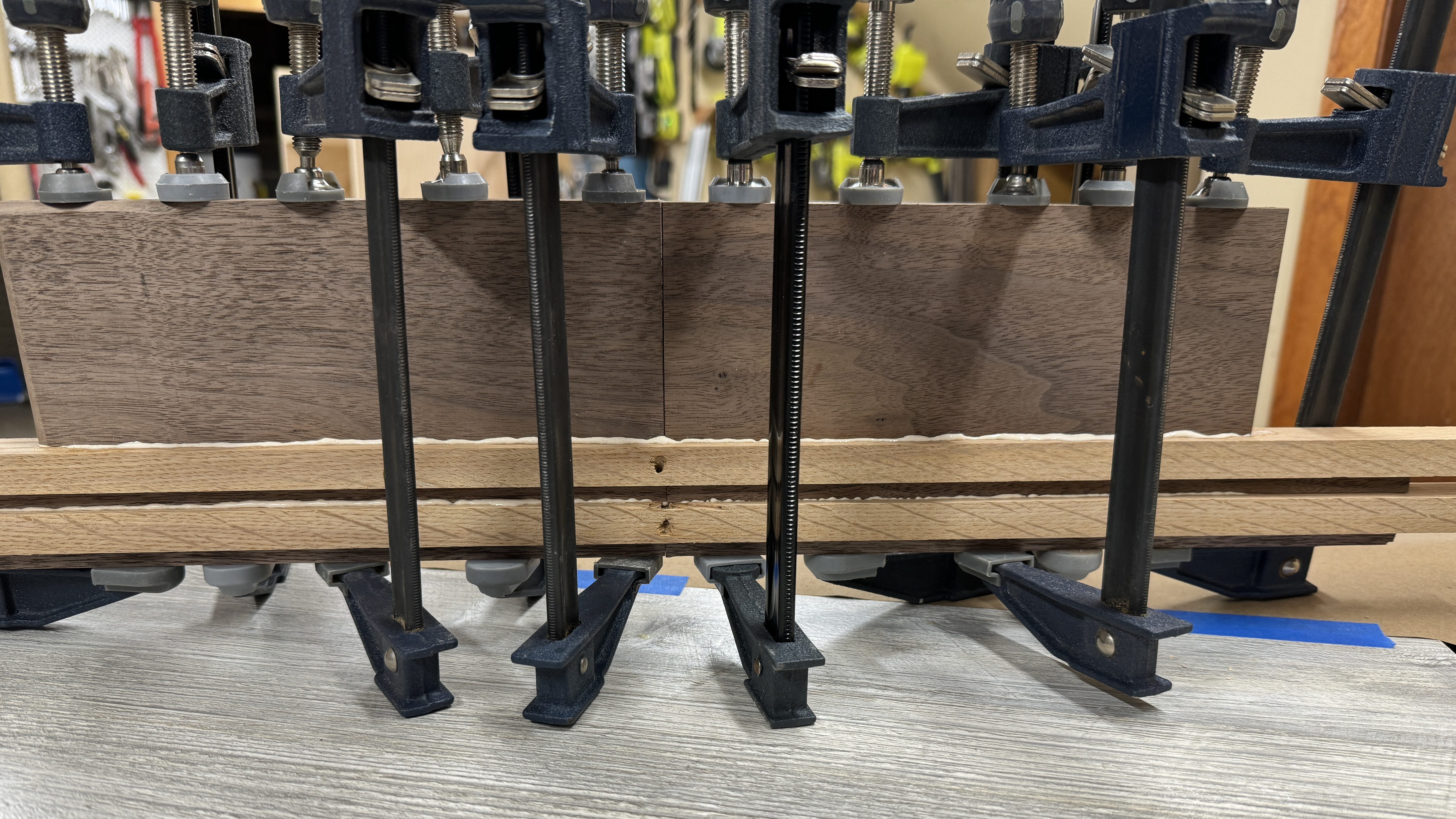
I cut plywood and MDF, then laminated them together, using screws for clamps. Since my top was going to be 66×54″ I had to splice in a six inch strip of each.
After the glue dried I removed all the of screws and got it up on the frame. Then I checked the height of my table compared to the table saw and it was going to work out well. With the blade at 45° and all the way down it was extremely close to the table top though.
When maxing out the blade height the motor raised about an inch. So I created a clearance pocket with the router.
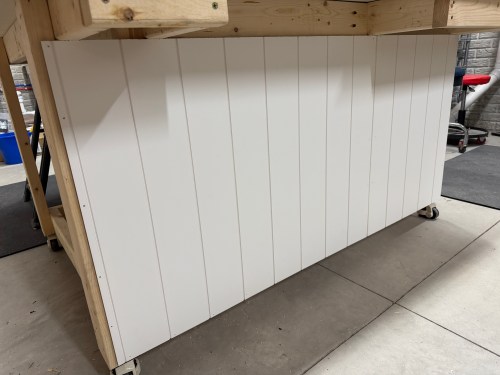
I added a couple more vertical supports along the back of the frame and cut scrap shiplap panelling to rigidify it and close it up.
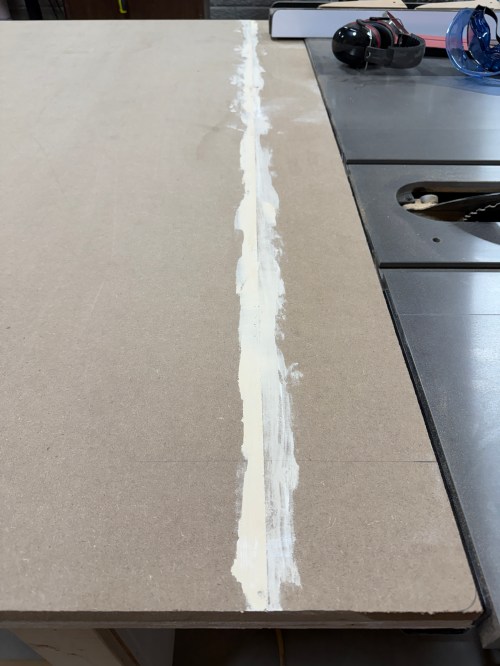
I trimmed all of the edges to size. There was a small gap between the spiced sections of MDF, so I used wood filler.
One inch corner braces with 1/2″ screws were used to attach the top to the frame.
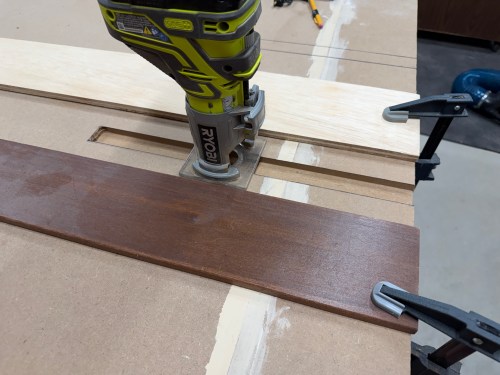
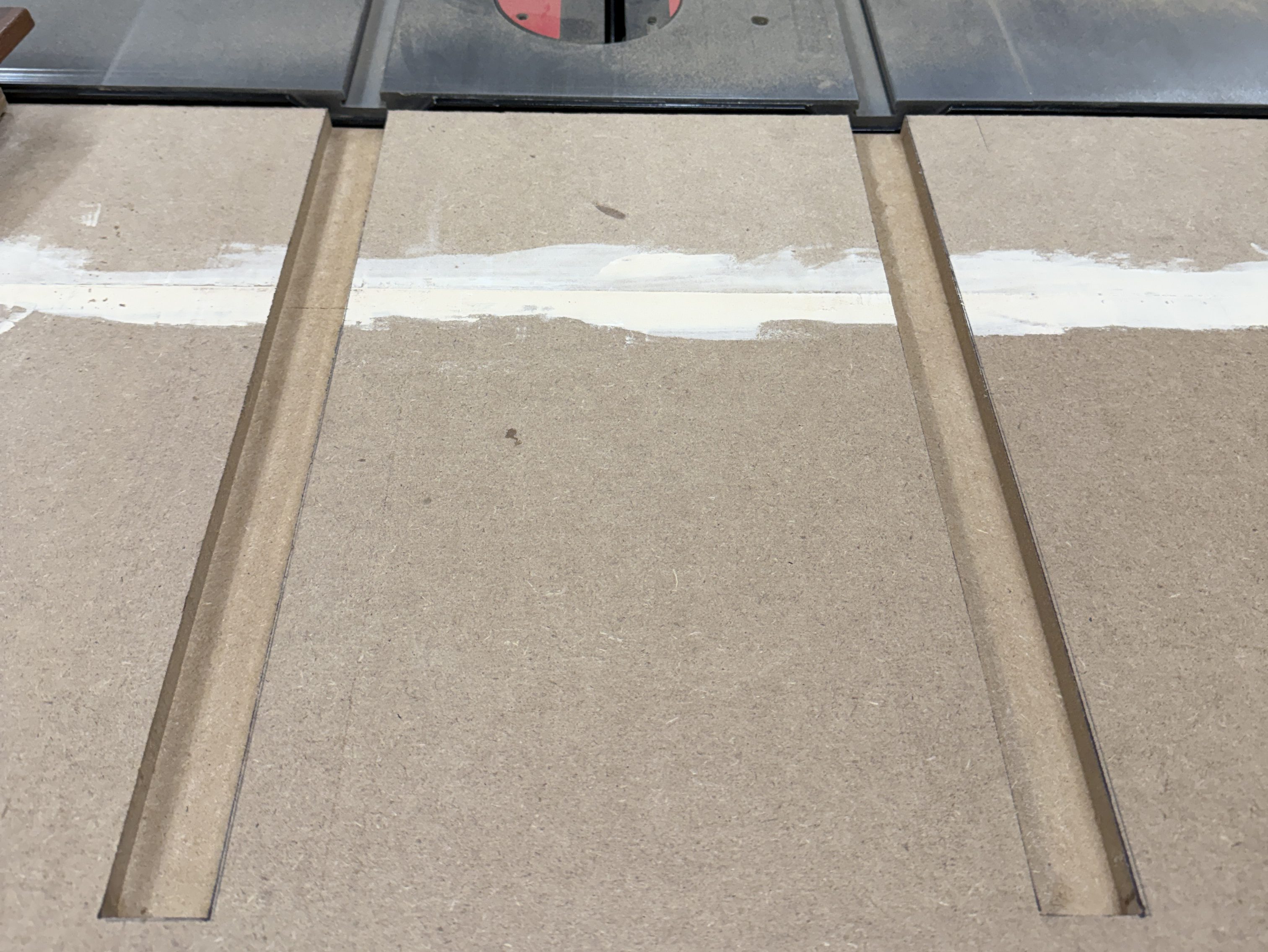
The miter slots were extended from the table saw. I made them wider and slightly deeper, so the outfeed table placement won’t need to be too exact.
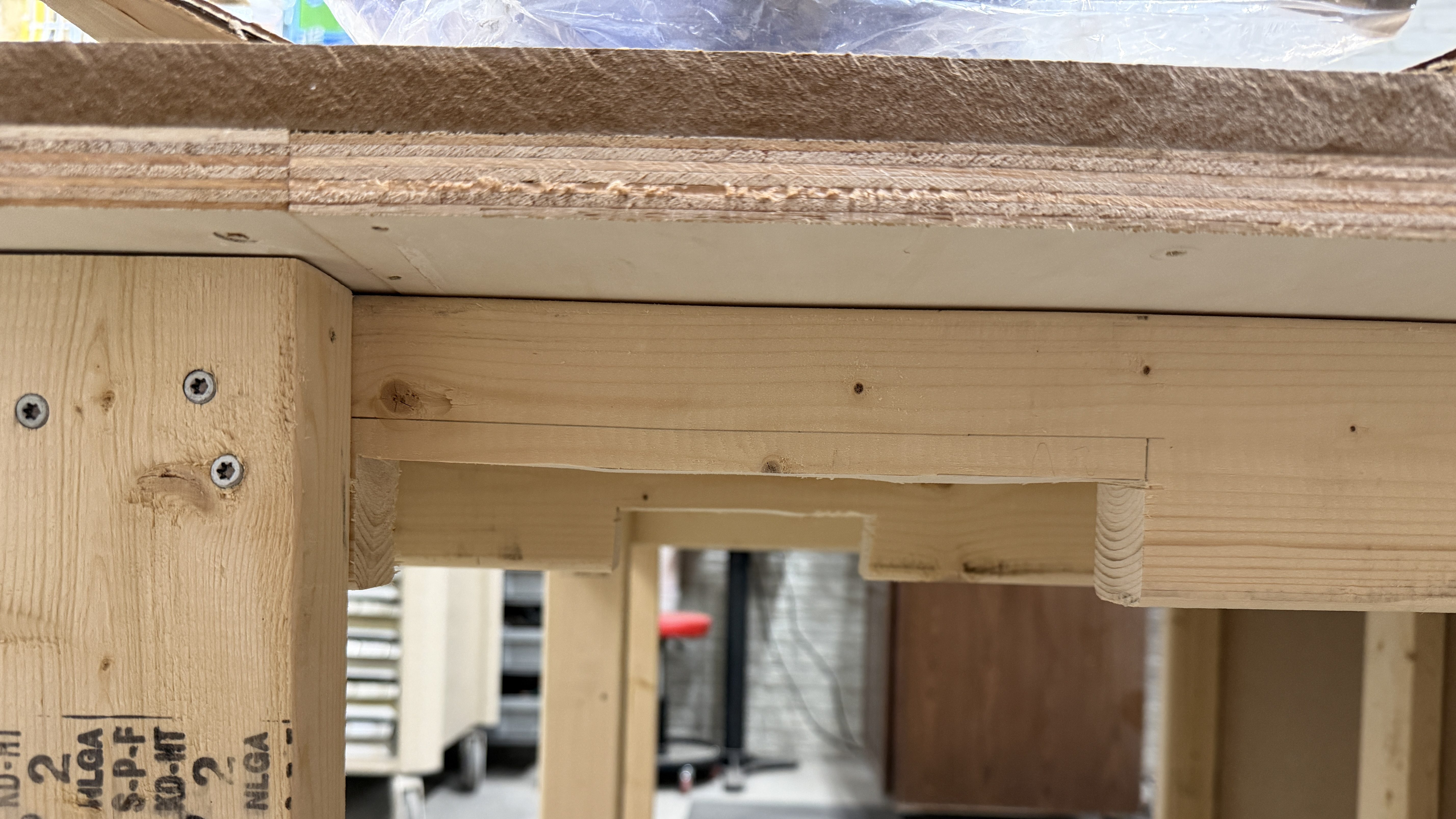
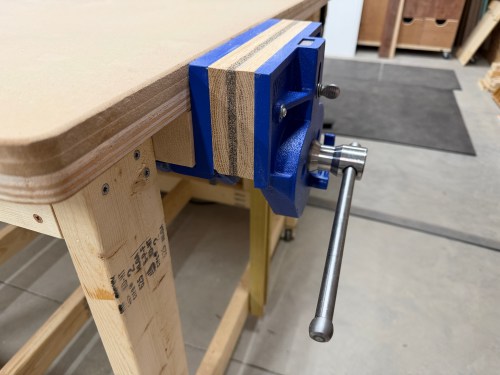
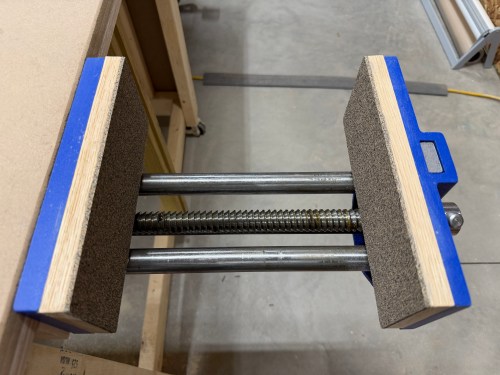
For my vice, I bought a Yost 9″ quick release vice. To mount it I had to remove part of the frame and add blocking.
I realized I should finish up the edges of the table, so I quickly rounded the corners, sanded the edges, and added a roundover.
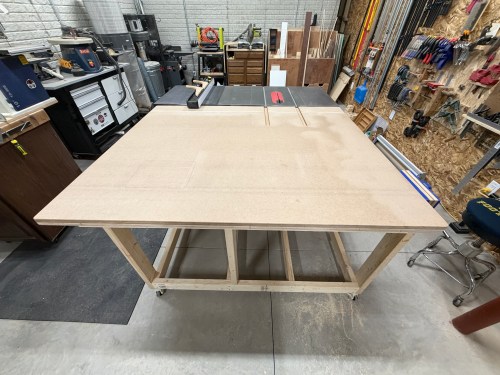
Look at this beauty! So much room for projects and a space underneath for storage.
Continue to Outfeed Assembly Table – Part 2, which is where I add a router station, complete with dust collection. Then Part 3, where I add a bunch of drawers for storage and organization.
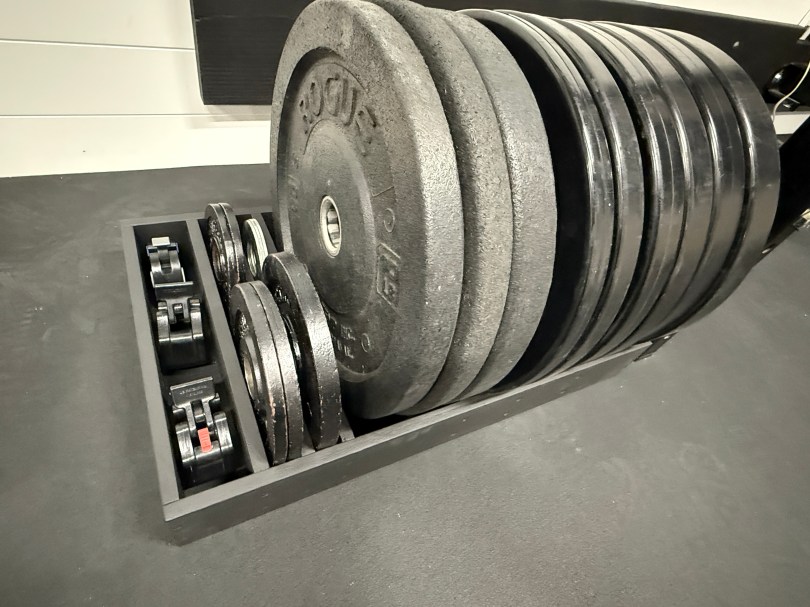
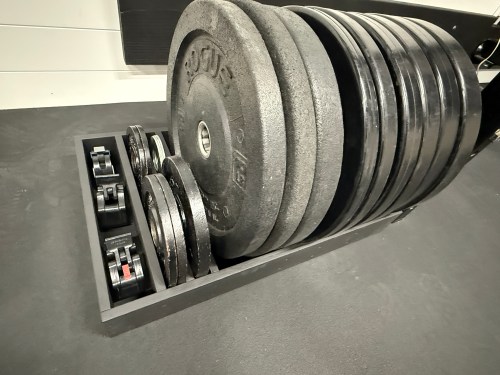
During the move, version 2 of our weight plate storage was tossed in the trash because we sold our 55 pound plates and wanted to evenly split the plates on either side of the rack in our new gym.
I took some measurements and did a little math for a general idea of how much wood I’d need.
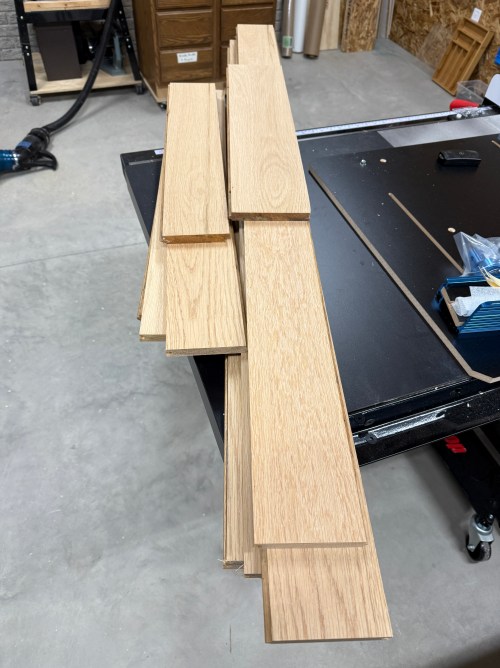
Grabbed some old oak flooring and started processing it on the miter saw, planer, and table saw.
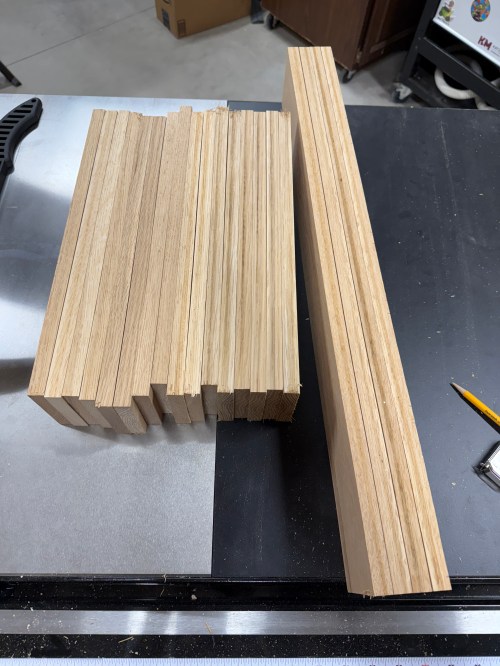
I realized I had measured the full width of the plates, which I don’t need since the storage racks are only at the bottom. After recalculating, I cut a bunch of the dividers and did a mockup, when I realized I could add another slot to hold the barbell collars. The extra spacing on the sides of the plates ended up being less than my original guess as well.
Then I to cut everything to size, and drilled a lot of holes.
The assembly process was complicated, since I had to individually square up and attach eight dividers. Then the other side needed to have glue applied to all eight dividers before getting 16 holes to line up.
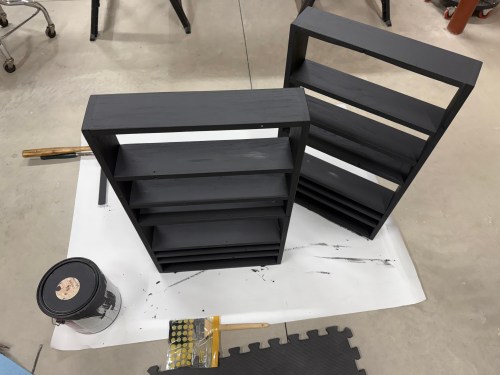
The second one is always easier and I was able to use the assembled rack as my 90° to clamp to.
More sanding and then black paint. Brushing on the paint with the oak’s grain pattern was a challenge, especially in some of the small gaps between dividers, so it took many coats.
The area looks a lot cleaner and the weights will be a lot easier to use.
Here are the final dimensions for anyone who wants to build their own:
All wood: 5/8″ thick and 3-11/16″ tall
Front and Back: 27-3/8″ long
Dividers: 15-1/4″ long
Gaps between dividers:
2×45#: 5″
2×35#: 3-7/8″
2×25#: 2-15/16″
15# + 2×10#: 5-5/8″
Metal 10#: 1-1/8″
Metal 2×5#: 1-1/4″
Collars: 2-5/8″
Everything will depend on the size of your plates though. I measured the thickness of our plates and ended up adding a half inch for the gaps, which feels good for moving the plates in and out.
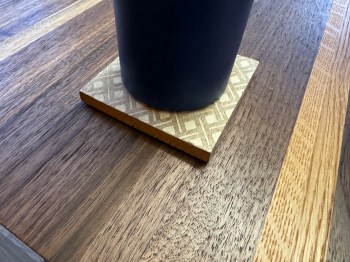
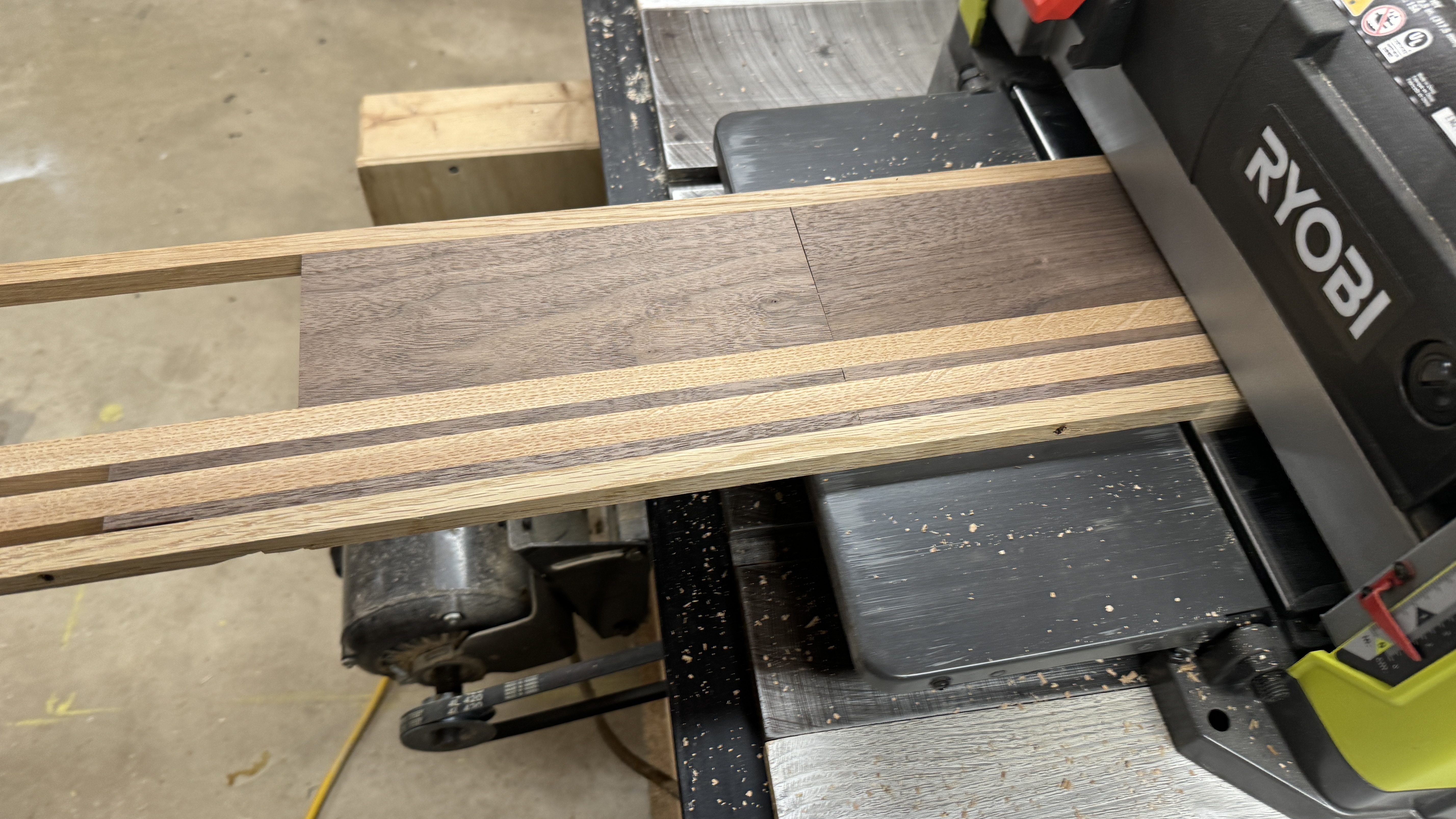
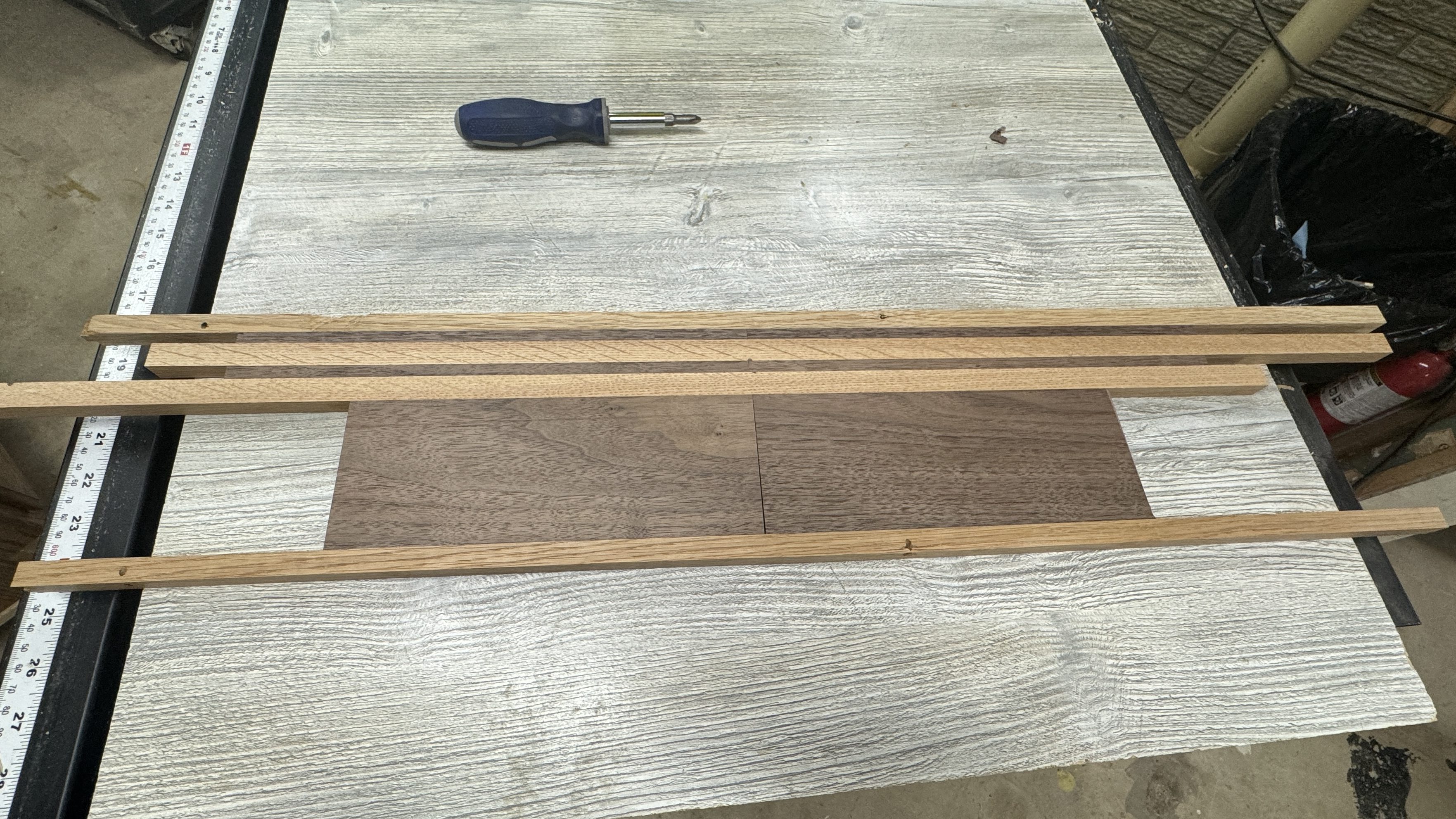
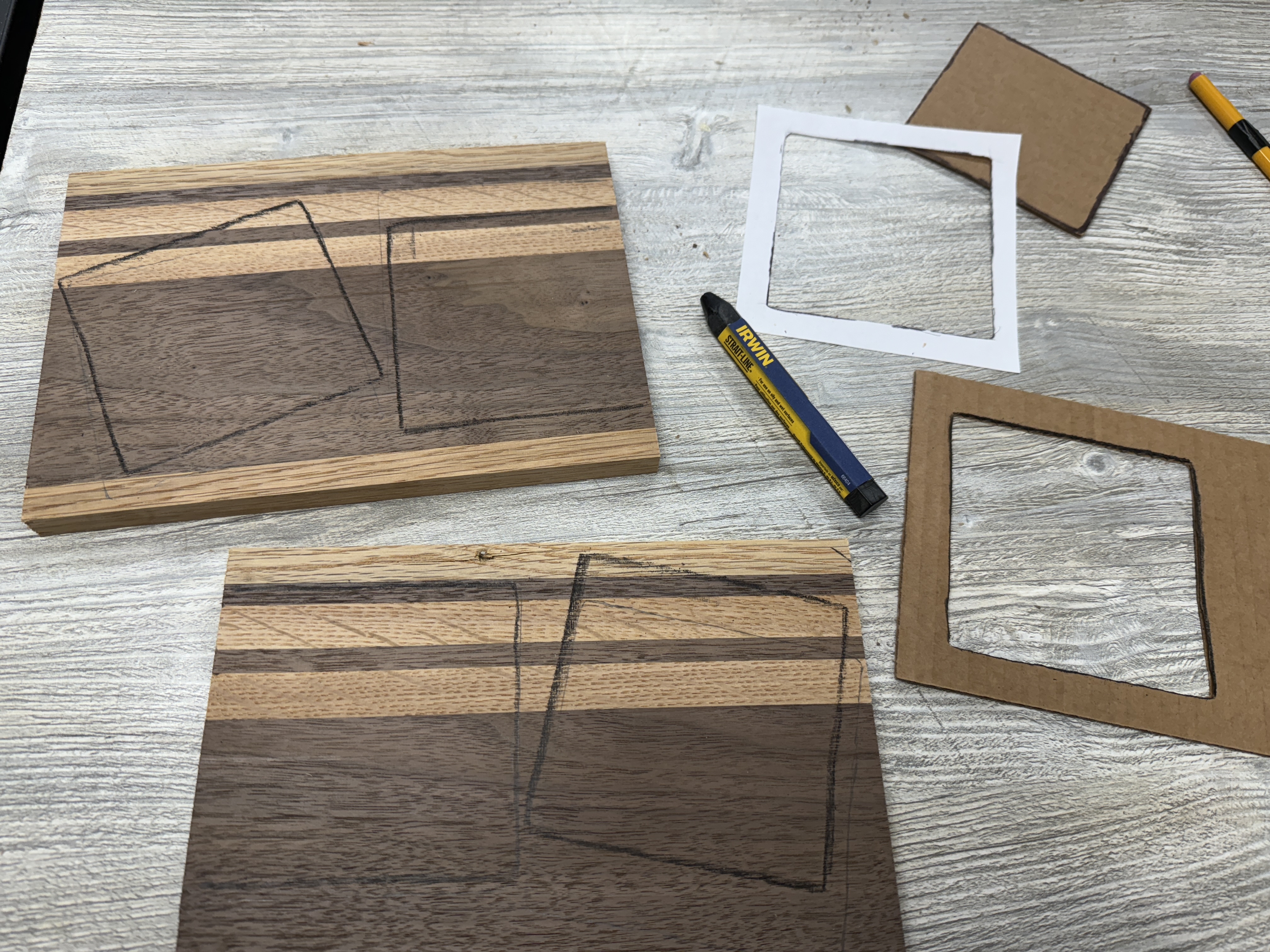
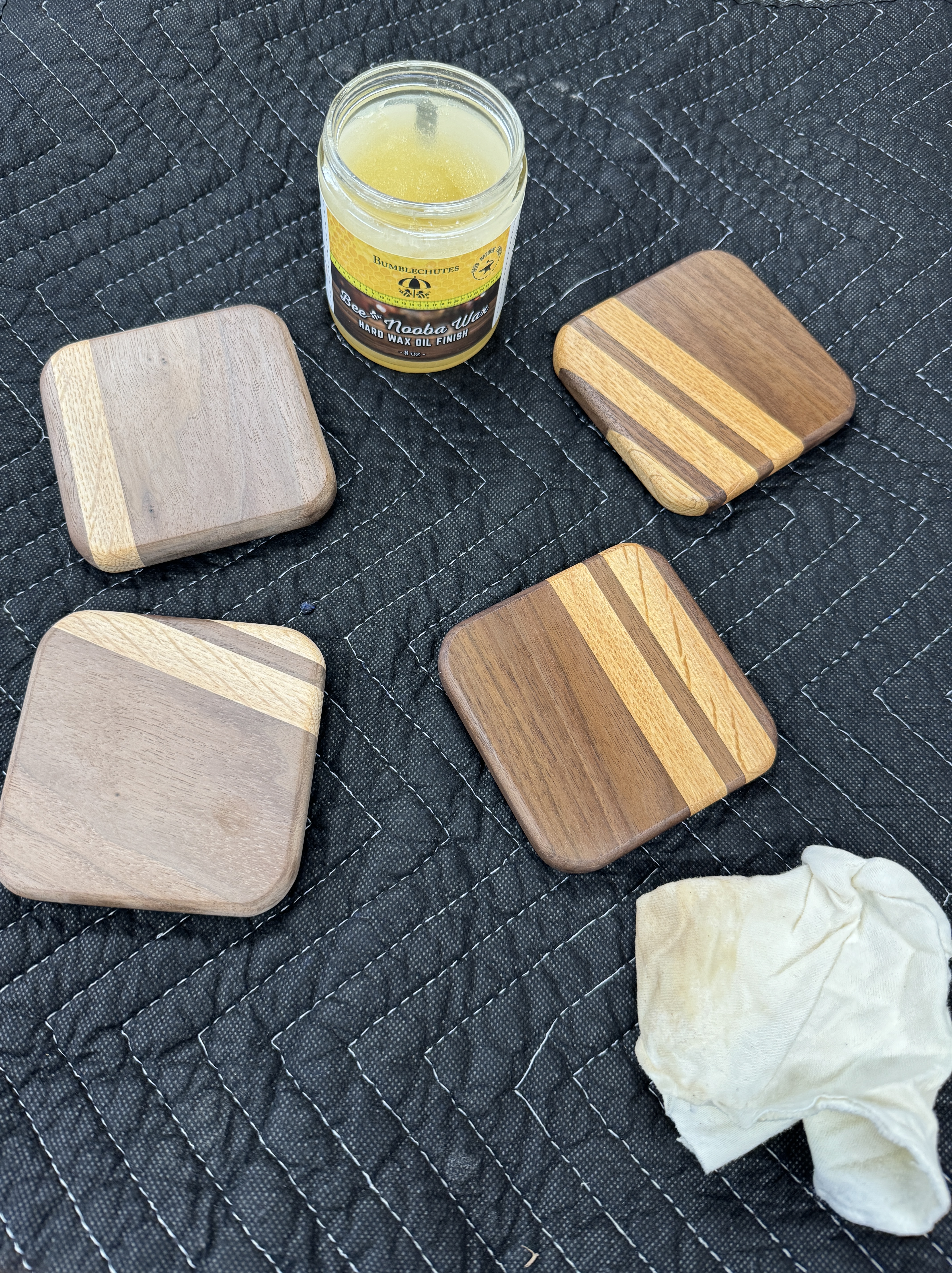
I’m loving my new desk. There are a couple of needed improvements though. First, I always have a water bottle, coffee, pop, or several on my desk when working, so I had grabbed this coaster from the living room. It bugged me all week.
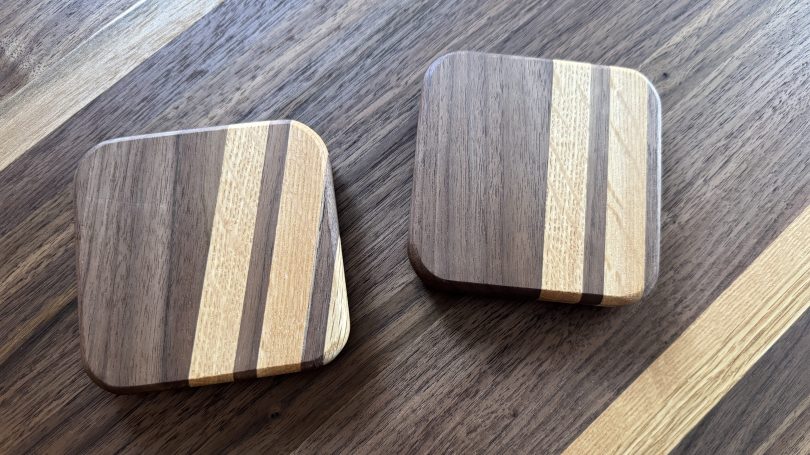
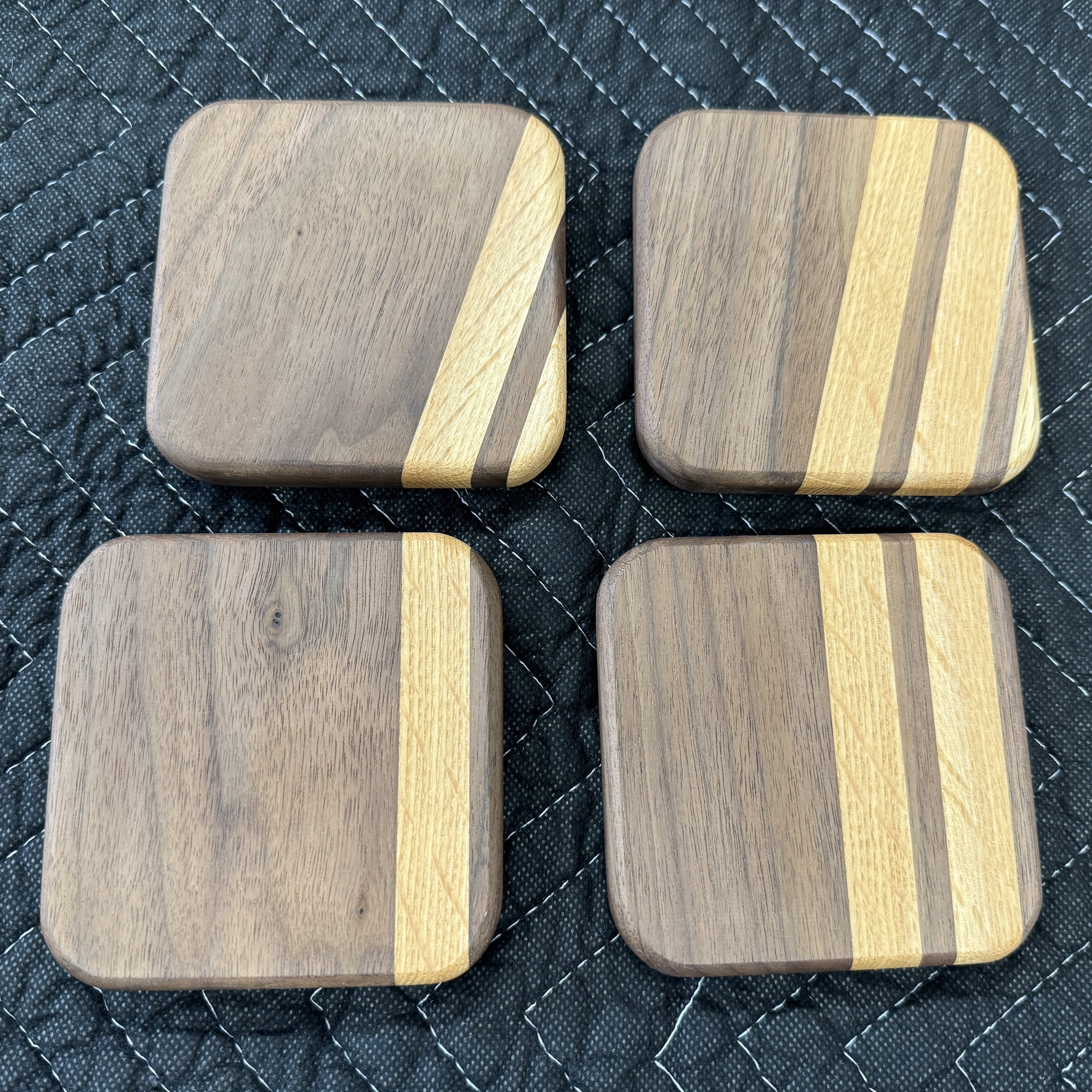
Can you believe I’d never made a set of coasters? Time to fix that.
This was a simple project and a lot of fun to knock out something small. I’ll keep two of the coasters in the office and put the other two in the living room.
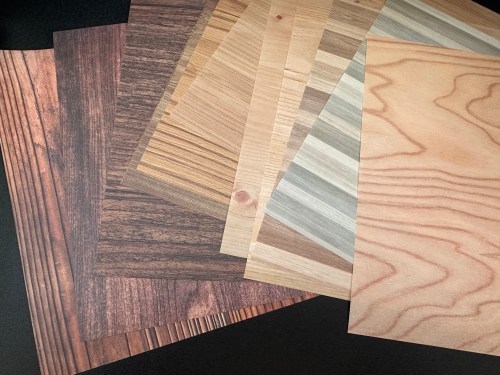
Today at work our larger Human Resources team had a social activity, which was learning some Origami. When I was searching Amazon for paper, this wood grain pattern pack was suggested and I didn’t hesitate.
From making paper airplanes I remember how hard it is to get proper half folds at the corners, and it was no different here. You also have no idea how something is going to turn out until the end. I love making things, so this was fun. I decided to challenge myself even more by keeping up to make two of each model.
I have a lot of the paper, so when I need to chill out from work, I’m going to try some of the other models. If you’d like to give it a try, check out the Origami Fun site, which has a lot of instructions.




































































 Nick Momrik