Playing Card Racks

Mom sent this photo and asked me to make a couple racks/holders for playing cards.
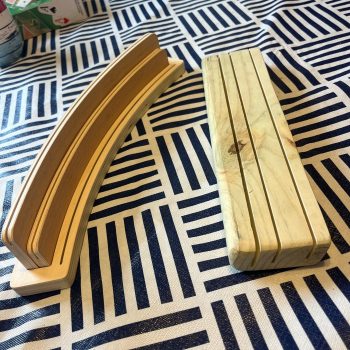
Sounded like a fun little project to put my spin on. At first I assumed the slots would need to be angled away from the player. The more I thought about it, the width of the slot should provide enough of a lean. I gave it a test.
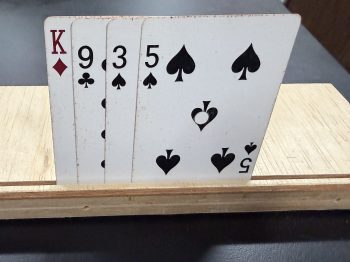
I was right, no angle needed. My next question was if you could see the cards in multiple rows, so I cut slots at several distances apart.
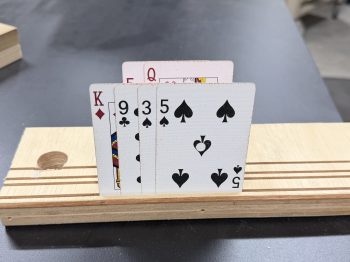
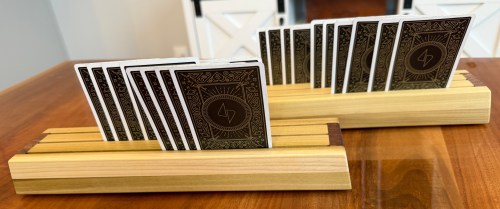
Not great. I had a hunch that differing heights would help and this made me confident. So I cut one slot deeper and tried it as the front row.

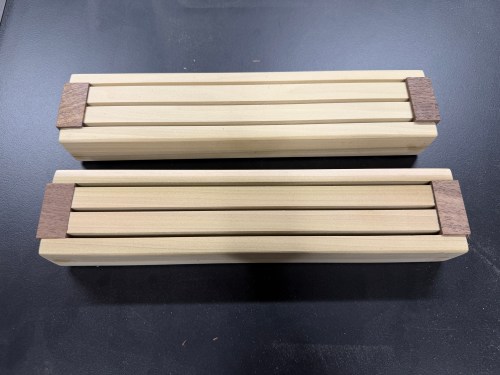
Yep! I grabbed a couple pieces from my lumber rack and marked slot spacing that could get me two racks, each with three slots.
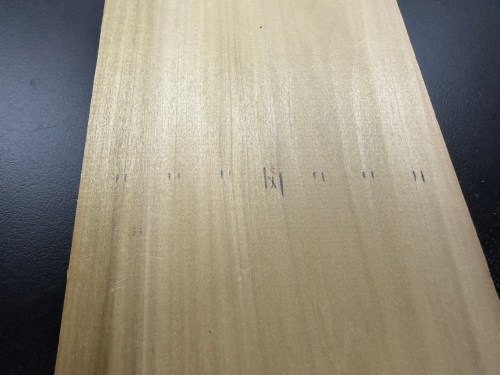
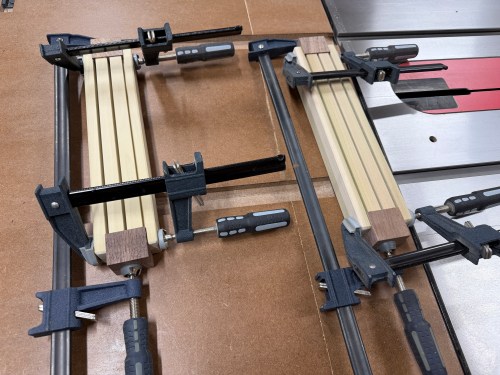
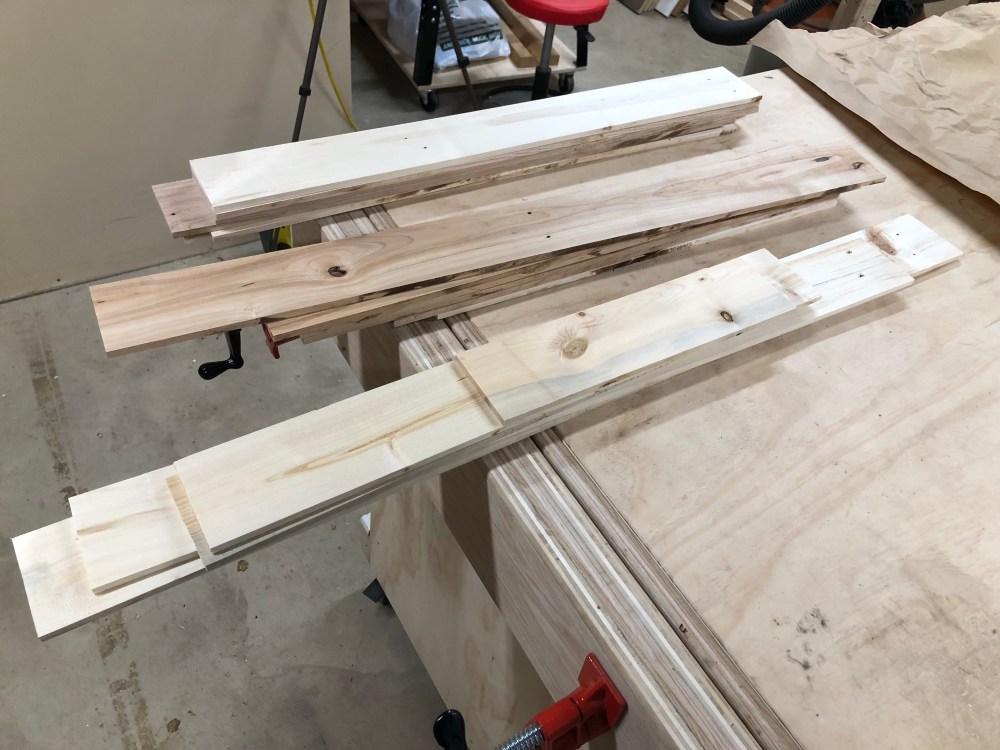
I laminated a couple of boards to give me enough height for the different slot depths.
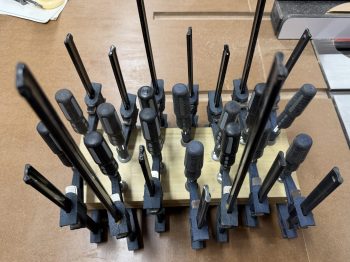
Then I squared up the edges, cut to length, and sliced down the middle. The dimensions are 12 x 2-5/8 x 1-1/2 inches.

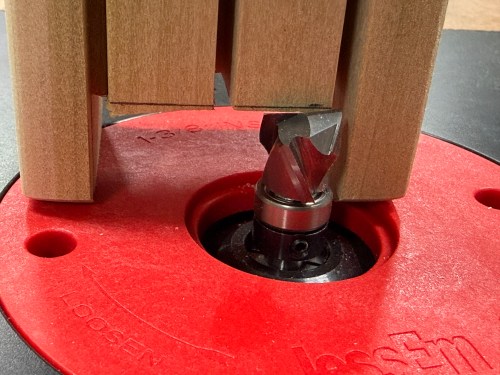
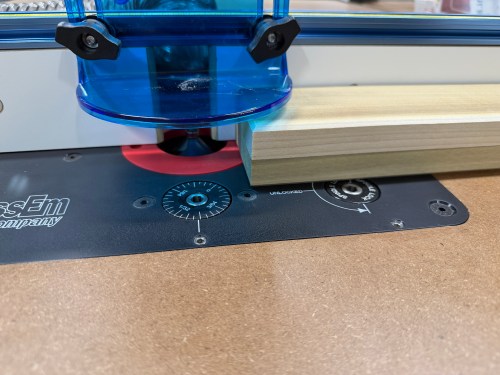
At my fancy new router station, I chamfered the edges.
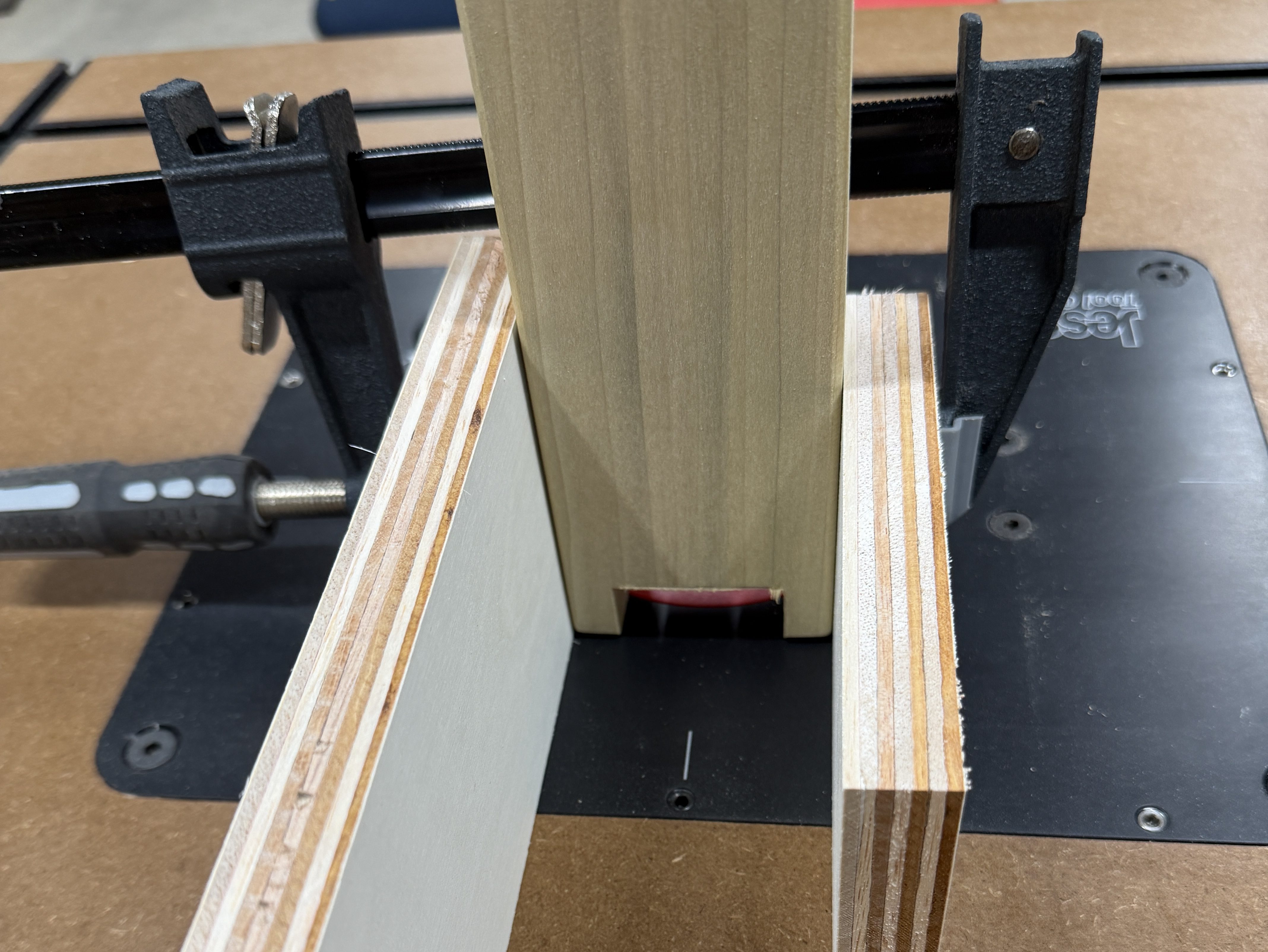
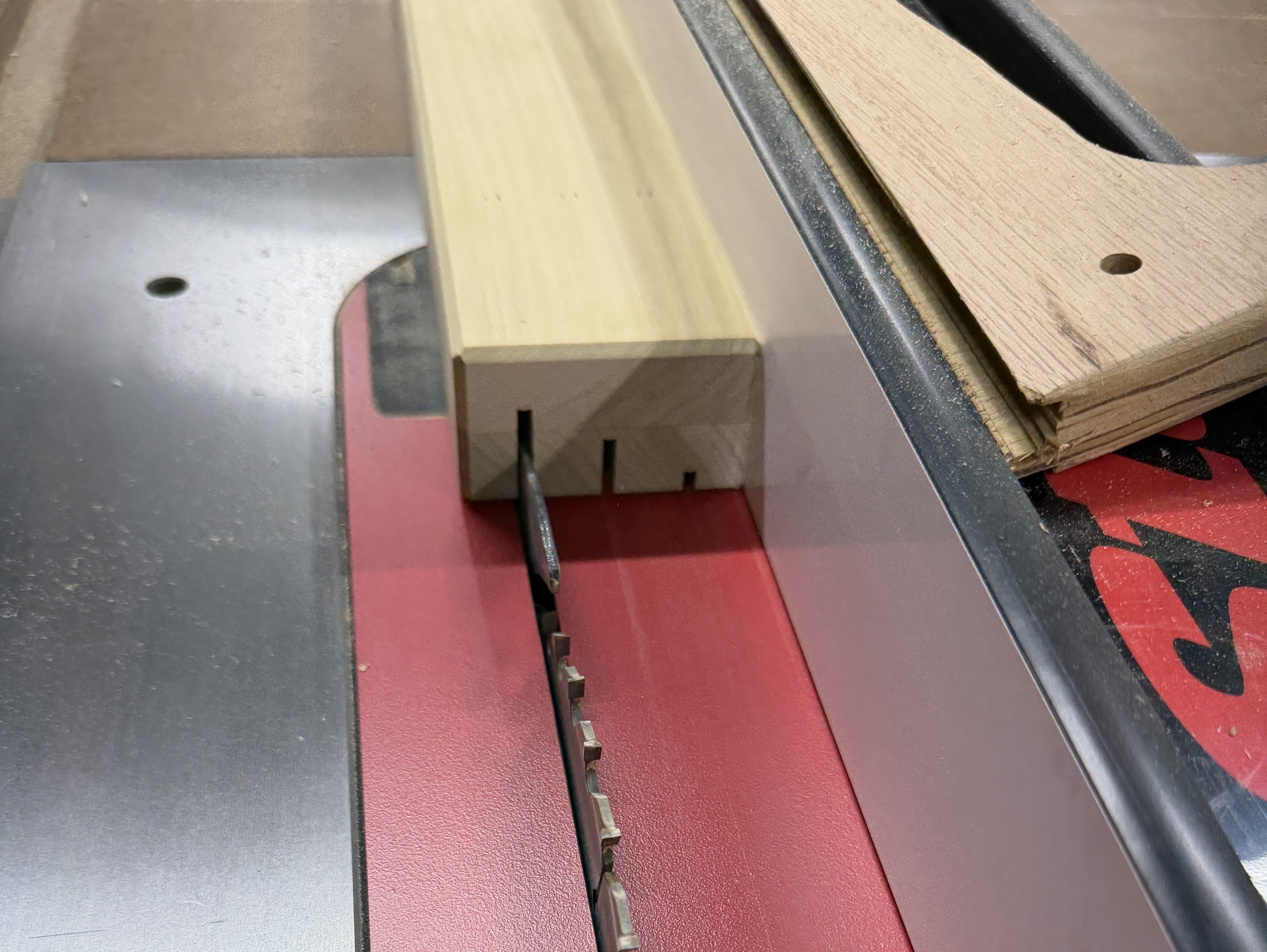
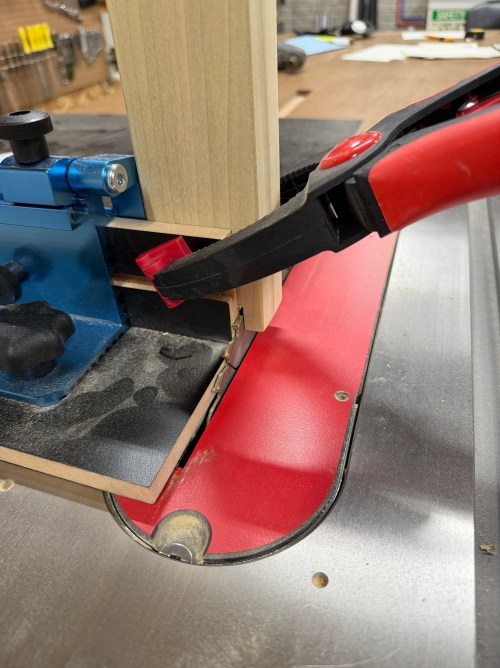
Finally, I cut the slots. The deck of cards I have in the shop are a bad example, since the numbers on most of the cards are lower than they should be. The slots are 1/4, 5/8, and 1″ deep, with 5/8″ of space in between.
I sanded with 80, 120, and 180 grits.

Something was bugging me and it hit me when I watched TWW’s video on making Greeting Card Holders. While his build was a bit different, this gave me an idea.

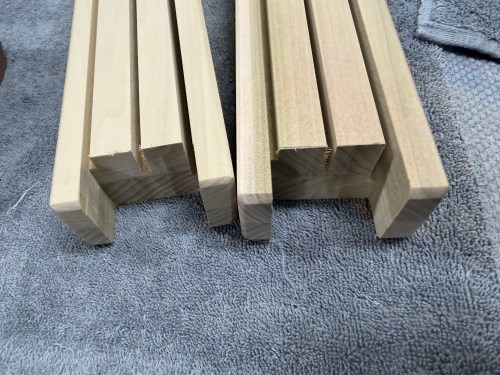
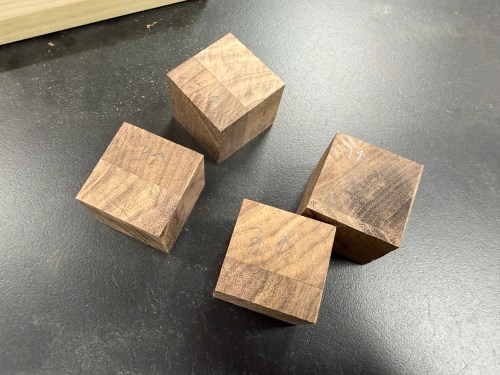
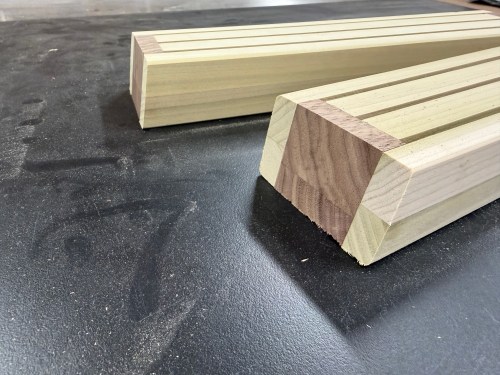
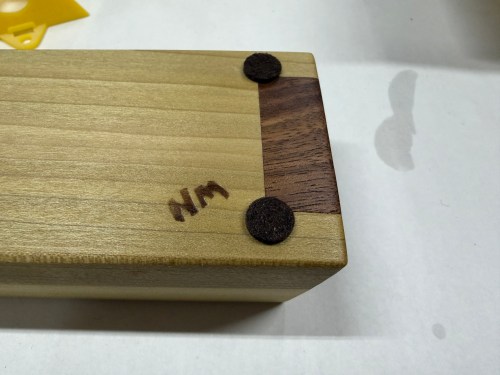
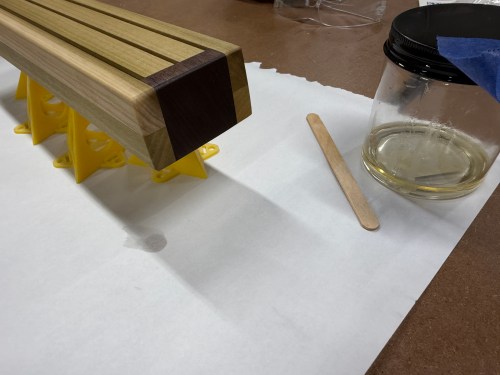
All the chamfers on my ends and the slot depths being visible was a bad look. So I cut out the middle section of each end, made black walnut fillers, glued them in, and trimmed them at a 10° angle to spice up the visual. I also added my NM stamp on the bottoms.
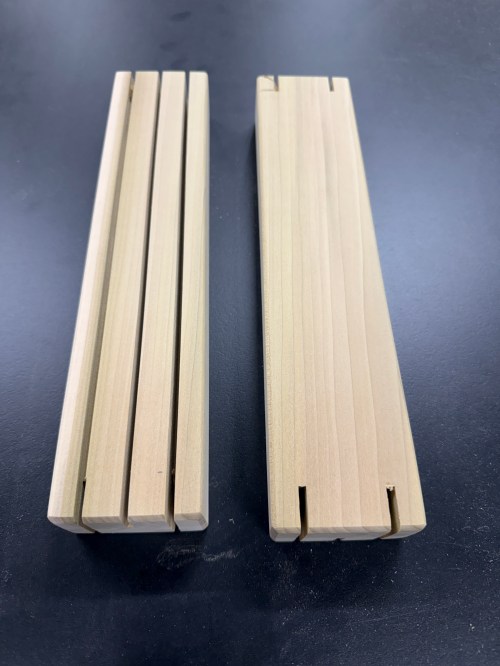
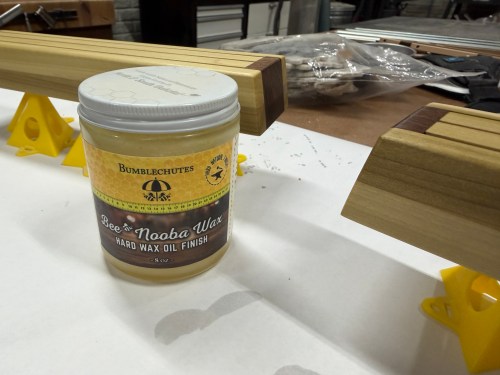
Much better! As a bonus this adds strength and will keep the cards from sliding out if the holder is picked up. I applied two coats of Bumblechutes All Natural Wood Finish and then Bumblechutes Bee’Nooba Wax. To finish them off I added felt pads to the bottom.
They turned out great and Mom is happy!

DIY Custom Michigan Rummy Board

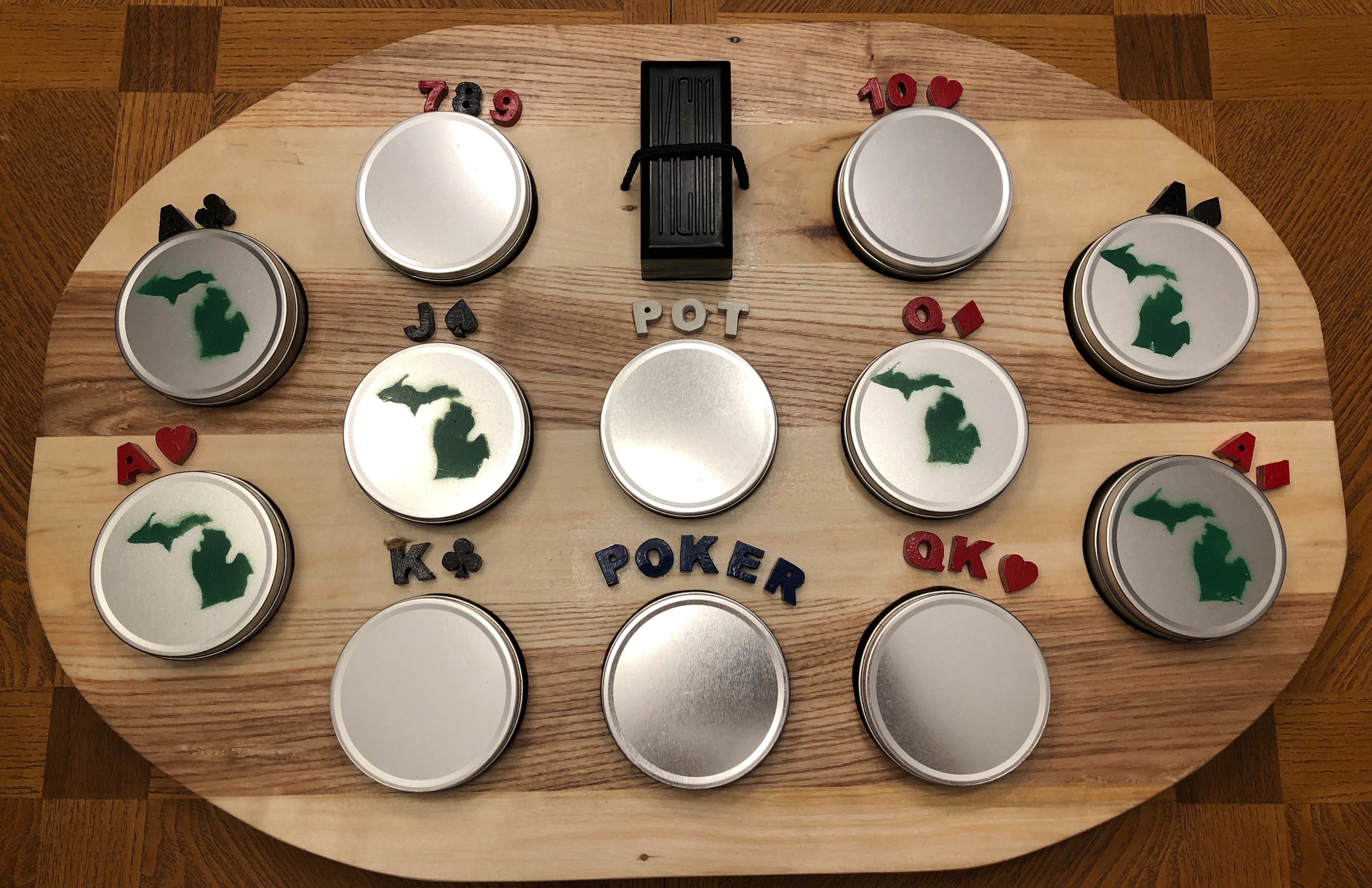
Our family always had fun playing our own version of Michigan Rummy (there is also a version called Tripoly) as kids. Then last year we played it almost every night on our family vacation, using a modified board. It gave me an idea to build a custom board for my Mom.

img_1210.jpg

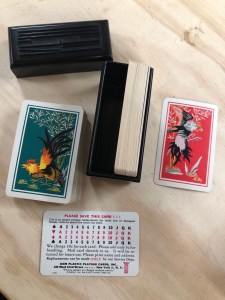
As soon as I saw this case with two decks of cards at an estate sale several months ago I knew it would be neat for the board. I think I paid $1. The copyright date is 1947!

img_1157

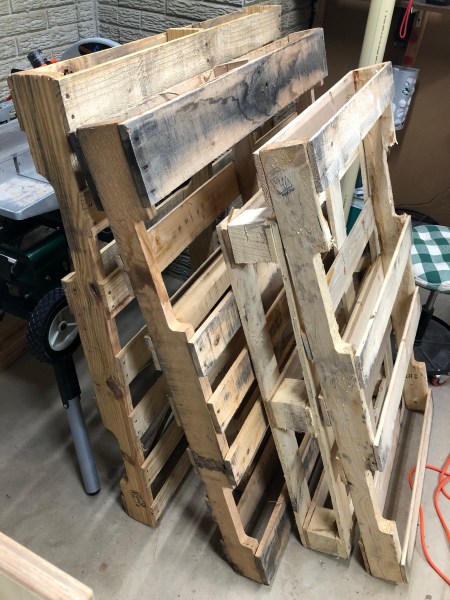
I’ve been wanting to build something with pallet wood and thought it would give the board a neat look. You can get free pallets all over by looking on Facebook Marketplace or Craigslist.

img_1137

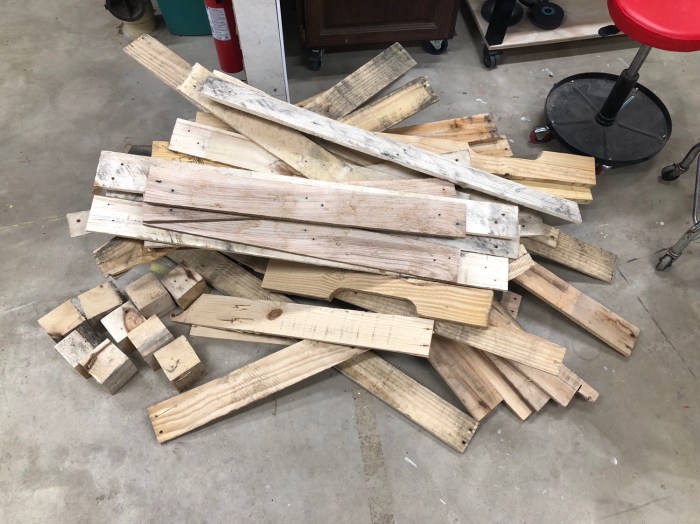
With the help of my pallet buster and some brute force, I broke down the pallets.

img_1154

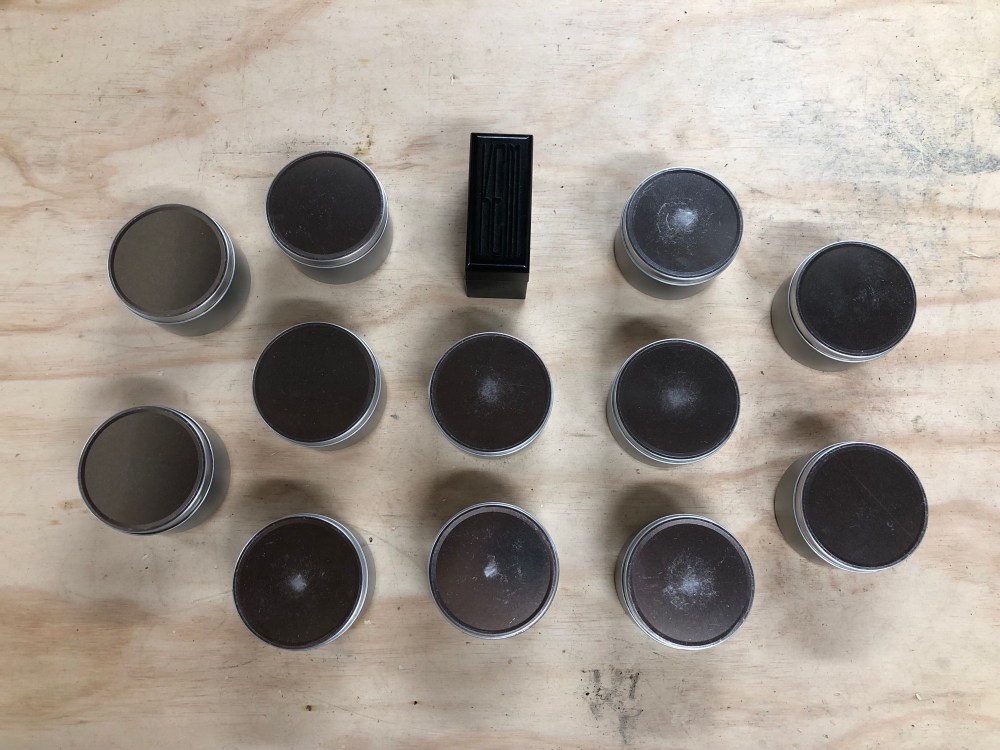
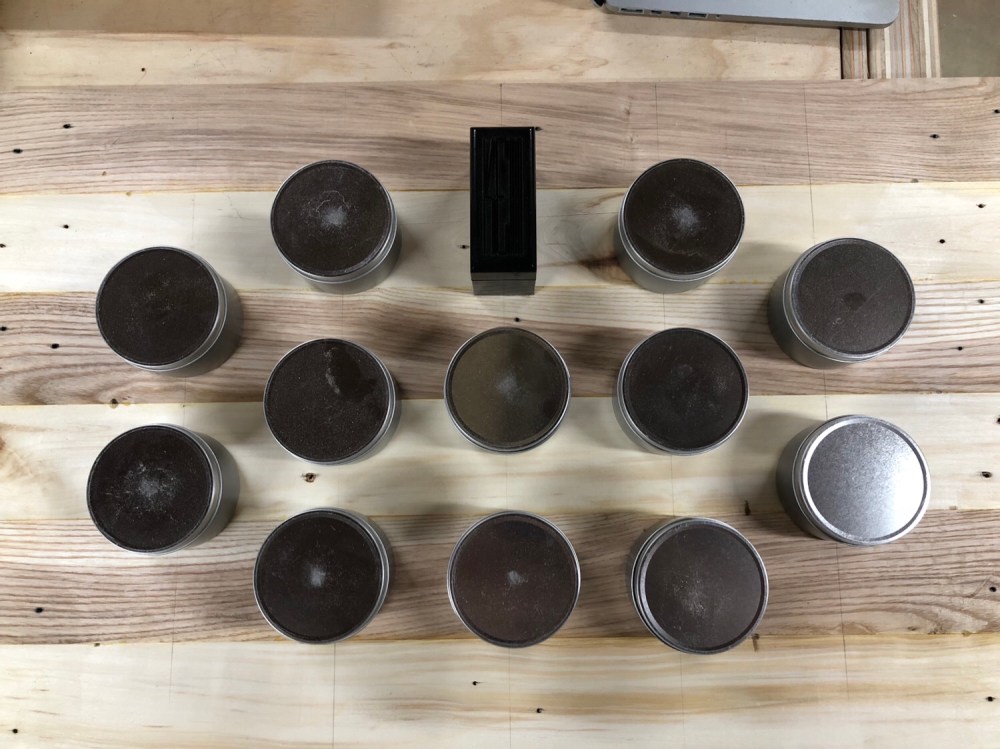
These containers with covers are from Menard’s, free after rebate. Another perfect piece for the project. I laid everything out to get a feel for the size.

img_1155

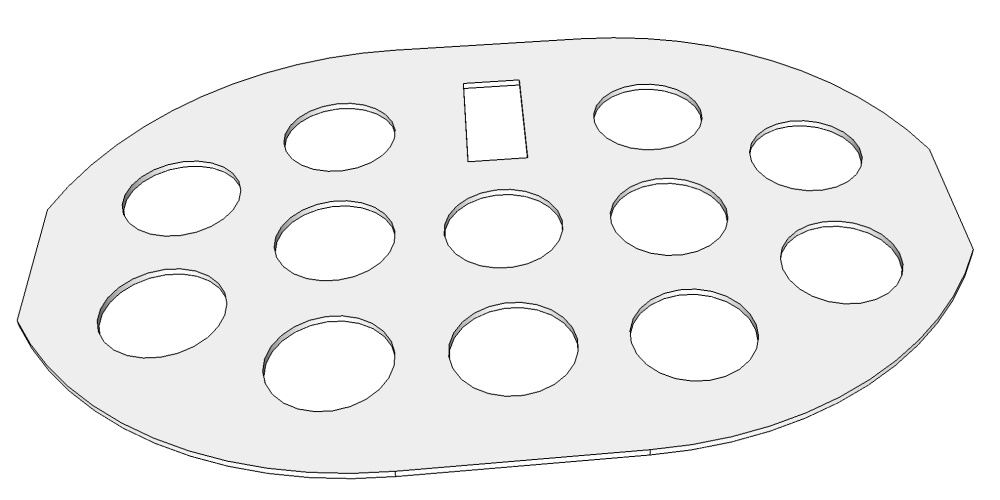
After taking measurements, I mocked up a 3D model of the board’s top layer in SketchUp (download on GitHub). It would be about 24×16 inches.

mi-rummy-model

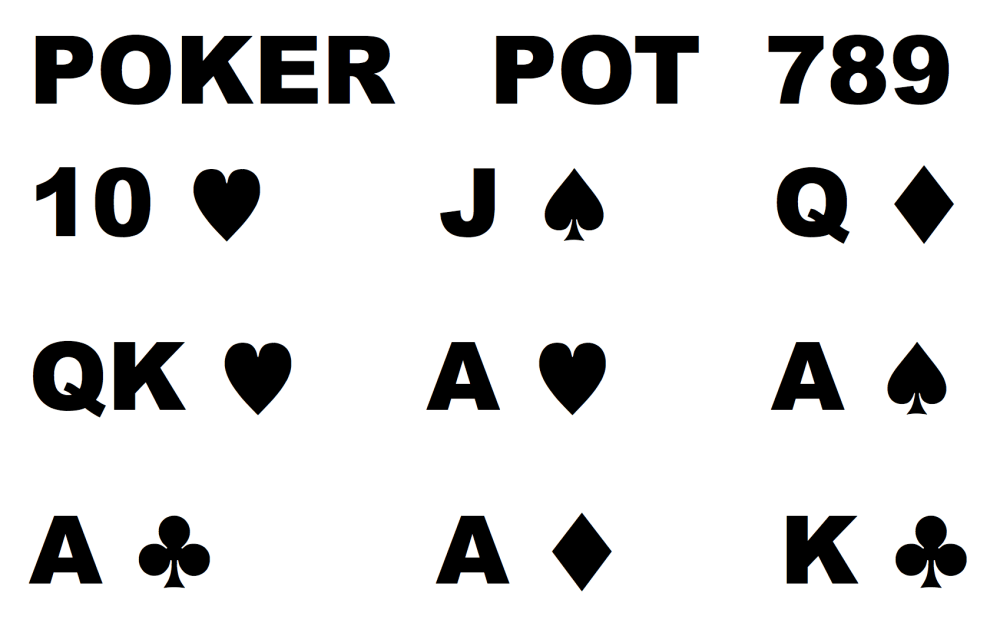
I also printed out the text using Arial Black for the letters/numbers and Futura for the suit symbols.

Screen Shot 2018-07-04 at 10.41.01 PM

I trimmed, planed, and jointed a bunch of boards.

img_1158

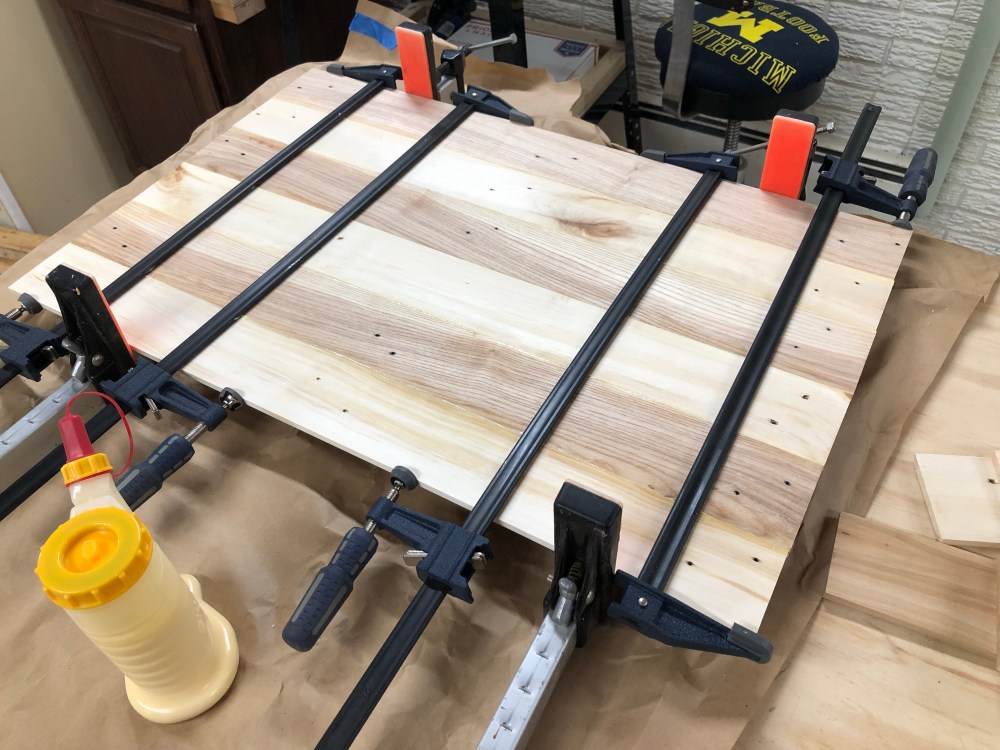
Then glued up panels that would make the top and bottom of the board.

img_1159

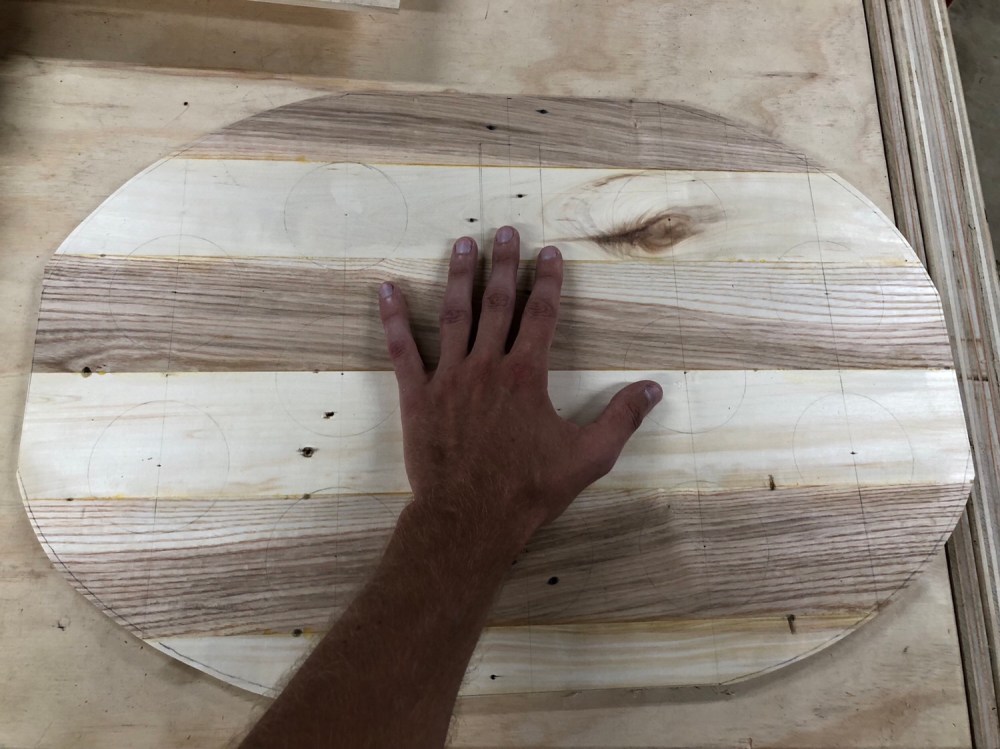
I measured and marked a bunch of lines and then placed everything where it would end up to get a better feel for the size and layout. I liked it.

img_1160

I finished drawing in more details and did a rough cut of the outer shape with my band saw.

img_1161

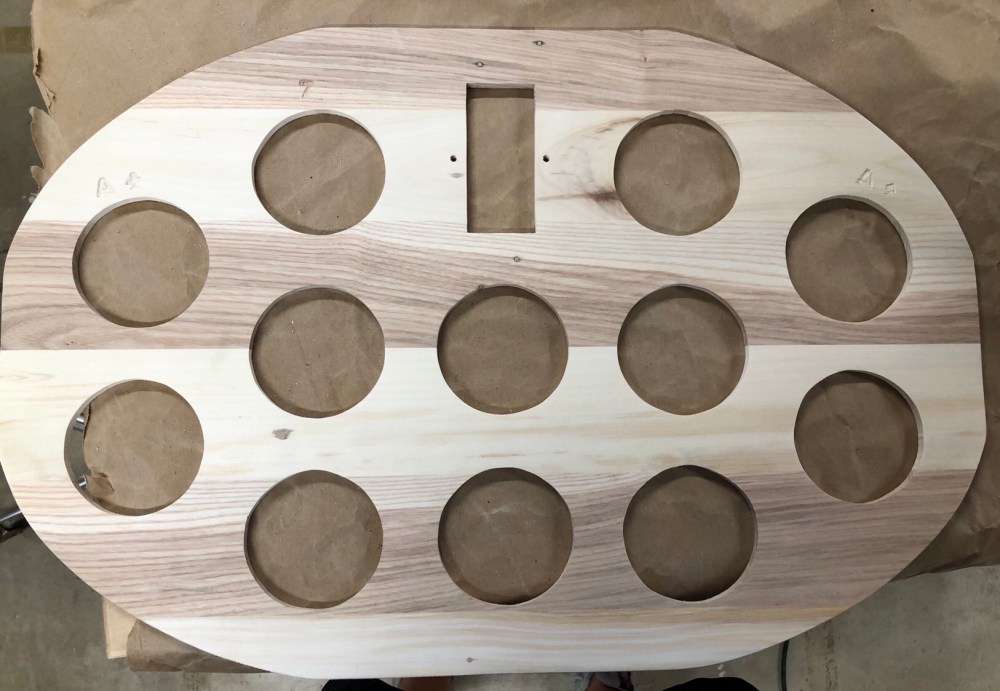
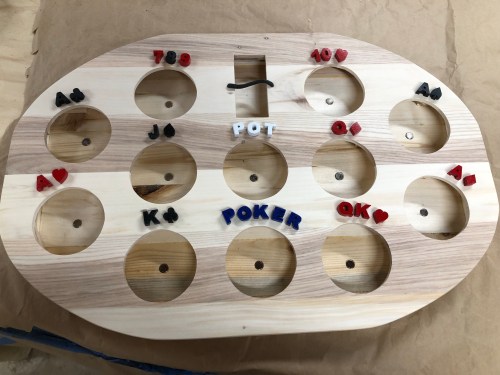
The scroll saw got heavy use cutting everything out. I also cleaned up the holes and edges with various sandering. You can see a couple of places where I started to carve in the text. It didn’t take long to scrap that plan though; it was going to take forever and some of the wood was really soft so I wasn’t happy with how it would turn out.

img_1165

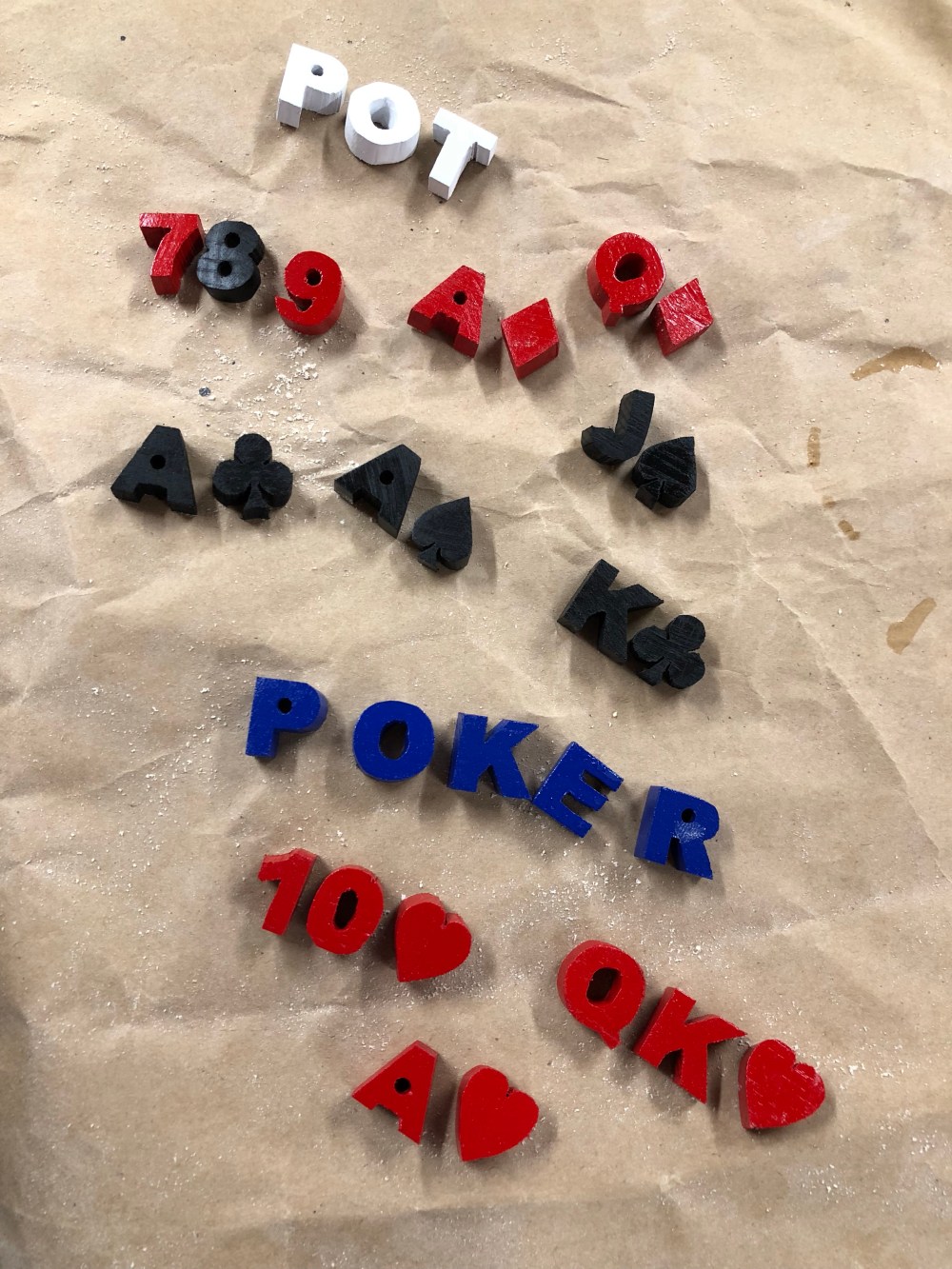
I decided to use raised letters that I’d glue on. After doing a bunch of work, I realized this would be much better because the containers would be up above the board, so it would have been hard to see the recessed lettering.

I used the band saw to cut all of the letters. More sanding to clean them up and then some spray paint.

img_1167

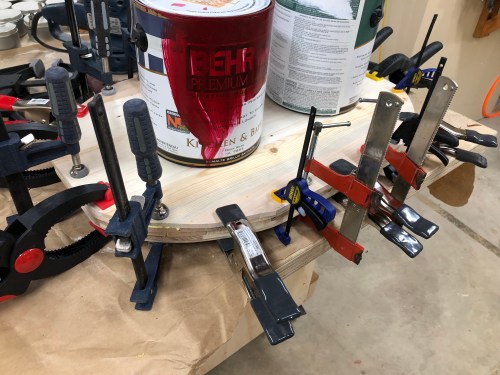
I didn’t get any pictures of the next steps, which probably took the longest. I used a bunch of the cutoffs to build up an outer support ring as well as eight stacks in the middle to prevent something heavy from breaking the top or bottom panel. There was a lot of gluing, clamping, and band saw trimming. Finally I had enough layers and I was able to glue on the bottom panel.

img_1197

After the glue dried I did a lot of sanding on every surface. I had tied in a piece of bungie cord earlier that would hold the card case in place. Then I drilled shallow holes so I could glue in (with epoxy) rare Earth magnets to hold the containers in place. I used CA glue to attach all of the lettering.

img_1201

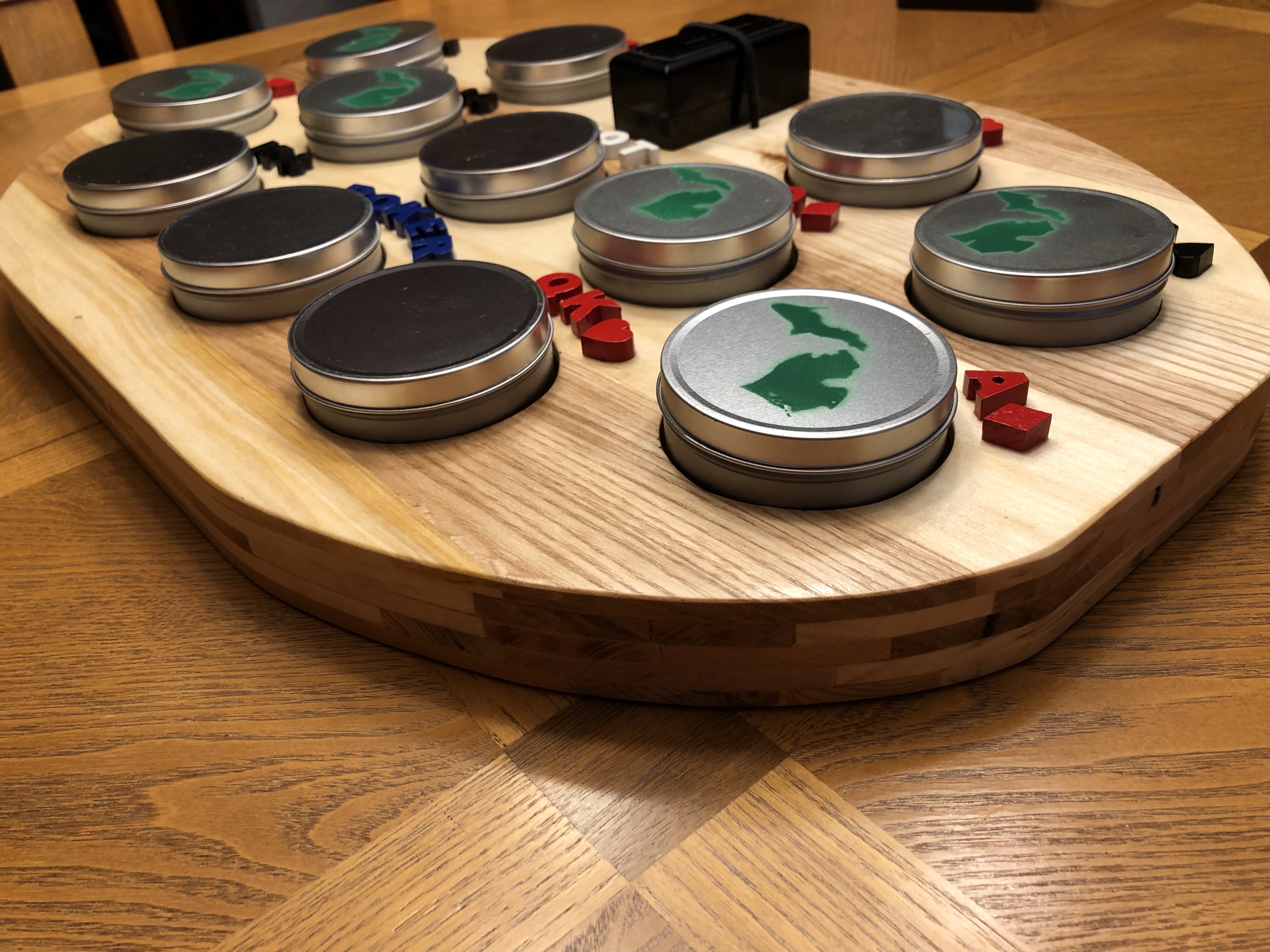
It was finally time for some finish. I used three coats of shellac (with light sanding after each coat) and a coat of wax polish. I spray painted the Michigan map on half of the containers and gave them two clear coats. The last thing was to stick some of those felt pad circles to the bottom and it was done. I really like how this turned out.

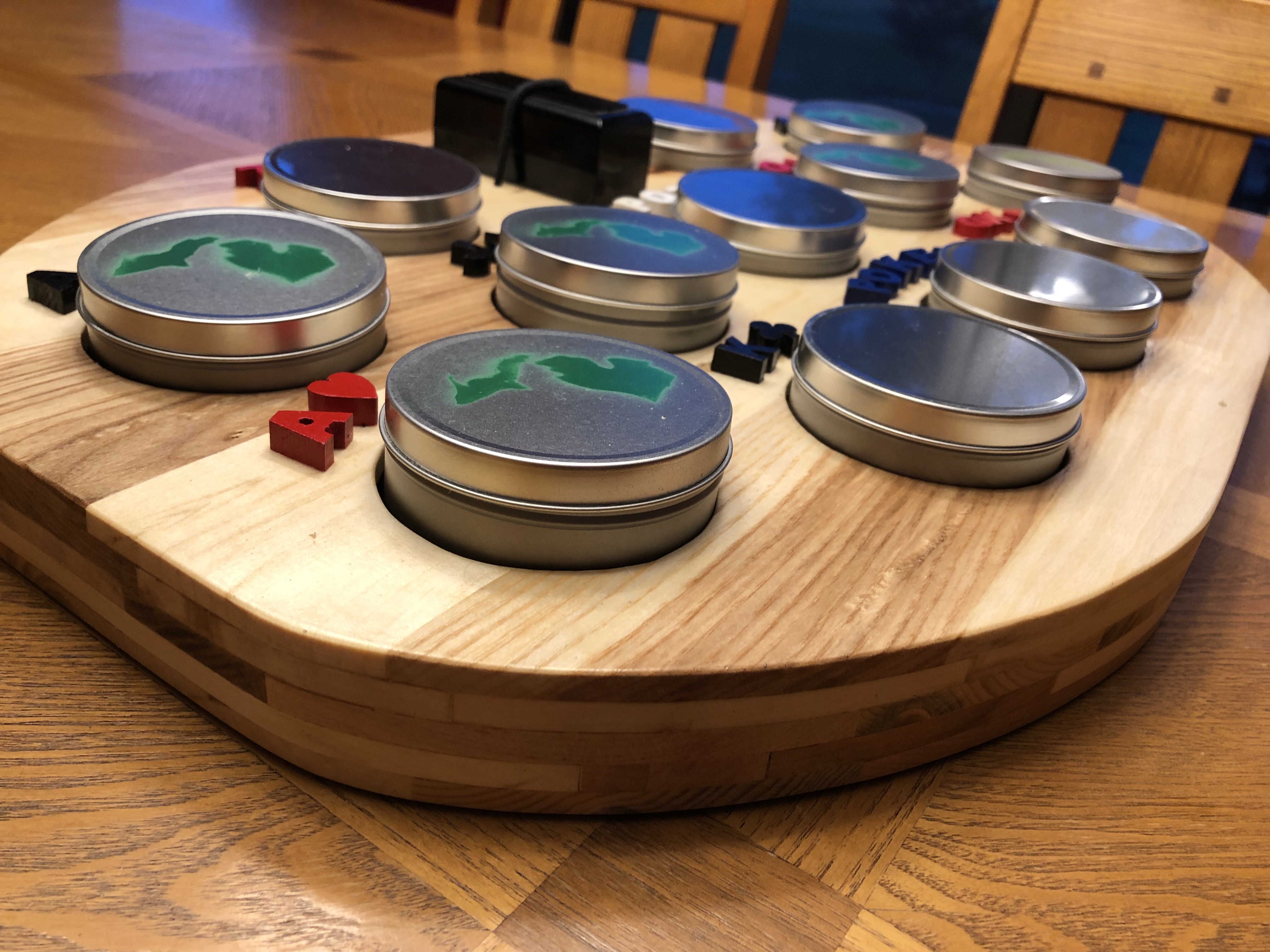
img_1210.jpg

The layering you can see from the sides is a neat look.

WordPress Plugin: Card Converter

Card Converter is a WordPress plugin with poker bloggers in mind, but it can be used by anyone who would like to display playing cards in posts and comments. It will take card abbreviations such as Ad (meaning Ace of diamonds) and convert it to a CSS graphical-like representation of the card. Inspiration for the plugin came from Chris Halverson‘s Pokerhand plugin and the CSS cards on the World Poker Tour Fan Site.

The plugin has moved to the WordPress Plugin Repository. All development and files will be available there from now on.