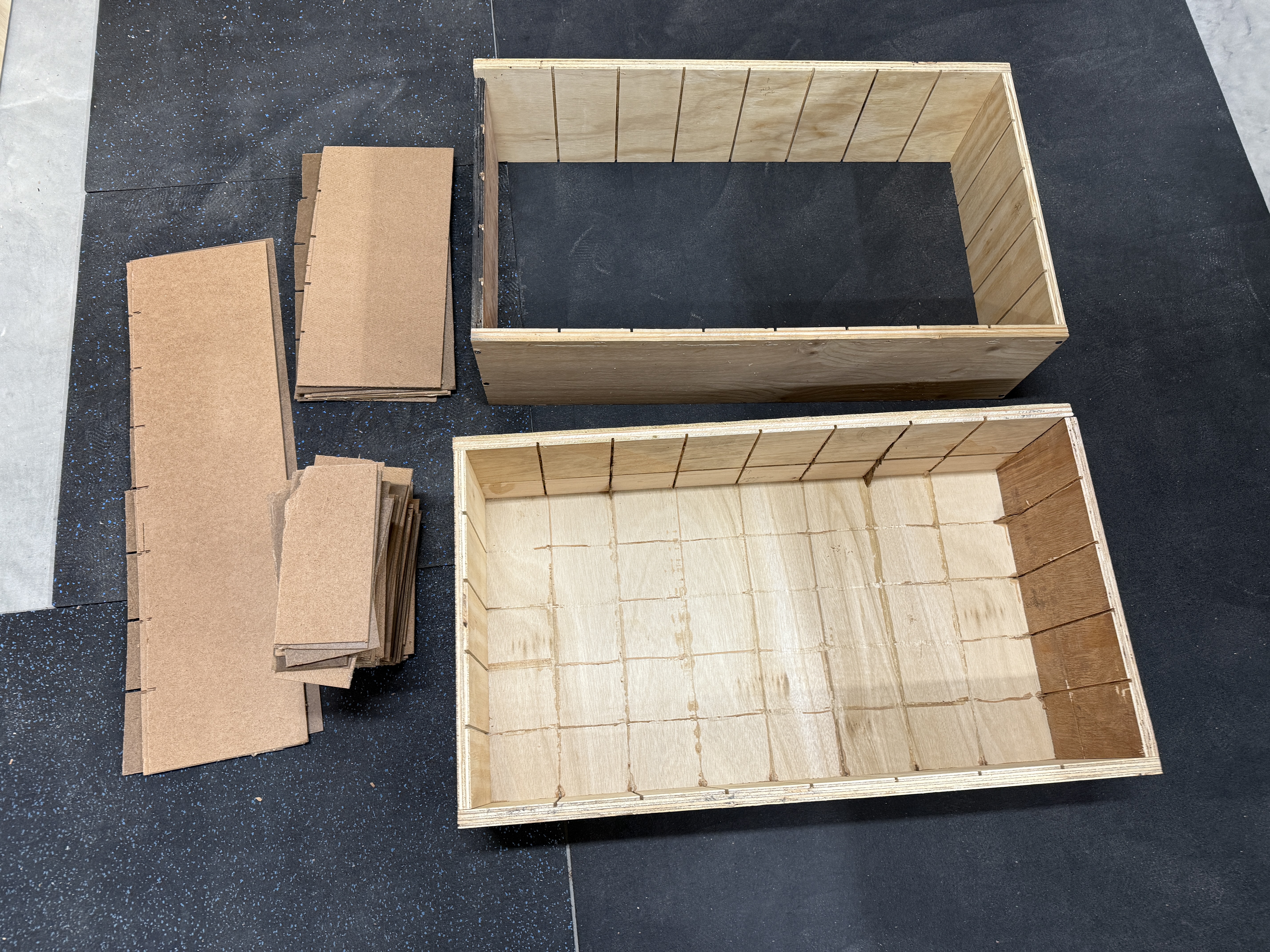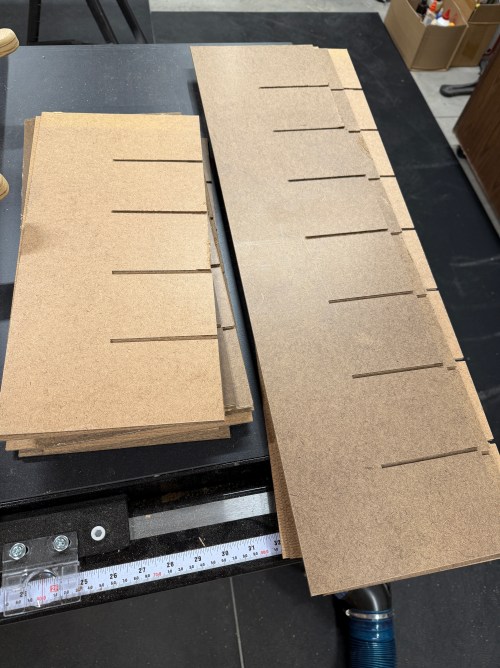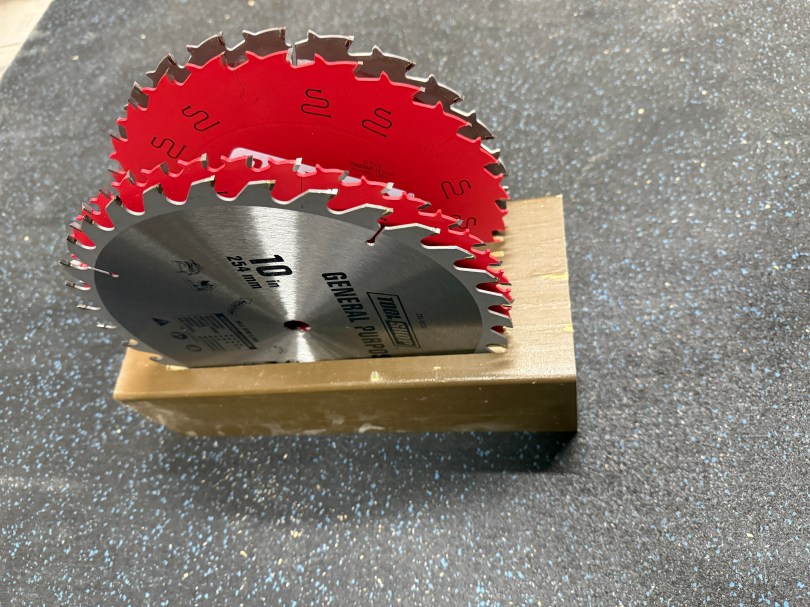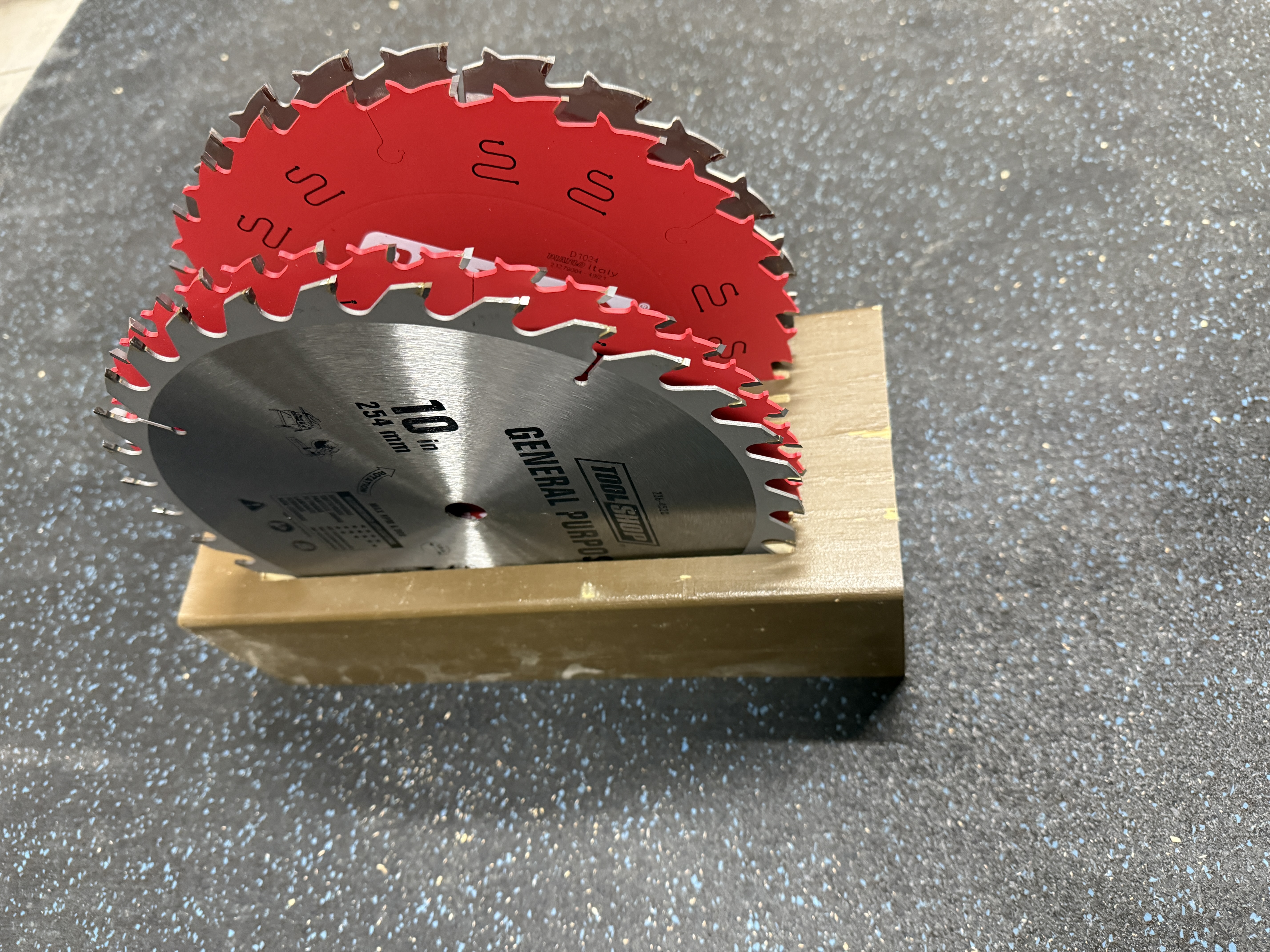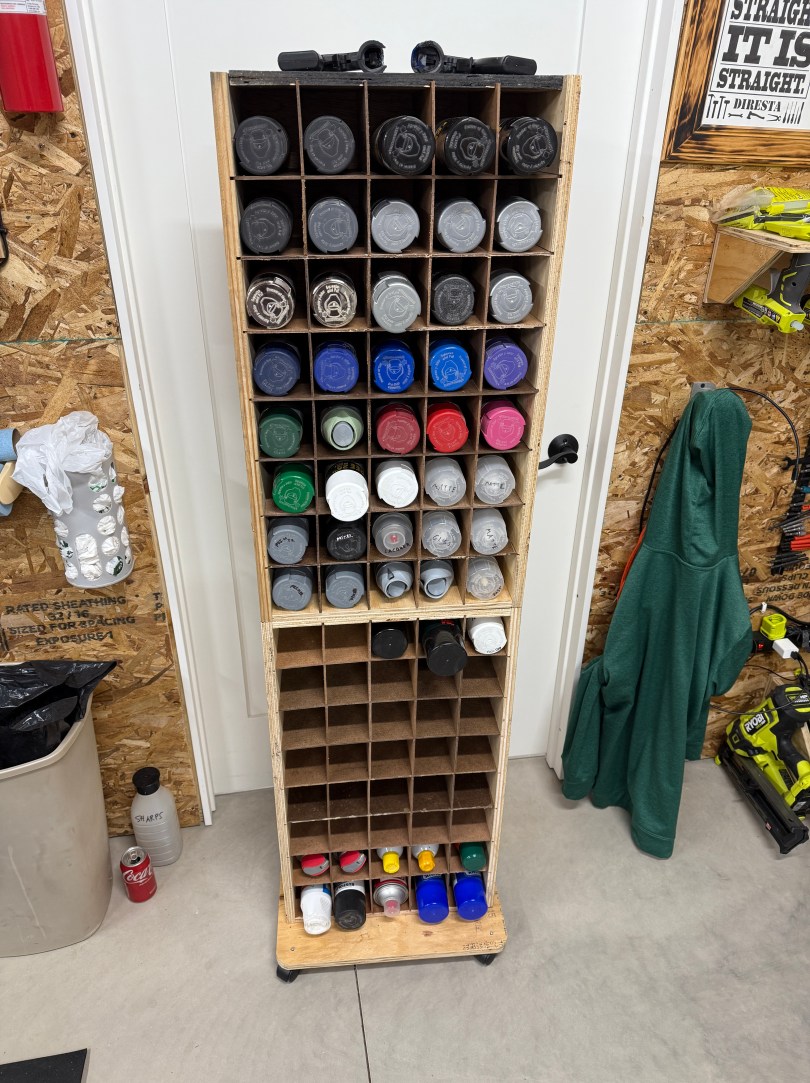
Before I make the outfeed table for my table saw I figured I would work on things to organize everything for the saw. There is a big open space under the right wing, so I’ll be making a cabinet to hold the sled, jigs, blades, and accessories. I had an idea for a saw blade holder, so I took a chunk off an old 6×6″ post, cut some slots, and trimmed the height and length.
I’ll give the holder some sanding around the edges, but otherwise this is done. It’s nice when a build goes according to plan, especially a quick shop project.
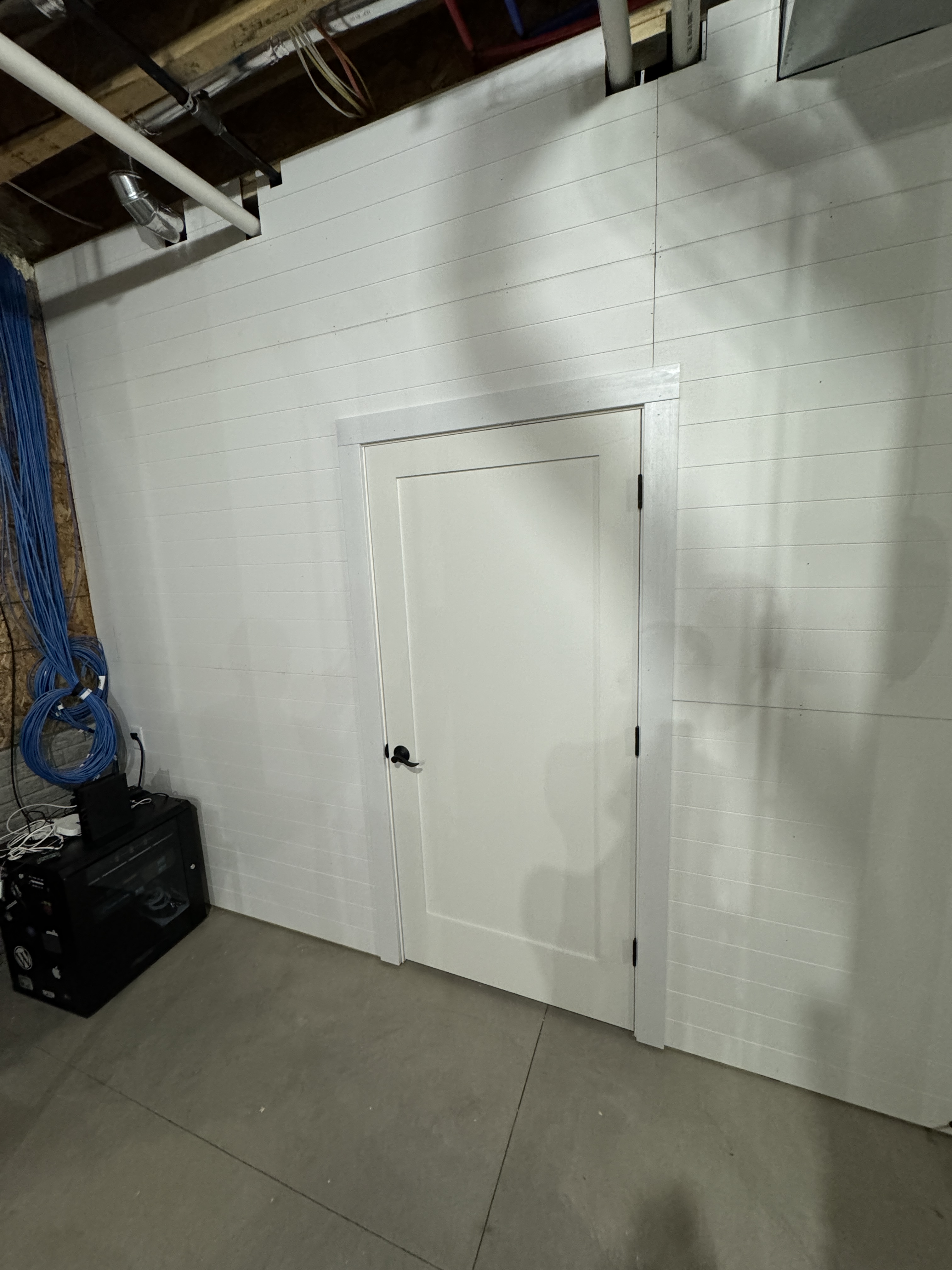
A week after moving in, Dad came down and we built a wall in the basement to close off the workshop and keep sawdust contained. I eventually finished the rest of the show side of the wall and added trim to the door.
The Cat6 cables and networking rack are a project I hope to tackle over the holidays.
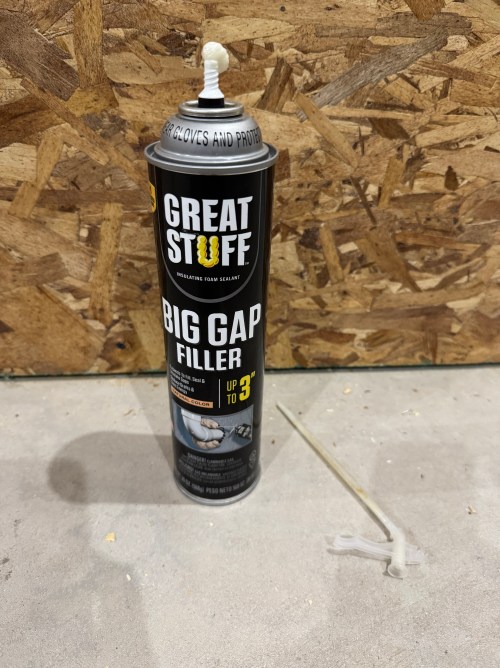
In order to keep as much dust as possible in the shop, I bought a can of spray foam to fill gaps around pipes, ducts, and beams. Since I hade some large gaps, I had to do two applications. I used wider painter’s tape to hold the foam back (picture below was taken during round two).
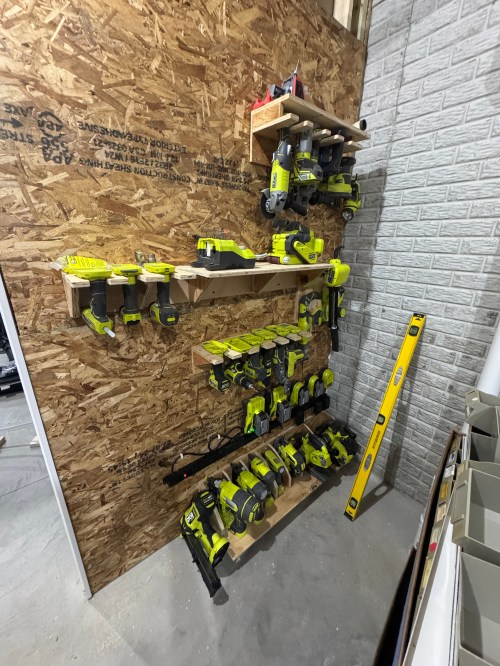
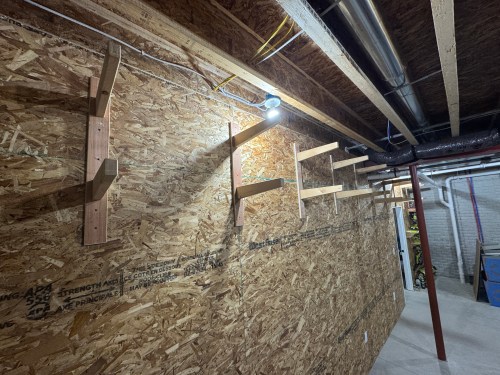
Then I wired all of the shop outlets and put up OSB for my wall material. It was a cheap option at about $15 a sheet, while allowing me to screw lighter things anywhere. The first things to go on the wall were all of my Ryobi storage, since the tools had been scattered across the floor for weeks. I absolutely love the 10 foot foundation, which allowed me to put wood storage high and out of the way.
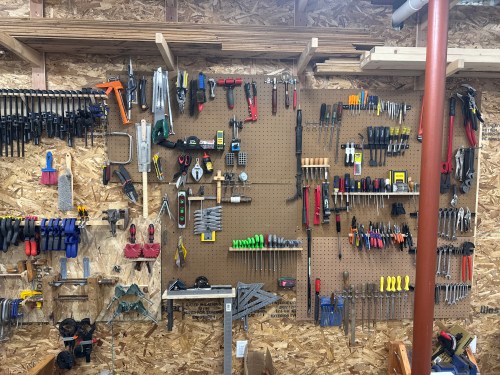
I put up my clamp racks and emptied a lot of boxes to organize my tool wall. The Allen key holder was a quick side project.
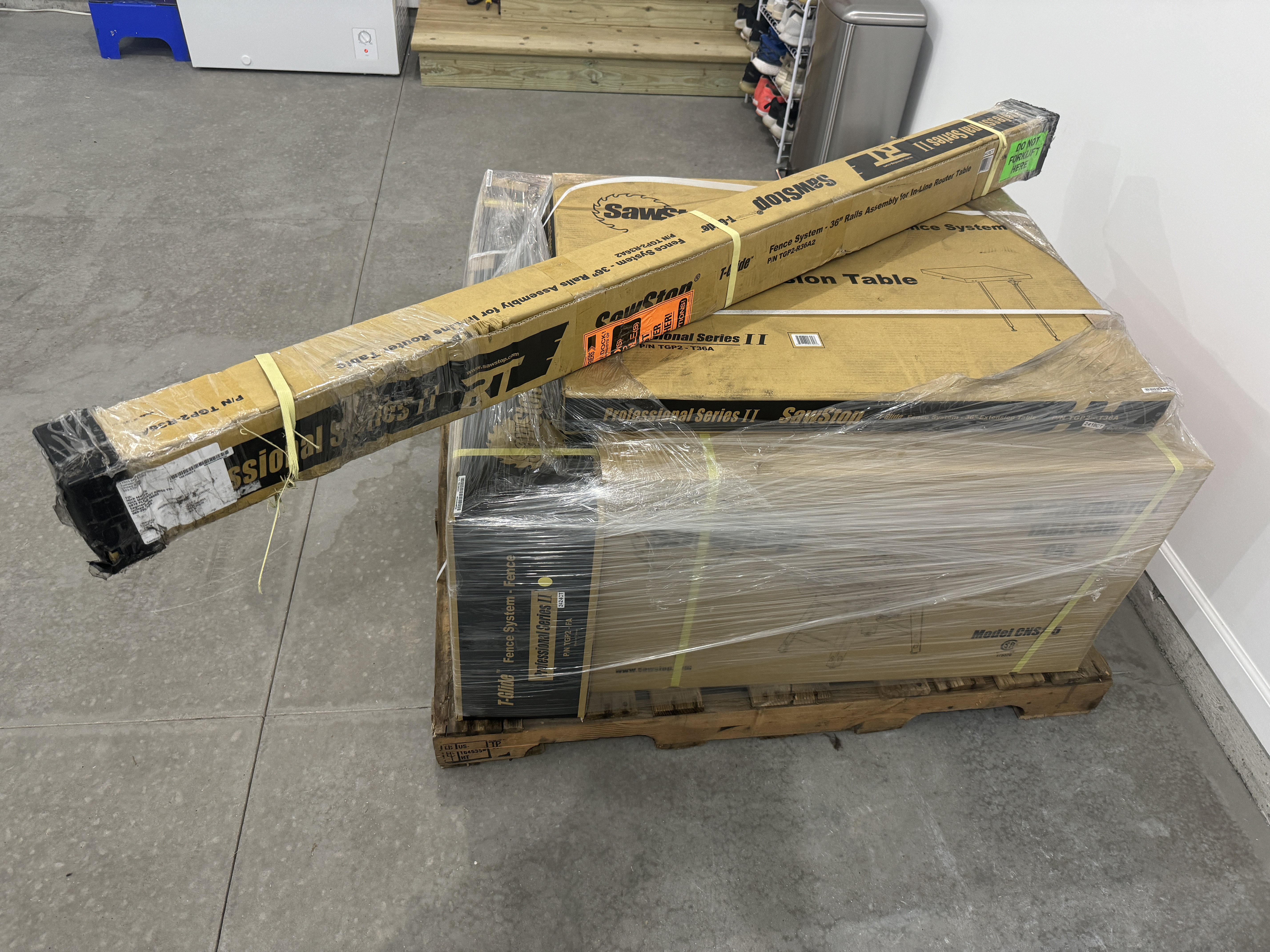
I had wanted a SawStop for years and the move seemed like good excuse to sell my old Craftsman table saw instead of hauling it to a new basement. I bought SawStop’s Contractor Saw with the 36” T-Glide Fence Assembly, Mobile Base, and Cast Iron Wings. She’s a beauty, a joy to use, and the safety features can’t be beat.
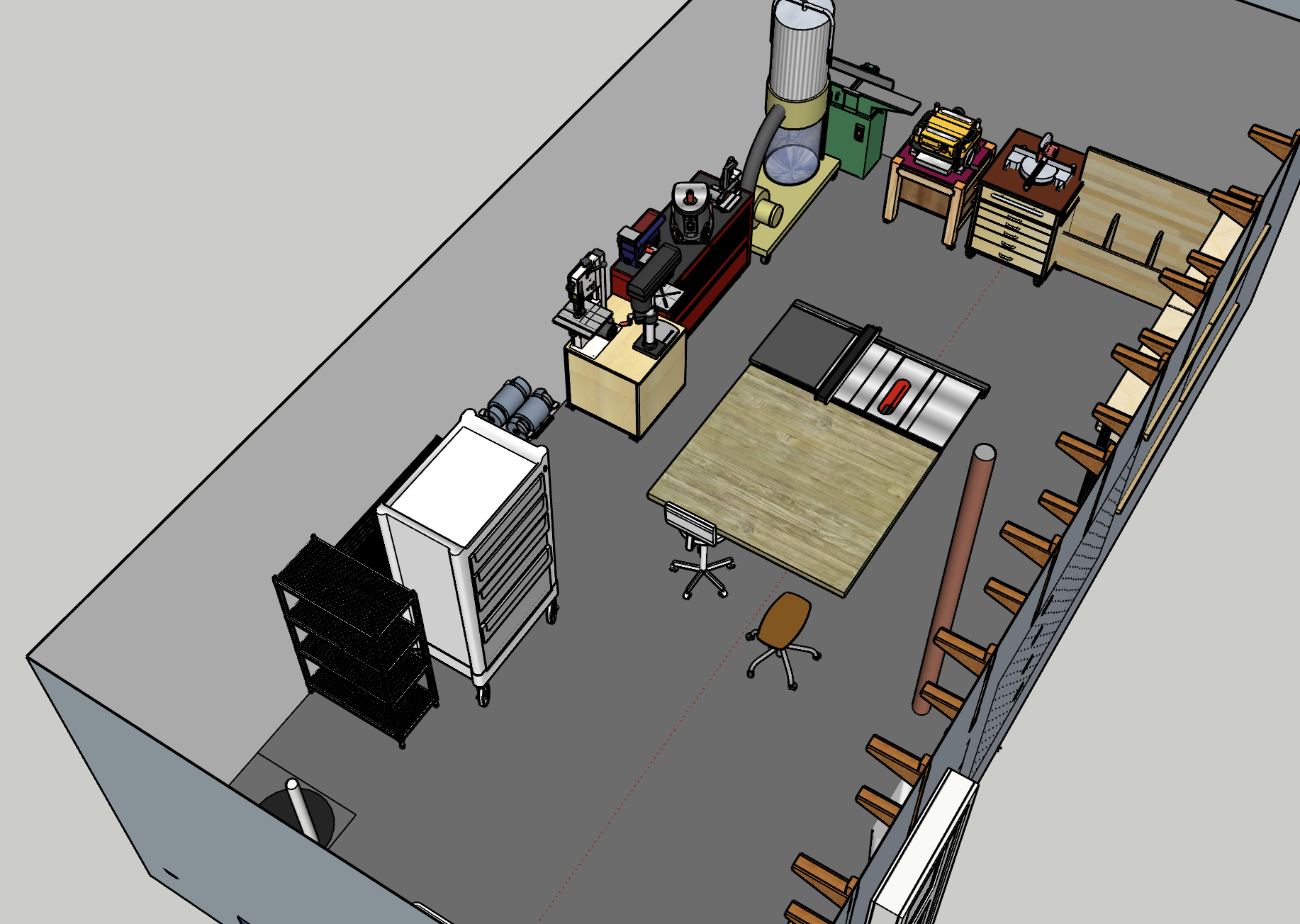
I had a general idea of the layout I was going for in the shop, but in order to get a feel for the space, I measured all of my carts and tools so I could model in SketchUp. I started with the structure, items on the main wall, and things that can’t be moved, like pipes and the shop sink.
Then I needed all of the tool and storage carts. I imported a lot of the items from SketchUp’s 3D Warehouse and scaled everything to the correct size.
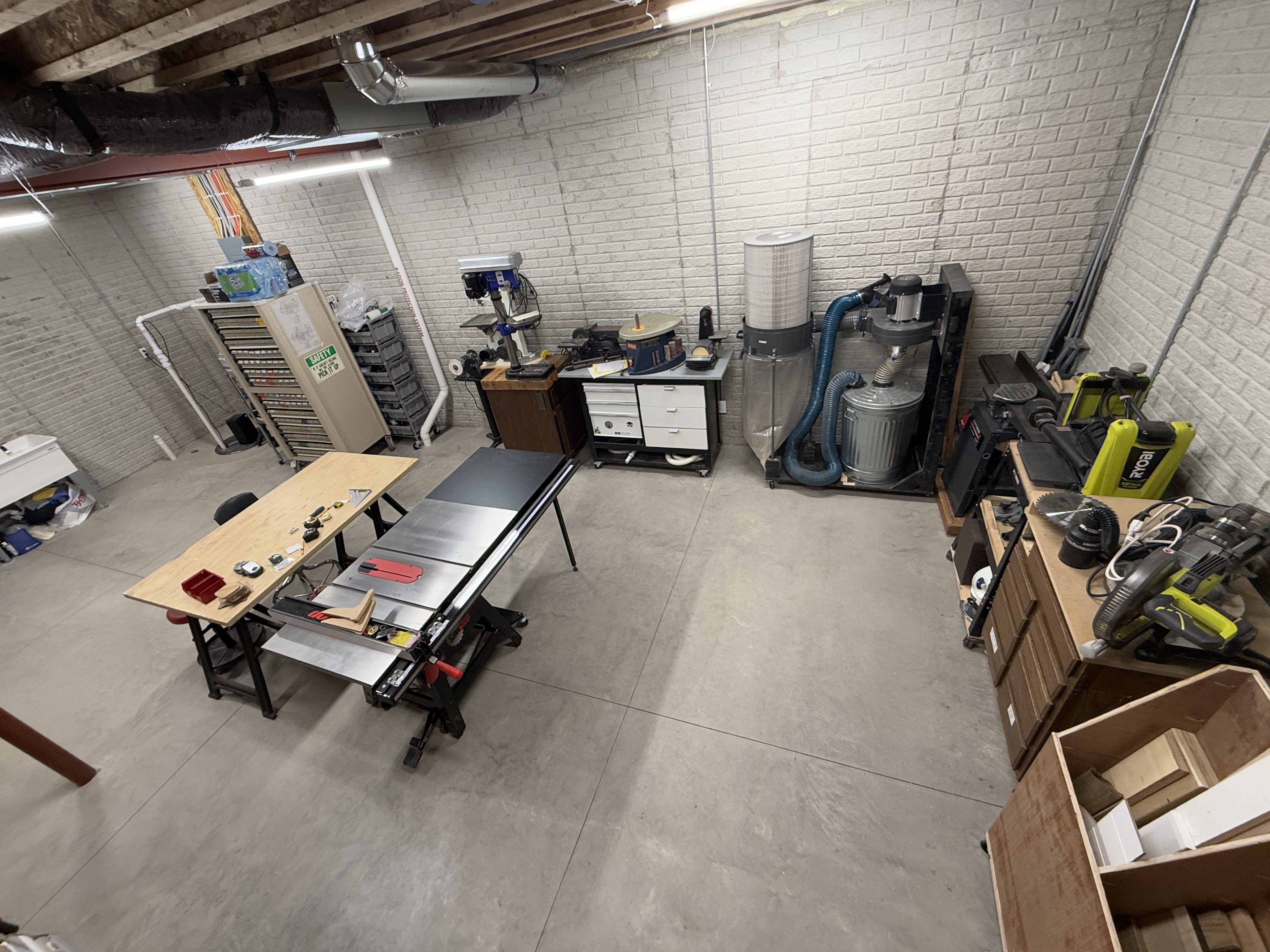
Eventually I got to a comfortable arrangement in the model and could physically put things in place. Over the course of several weeks I made a lot of adjustments. I even moved my band saw over to the drill press cart so I could repurpose it’s cart for my planer. I think I ended with a very good first iteration. Here are comparisons of the model and the actual room.
I can start making things again! One of the first builds is going to be an outfeed/assembly table for the table saw. It’ll have some neat features and storage. In the models I made a table top of about the correct size and in real life you see my old table top, which is too small and low, on saw horses.

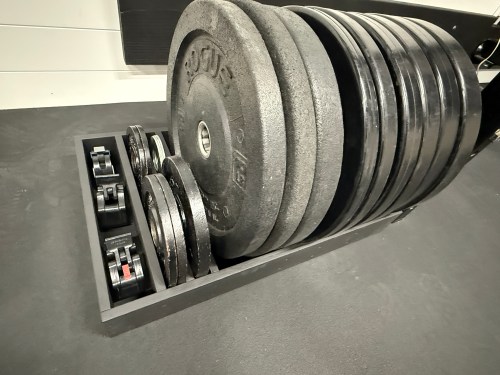
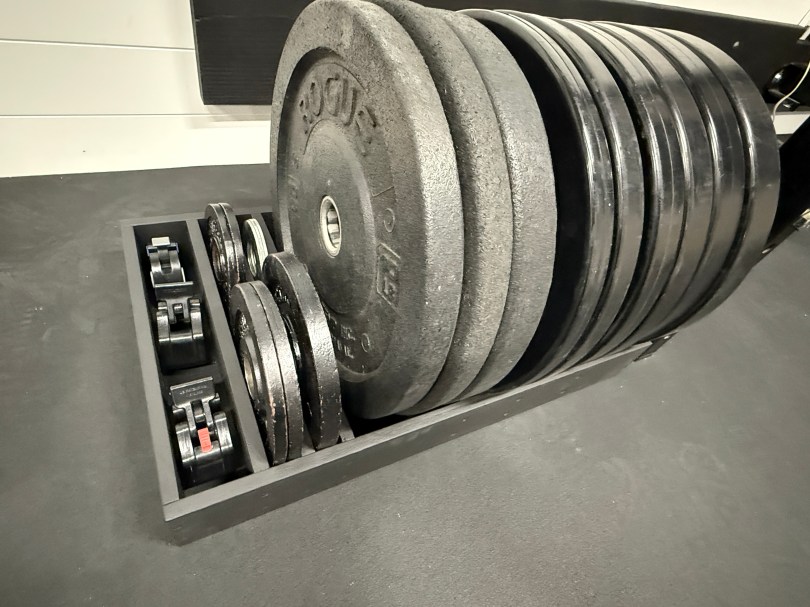
During the move, version 2 of our weight plate storage was tossed in the trash because we sold our 55 pound plates and wanted to evenly split the plates on either side of the rack in our new gym.
I took some measurements and did a little math for a general idea of how much wood I’d need.
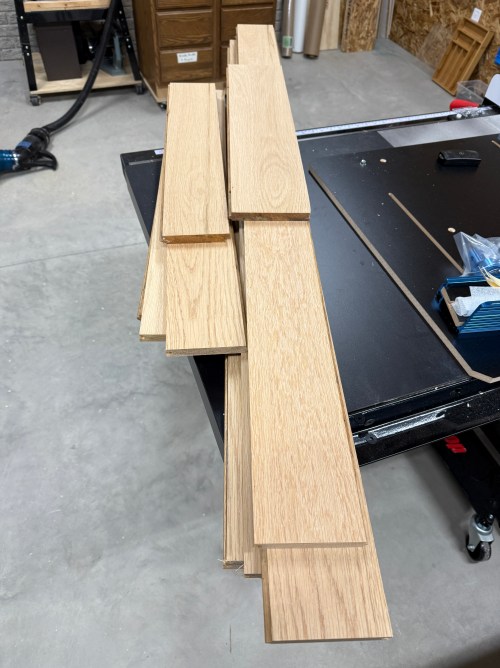
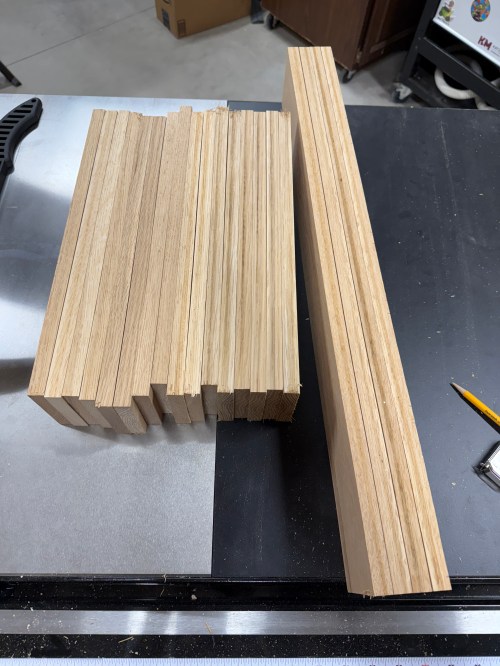
Grabbed some old oak flooring and started processing it on the miter saw, planer, and table saw.
I realized I had measured the full width of the plates, which I don’t need since the storage racks are only at the bottom. After recalculating, I cut a bunch of the dividers and did a mockup, when I realized I could add another slot to hold the barbell collars. The extra spacing on the sides of the plates ended up being less than my original guess as well.
Then I to cut everything to size, and drilled a lot of holes.
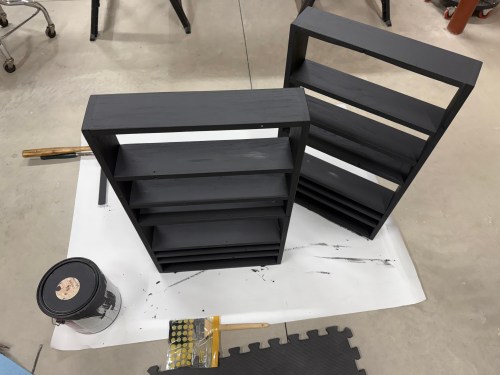
The assembly process was complicated, since I had to individually square up and attach eight dividers. Then the other side needed to have glue applied to all eight dividers before getting 16 holes to line up.
The second one is always easier and I was able to use the assembled rack as my 90° to clamp to.
More sanding and then black paint. Brushing on the paint with the oak’s grain pattern was a challenge, especially in some of the small gaps between dividers, so it took many coats.
The area looks a lot cleaner and the weights will be a lot easier to use.
Here are the final dimensions for anyone who wants to build their own:
All wood: 5/8″ thick and 3-11/16″ tall
Front and Back: 27-3/8″ long
Dividers: 15-1/4″ long
Gaps between dividers:
2×45#: 5″
2×35#: 3-7/8″
2×25#: 2-15/16″
15# + 2×10#: 5-5/8″
Metal 10#: 1-1/8″
Metal 2×5#: 1-1/4″
Collars: 2-5/8″
Everything will depend on the size of your plates though. I measured the thickness of our plates and ended up adding a half inch for the gaps, which feels good for moving the plates in and out.
At the Beloved resort in Playa Mujeres (just north of Cancun) Brandi and I went to an activity where we each made an Ojo de Dios, which is Spanish for God’s eye. We’re busy with all kinds of projects at the new house, so we’re using these as our homemade ornaments for this year.
Check out our creations from 2021, 2022, and 2023.
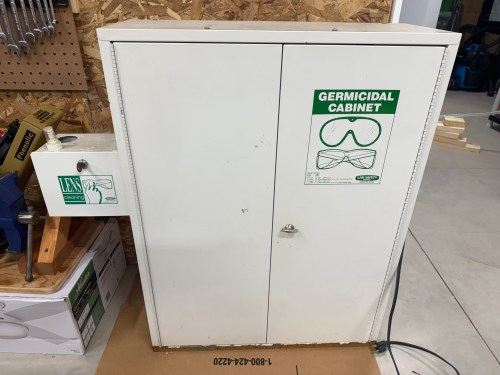
I’ve wanted some type of cabinet in my workshop for PPE and earlier this year I saw a cool cabinet that I thought might be perfect. Fast forward to the new house, the wall, and a new shop (post coming soon), so when I saw the Facebook Marketplace listing again I jumped on it.
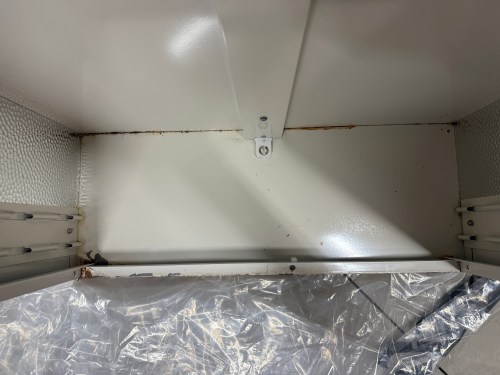
Aren’t the graphics great on those green stickers? I only paid $25 for this Sellstrom Model 2000 Germicidal Cabinet. A new one is currently 51% off on Amazon, which brings it down to $599 and replacement UV light bulbs cost over $100! This unit had some rust, like it had been sitting in a puddle, but otherwise it barely seemed used. The light bulb still works and so does the timer pictured below, which can be set to run for up to 5 minutes. You can also see the UV light bulb on inside the cabinet, through that tiny window.
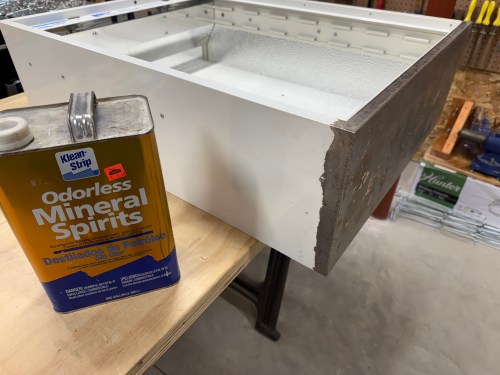
I used a razor blade to scrape as much of the rust off as I could and then used a sanding block. I cleaned the areas with mineral spirits and masked them off with painter’s tape. The bare metal got a coat of rusty metal primer.
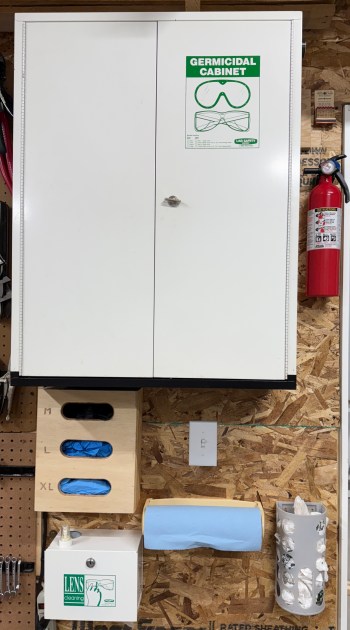
The few inside corners were painted with a non-matching white, which nobody will see. I painted the bottom exterior area with some black, which turned out great. I hung the cabinet near the door and surrounded it with my glove dispenser and other safety stuff.
When I saw Jon Sherman had written a follow up to “The Four Foundations of Golf” I immediately ordered a copy (get yours on Amazon). I try to read that book every year, so I was excited to take a deeper dive in to some of the aspects of competitive golf. While I haven’t played any tournaments in years, I’d like to get back in to it and I do complete all summer with our golf group
If you haven’t read Jon’s first book, I think you would get much more out of it first. Then absorb his second book. One of the key focuses in “Winning Golf” is how tournament/competitive golf is such a different beast than recreational, mainly due to the pressures.
Two things I’ll adapt for next year:
Set principals (or goals) related to the mental aspects of the game. Such as staying positive (or returning focus to it when thoughts drift negative) or how I’d prefer to react to different situations on the course.
After each round, review not only how I played, but also how well I did with my principals. Look for patterns in play as well as mental.
I won’t reread this book often but can see myself coming back to some sections. Check out the books and follow @practicalgolf on X/Twitter, where he shares a lot of great stuff from “The Four Foundations.”
I had a laugh when I saw “10 5/8” on the tile in my hotel shower.
As someone who just moved in to a fresh built home, I’ve been finding pencil marks all over the house left by contractors noting the location of registers on the flooring, handles on cabinets, and other things. Just last week I was crawling around the floors with an eraser.
I’m always terrible at guessing what the actual flavor is and for some reason I always think the Voo Dew flavors taste like some type of childhood candy. No different this year.
I looked back at last year’s Voo Dew post and I basically said the same thing. LOL Real original.
It’s sweet and I liked it, so I’ll give it a 7.5/10.
In April Brandi and I took a trip to Dublin, Ireland. Then I took a train up to Belfast, Northern Ireland (actually part of the United Kingdom) for an Automattic team meetup.
It’s been a busy few weeks packing and moving to the new house. Actually, it’s been a busy year! Building a 40 foot wall before being fully unpacked is a great idea, right? My dad was up for it, so of course I was. I’d never build a wall before, so framing was a fun challenge. This new project meant buying a couple of new tools, which I always love.
We’re very excited about this new gym area inside the house. No more garage gym for us, which was brutal in the Michigan summers and winters. There is still some organizing to do as we figure out how we use space. The wall isn’t actually finished yet either.
After I finish paneling this area I can get started on the other side of the wall. I picked up 1/2″ OSB for the shop’s wall material, to make it easy to screw small items in anywhere I want. You can’t beat $16 a sheet. Check out this cool storage space for sheet goods I gained by having the wall follow the floor joist.
I’m excited to get this mess of a shop organized, especially with all of my wood and large clamps at the other side of the basement for temporary storage. It’s going to be awesome.